What Is the Federal Reserve? Complete & Easy Beginner’s Guide to America’s Central Bank
What Is the Federal Reserve: Introduction
When people hear news about the economy, they often hear phrases like:
- “The Federal Reserve raised interest rates.”
- “The Fed is fighting inflation.”
- “Markets reacted to the Fed decision.”
But many beginners ask:
“What exactly is the Federal Reserve, and why does it matter?”
The Federal Reserve, commonly called the Fed, is one of the most important financial institutions in the United States.
Its decisions influence many parts of the economy, including:
- Interest rates
- Inflation
- Borrowing costs
- Stock markets
- Housing markets
- Business activity
- The value of the US dollar
For investors and businesses, understanding the Federal Reserve is important because Fed decisions can create opportunities and risks in financial markets.
The basic idea is simple:
The Federal Reserve is the central bank of the United States responsible for managing monetary policy, supporting financial stability, and helping maintain a healthy economy.
In this guide, we will explain what the Federal Reserve is, what it does, how it works, and why investors around the world pay close attention to its decisions.
What Is the Federal Reserve?
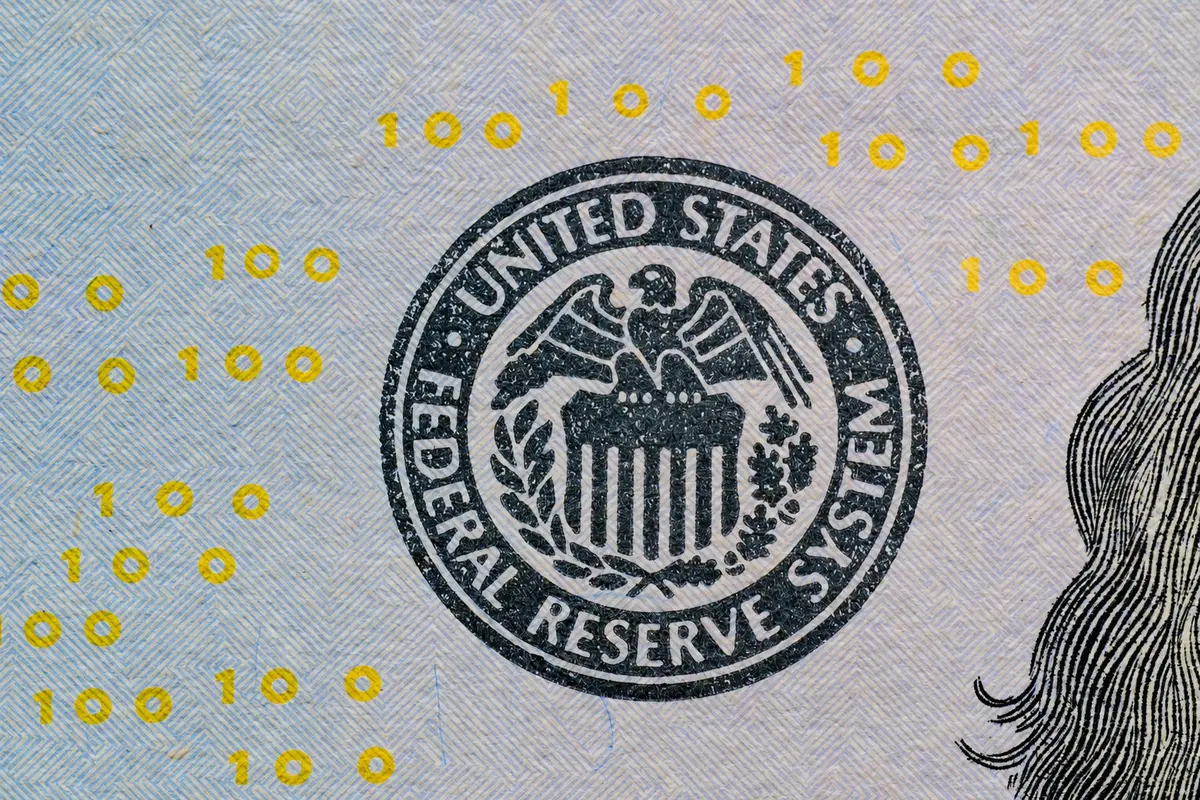
The Federal Reserve is the central bank of the United States that manages monetary policy, regulates parts of the banking system, and works to maintain economic stability.
In simple words:
The Federal Reserve controls important parts of the US financial system.
It does not run businesses or decide government spending.
Instead, it influences the economy mainly through:
- Interest rates
- Money supply
- Banking regulations
- Financial system policies
The Federal Reserve is often called “the Fed.”
Why Was the Federal Reserve Created?
Before the Federal Reserve existed, the US banking system experienced periods of financial instability.
Banks sometimes faced situations where they did not have enough liquidity during financial crises.
The Federal Reserve was created in 1913 to help create a more stable banking system.
Its purpose was to:
- Reduce financial panic
- Support banks during emergencies
- Improve economic stability
Over time, its responsibilities expanded.
What Does the Federal Reserve Do?
The Fed has several major responsibilities.
1. Controls Monetary Policy
One of the Fed’s most important roles is managing monetary policy.
Monetary policy refers to actions taken to influence:
- Interest rates
- Money supply
- Economic activity
The Fed uses monetary policy to support economic goals.
2. Manages Interest Rates
Interest rates are one of the Fed’s most powerful tools.
When the economy is weak, the Fed may lower interest rates.
Lower rates can encourage:
- Borrowing
- Business investment
- Consumer spending
When inflation becomes too high, the Fed may raise interest rates.
Higher rates can help slow spending and reduce inflation pressure.
3. Helps Control Inflation
Inflation means prices for goods and services are increasing over time.
The Federal Reserve aims to maintain price stability.
If inflation becomes too high:
The Fed may increase interest rates to slow economic activity.
If inflation is too low:
The Fed may support policies that encourage economic growth.
4. Supports Banking System Stability
The Federal Reserve supervises certain banks and helps maintain confidence in the financial system.
It works to ensure banks operate safely and responsibly.
5. Maintains Financial System Stability
During financial stress, the Fed can take actions to support the financial system.
Example:
During major financial crises, central banks may provide liquidity to prevent severe disruptions.
How Does the Federal Reserve Work?
The Federal Reserve system has several important parts.
1. Board of Governors
The Board of Governors is a central leadership group based in Washington, DC.
It helps guide Federal Reserve policies and supervises parts of the banking system.
2. Federal Reserve Banks
The Federal Reserve system includes regional banks across the United States.
These banks support financial operations and provide services to banks.
3. Federal Open Market Committee (FOMC)
The FOMC is one of the most watched parts of the Federal Reserve.
It is responsible for decisions related to monetary policy, especially interest rates.
When investors hear:
“The Fed announced a rate decision”
they are usually referring to FOMC decisions.
What Is the Federal Funds Rate?
The Federal Funds Rate is the interest rate at which banks lend money to each other overnight.
Although ordinary consumers do not directly pay this rate, it influences many other interest rates.
Examples:
- Mortgage rates
- Credit card rates
- Business loan rates
- Savings account rates
What a Federal Reserve Rate Changes Affect the Economy
When the Fed Raises Interest Rates
Higher interest rates usually make borrowing more expensive.
Possible effects:
Consumers:
- Higher loan costs
- More expensive mortgages
- Reduced spending
Businesses:
- Higher borrowing costs
- Less investment
Investors:
- Changes in stock and bond valuations
When the Fed Lowers Interest Rates
Lower rates can encourage economic activity.
Possible effects:
Consumers:
- Cheaper borrowing
- More spending
Businesses:
- More investment opportunities
Investors:
- Potential changes in asset prices
How the Federal Reserve Affects the Stock Market
Investors closely watch the Fed because interest rates influence company profits and valuations.
Example:
When interest rates rise:
- Borrowing becomes more expensive.
- Some companies may face higher costs.
- Stock valuations may be affected.
When interest rates fall:
- Businesses may find it easier to borrow.
- Economic activity may increase.
However, stock markets react to many factors, not only Fed decisions.
How the Federal Reserve Affects Bonds
Bond prices and interest rates usually have an important relationship.
Generally:
When interest rates rise:
- Existing bond prices may decline.
When interest rates fall:
- Existing bond prices may increase.
This is why bond investors closely follow Federal Reserve policy.
How the Federal Reserve Affects the Housing Market
Interest rates strongly influence mortgage costs.
When rates increase:
- Mortgage payments become more expensive.
- Some buyers may delay purchasing homes.
When rates decrease:
- Borrowing may become more affordable.
- Housing demand may increase.
Federal Reserve vs US Treasury: What Is the Difference?
Many beginners confuse the Federal Reserve with the US Treasury.
| Federal Reserve | US Treasury |
| Central bank | Government department |
| Controls monetary policy | Manages government finances |
| Influences interest rates | Handles government spending and debt |
| Independent institution | Part of the federal government |
Both are important but have different responsibilities.
What Is Quantitative Easing (QE)?
Quantitative easing is a monetary policy tool used by central banks during certain economic situations.
In simple terms:
The central bank purchases financial assets to increase liquidity in the financial system.
The goal may be to:
- Support financial markets
- Encourage lending
- Stimulate economic activity
What Is Quantitative Tightening (QT)?
Quantitative tightening is the opposite of quantitative easing.
During QT:
The Federal Reserve reduces the amount of money in the financial system by allowing certain assets to decrease.
The goal is often to:
- Reduce excess liquidity
- Manage inflation pressure
Why Do Investors Watch the Federal Reserve?
Investors pay attention to the Fed because its decisions can influence financial markets.
Important signals include:
- Interest rate decisions
- Inflation outlook
- Economic forecasts
- Policy announcements
Investors use this information when making decisions about:
- Stocks
- Bonds
- Real estate
- Other assets
Real Life Example: How the Fed Affects Everyday Life
Imagine inflation increases significantly.
Prices for:
- Food
- Gas
- Housing
- Services
rise quickly.
To slow inflation, the Federal Reserve increases interest rates.
As a result:
- Loans become more expensive.
- Businesses may reduce borrowing.
- Consumers may spend less.
Over time, these actions may help slow price increases.
This shows how decisions made by the Federal Reserve can affect every day financial life.
Common Beginner Misunderstandings About the Fed
1. The Fed Controls Everything in the Economy
The Federal Reserve influences the economy, but it does not control every economic outcome.
Many factors affect markets.
2. Higher Interest Rates Are Always Bad
Higher rates can create challenges, but they may also help control inflation.
3. The Fed Sets All Interest Rates
The Fed influences interest rates, but banks and markets also play a role.
4. Fed Decisions Only Affect Investors
Fed policies affect:
- Consumers
- Businesses
- Workers
- Home buyers
Frequently Asked Questions (FAQ)
1.What is the Federal Reserve in simple words?
The Fed is the central bank of the United States that manages monetary policy and supports financial stability.
2.Who controls the Fed?
The Fed operates independently within a government framework.
3.Why does the Fed change interest rates?
The Fed changes rates mainly to influence inflation and economic growth.
4.Does the Fed print money?
The Fed manages the nation’s money supply and currency system, while physical currency production involves other government agencies.
5.Why do stock investors care about the Fed?
Because interest rate decisions can affect company growth, borrowing costs, and market valuations.
Final Thoughts
The Fed plays a central role in the US economy.
Although many people hear about the Fed only during financial news, its decisions influence everyday life.
From mortgage rates and business loans to stock markets and inflation, Federal Reserve policies affect many financial decisions.
For investors and business owners, understanding the Fed is an important step toward understanding the economy.
The goal is not to predict every Federal Reserve decision.
The goal is to understand:
- Why decisions happen
- How markets may react
- How to make better financial choices
Economic knowledge creates a stronger foundation for investing and financial planning.
Author Note: This article is crafted by “The Economic Reader editorial team”, dedicated to analyzing the latest market trends, financial updates, and global economic shifts to keep you informed with accurate and comprehensive insights.
Disclaimer: The information provided on this website is for educational and informational purposes only and should not be construed as professional financial, investment, or legal advice. Always consult with a certified financial advisor or professional before making any financial decisions based on this content.
If you want to know, more about Federal Reserve please click here.
If you want to know, us economy new trends please click here.