What’s Next for the Federal Reserve? Interest Rate Outlook After Recent Shifts
Federal Reserve Interest Rate Outlook
The Federal Reserve has entered a new phase of its interest rate cycle.
After holding monetary policy steady for an extended period, the Federal Reserve raised its benchmark federal funds rate by 25 basis points on September 16, 2026, bringing the target range to 3.75%-4.00%. It was the first rate increase since 2023.
The decision changes the question facing markets, businesses, and households. Instead of asking only why the Fed raised rates, attention is now turning to what comes next.
Will rates rise again? Could the Fed eventually begin cutting? And what economic data will determine that decision?
There is no fixed answer yet. The Fed’s latest projections provide an indication of where policymakers currently see monetary policy going, but future decisions will depend on how inflation, employment, economic growth, and financial conditions evolve.
For anyone trying to understand the Federal Reserve interest rate outlook, the most useful approach is to focus on those underlying signals rather than treating any single forecast as a guarantee.
The Fed Has Moved Into a More Restrictive Phase
The September rate increase matters because it signals that policymakers are still concerned about inflation even though the economy has continued to expand.
In its latest statement, the Fed said economic activity was expanding at a solid pace. It also pointed to resilient domestic spending, strong productivity growth, and robust capital investment. At the same time, inflation remained elevated.
That combination gives the central bank less reason to move quickly toward lower interest rates.
Monetary policy works partly through borrowing costs and financial conditions. Higher rates can slow credit growth, discourage some investments, and reduce demand over time. If inflation remains above the Fed’s 2% objective, policymakers may therefore prefer to keep financial conditions restrictive.
This is different from the environment in which a central bank is responding to a rapidly weakening economy. Right now, the Fed is balancing inflation against an economy that has remained relatively resilient.
What the Latest Fed Projections Tell Us
The Federal Reserve’s September 2026 Summary of Economic Projections offers the clearest official indication of how policymakers currently view the path ahead.
The median projection for the federal funds rate is:
- 4.1% at the end of 2026
- 4.1% at the end of 2027
- 3.9% at the end of 2028
- 3.6% at the end of 2029
- 3.2% over the longer run
These numbers suggest that policymakers currently expect interest rates to remain relatively high rather than quickly returning to the exceptionally low levels seen earlier in the decade. (Federal Reserve)
The 2026 projection is particularly important.
With the current target range at 3.75%-4.00%, a median projection of 4.1% leaves room for another modest increase before the end of the year. But it should not be interpreted as a promise that the Fed will raise rates again.
Each policymaker’s projection reflects an assessment of the economic outlook at the time of the meeting. New data can change that assessment.
The next scheduled FOMC meetings are October 27-28 and December 8-9.
Inflation Will Remain the Main Test
The biggest factor standing between the Fed and lower interest rates is inflation.
The August 2026 Consumer Price Index increased 3.4% from a year earlier. Core CPI, which excludes food and energy, increased 2.4%. Headline CPI rose 0.4% in August, while gasoline prices increased 3.9% during the month. (Bureau of Labor Statistics)
That is still above the Federal Reserve’s 2% inflation objective.
The Fed’s preferred inflation measure also remains elevated. Its September projections put median PCE inflation at 3.7% in 2026, followed by 2.3% in 2027, 2.1% in 2028, and 2.0% in 2029. (Federal Reserve)
The distinction between slowing inflation and achieving price stability is important.
Inflation can decline without prices actually falling. For example, if prices continue increasing but at a slower rate, inflation is falling even though consumers are still paying more than they did previously.
The Fed therefore needs evidence that inflation is moving toward 2% on a sustained basis, not simply that one monthly report looks better.
If inflation remains sticky, policymakers have a reason to keep rates elevated.
The Labor Market Could Change the Equation
Inflation is only one part of the Fed’s decision-making process.
The labor market is equally important because monetary policy that remains restrictive for too long can eventually weaken hiring, household income, and consumer demand.
The August employment report showed that U.S. nonfarm payroll employment increased by 162,000, while the unemployment rate remained at 4.1%. (Bureau of Labor Statistics)
That does not mean the labor market is without risks. Employment growth can change quickly, and individual monthly reports can be volatile.
But the current data do not show an economy experiencing a sudden labor-market collapse.
The Fed’s September projections are consistent with that view. Policymakers’ median unemployment projection is 4.1% for 2026, 2027, 2028, and 2029. (Federal Reserve)
That creates an unusual policy balance.
Inflation is still too high for policymakers to comfortably declare victory, but employment is not currently weak enough to create obvious pressure for rapid rate cuts.
Why Another Rate Increase Is Still Possible
The Fed’s 4.1% median year-end projection for 2026 leaves open the possibility of another 25-basis-point increase.
But there is an important difference between a possible rate hike and a scheduled rate hike.
The Fed does not follow a predetermined path. Policymakers will receive additional inflation, employment, spending, and economic-growth data before each meeting.
If inflation falls faster than expected, the need for another increase could diminish.
If inflation remains stubbornly high or accelerates again, policymakers could decide that additional tightening is appropriate.
This is why the Fed’s projections should be viewed as a snapshot of current expectations rather than a promise about the future.
What Could Keep Interest Rates Higher for Longer?
Several developments could make the Fed cautious about cutting rates.
Persistent Inflation
If inflation remains well above 2%, policymakers may prefer to maintain restrictive monetary policy until there is stronger evidence that price pressures are easing.
Energy Prices
Energy costs can influence headline inflation and household spending. The August CPI report showed gasoline prices rising 3.9% during the month. (Bureau of Labor Statistics)
A sustained energy-price increase could complicate the inflation outlook, although temporary supply shocks do not necessarily produce a lasting change in underlying inflation.
Strong Economic Growth
The Fed’s September projections show median real GDP growth of 2.3% in 2026 and 2.4% in 2027. (Federal Reserve)
If economic activity continues expanding at a solid pace, policymakers have more room to keep rates restrictive while waiting for inflation to cool.
Strong Productivity and Investment
The Fed also highlighted strong productivity growth and robust capital investment.
That matters because an economy can sometimes grow faster without generating the same inflation pressure if productive capacity is improving.
In other words, strong growth does not automatically mean the Fed must raise rates. Policymakers have to consider why the economy is growing and whether demand is running ahead of supply.
What Could Put Rate Cuts Back on the Table?
The opposite combination could change the policy outlook.
If inflation continues moving toward 2% while employment and economic growth weaken, the case for lower interest rates could become stronger.
A combination of:
- slower job growth,
- rising unemployment,
- weaker consumer spending,
- softer business investment, and
- continued disinflation
would create a different environment for monetary policy.
The Fed’s current projections already show inflation declining substantially after 2026. Median PCE inflation falls from 3.7% in 2026 to 2.3% in 2027 and 2.1% in 2028. (Federal Reserve)
Yet the projected federal funds rate remains around 4.1% through the end of 2027.
That tells us something important: falling inflation does not automatically mean rapid rate cuts.
The Fed may want to see sustained progress before removing significant monetary restraint.
Why the Fed May Not Cut Rates Quickly Even if Inflation Falls
One of the easiest mistakes when following monetary policy is assuming that every improvement in inflation immediately leads to lower interest rates.
The Fed does not operate according to a simple formula.
Policymakers consider inflation, employment, economic activity, financial conditions, and the risks surrounding their economic projections. They also have to account for the delayed effects of previous policy decisions.
Interest rates influence mortgage borrowing, consumer credit, business financing, investment, and asset valuations. Those effects can take time to spread through the economy.
This is why the Fed may choose to wait even after inflation begins moving in the right direction.
What the Outlook Means for Borrowers
For households, the main implication is that borrowing costs may remain relatively high even if the Fed eventually stops raising rates.
The federal funds rate does not directly determine every consumer interest rate. Mortgage rates, credit-card rates, auto loans, and other borrowing costs also depend on Treasury yields, lender risk, competition, and market expectations.
Still, Federal Reserve policy strongly influences the broader financial environment.
A prolonged period of relatively high rates can therefore keep financing expensive for households.
The difference between a pause and a rate cut is particularly important.
If the Fed stops raising rates but keeps the policy rate at a restrictive level, existing borrowing costs do not automatically fall. A meaningful decline in many market-based rates generally requires changing expectations about future monetary policy and economic conditions.
That is why consumers making major borrowing decisions need to look beyond the latest FOMC headline.
What It Means for Businesses
Businesses face a similar calculation.
Higher borrowing costs can affect decisions about new factories, equipment, acquisitions, inventory, and expansion. Companies with greater dependence on credit may feel the impact more directly.
At the same time, the Fed’s latest assessment points to resilient domestic spending, strong productivity, and robust capital investment.
That means higher interest rates have not stopped businesses from investing.
Instead, companies may become more selective about which projects generate sufficient returns to justify higher financing costs.
This is one reason monetary policy matters beyond Wall Street. Interest rates influence where capital flows and which business projects make economic sense.
For companies considering expansion into international markets, the relationship between interest rates, exchange rates, and demand can also matter. Understanding how businesses expand globally provides useful context for this connection.
What It Means for Investors
Investors will likely focus less on the question of whether the Fed raises rates at one particular meeting and more on the broader path of policy.
Three areas deserve particular attention:
Inflation: Is price growth moving consistently toward 2%?
Employment: Is the labor market remaining resilient or beginning to weaken?
Growth: Can the economy continue expanding while monetary policy remains restrictive?
Financial markets often react before the Fed actually changes rates because investors price in expectations about future policy.
For example, Treasury yields can move when investors become more or less confident about future rate cuts, even before the Fed changes the federal funds rate.
This means the market response to a Fed announcement is not always a simple reaction to the latest rate decision.
How Long Could Rates Stay Elevated?
The most important question for the next phase of the cycle may be how long restrictive monetary policy remains necessary.
The September projections show the median federal funds rate at 4.1% at the end of both 2026 and 2027, followed by 3.9% in 2028 and 3.6% in 2029. (Federal Reserve)
That is a relatively gradual path.
It suggests that policymakers currently expect inflation to decline over time without assuming that interest rates need to fall rapidly.
However, these projections are not fixed commitments. The Fed’s own materials emphasize the uncertainty surrounding economic forecasts, and the range of possible outcomes is wide. (Federal Reserve)
That uncertainty is especially important when inflation, energy prices, employment, and financial conditions can change faster than long-term forecasts anticipate.
What to Watch Before the Next Fed Decision
The period between FOMC meetings will provide new information about whether the current outlook is holding.
The most important indicators include:
- monthly inflation reports;
- core inflation;
- employment growth;
- unemployment;
- wage growth;
- consumer spending;
- business investment;
- GDP growth;
- energy prices;
- financial-market conditions; and
- inflation expectations.
The September employment report and September CPI report will arrive before the October 27-28 FOMC meeting, giving policymakers additional information before their next decision.
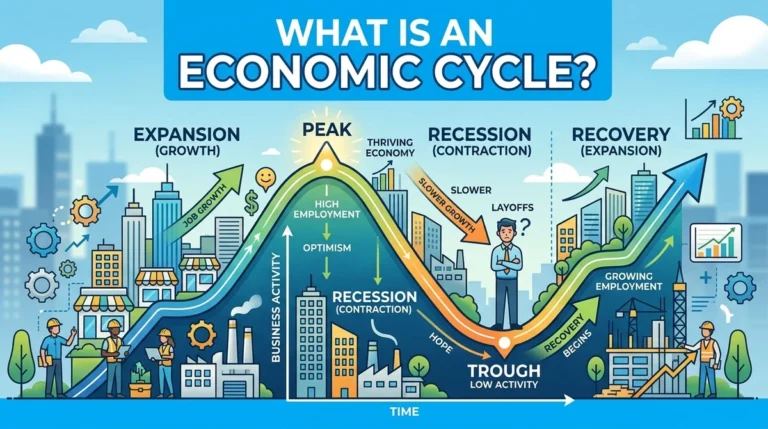
For readers following historical Fed decisions, this is also a useful reminder that the central bank’s policy path often changes as economic conditions change. A single rate decision makes more sense when viewed within the broader cycle.
The Fed’s Next Move Will Depend on the Data
The September 2026 rate increase marks an important shift in the Federal Reserve’s recent policy path, but it does not provide a fixed roadmap for the months ahead.
The central bank is balancing three realities: inflation remains above target, the labor market is relatively stable, and economic activity continues to expand.
Its latest projections suggest that interest rates could remain elevated through 2027, followed by a gradual decline. But that path can change if the economic data change.
For households, businesses, and investors, the most useful question is therefore not simply whether the Fed will raise or cut rates at its next meeting.
The more important question is whether inflation, employment, and economic growth are moving in a direction that makes tighter or easier monetary policy appropriate.
That is what will ultimately shape the next stage of the U.S. interest-rate cycle.