
Crypto Market Weekly Update: September 28-October 2, 2026

Crypto Market Weekly Update: Sep 28-Oct 2, 2026
The crypto market finished September 28-October 2 on firmer ground, with Bitcoin moving back above $86,000 and Ethereum also gaining as investors responded to softer U.S. inflation data and continued institutional demand.
Bitcoin briefly reached about $86,850 on October 2, extending its gains into a third consecutive week. Ethereum traded around $2,735, while U.S. spot crypto ETFs continued to attract capital.
The week’s recovery was not driven by one event. Crypto prices were influenced by three connected forces: ETF demand, U.S. monetary-policy expectations, and the broader appetite for risk.
Bitcoin Recovered as Rate Expectations Eased
Bitcoin started the week below $85,000 as elevated Treasury yields continued to weigh on risk-sensitive assets.
The tone changed as U.S. economic data gave investors more reason to expect less pressure from the Federal Reserve. Bitcoin climbed above $85,000 and reached roughly $86,800 on October 2.
That move is important because Bitcoin remains highly sensitive to changes in financial conditions. When bond yields rise and investors expect tighter monetary policy, speculative assets can face stronger selling pressure. When those expectations ease, capital can move back toward assets such as cryptocurrencies.
The relationship is not mechanical, but interest rates remain an important part of the crypto market’s macro backdrop. Economic Reader’s How Interest Rates Affect the Economy explains the broader transmission from monetary policy to financial markets.
ETF Demand Remained a Major Source of Support
Institutional flows provided one of the clearest signs of continued demand.
U.S. spot Bitcoin ETFs recorded approximately $2.65 billion in net inflows during September, making it their second-largest monthly inflow since October 2025. Spot Ether ETFs also attracted about $832.43 million during the month.
The numbers were lower than August’s Bitcoin ETF inflows of $3.52 billion, but they still represented substantial demand.
That matters because ETFs have changed how traditional investors can gain exposure to Bitcoin. Investors no longer need to rely entirely on crypto exchanges or direct wallet ownership to participate in the market.
ETF flows also provide a useful signal about institutional positioning. Strong inflows do not guarantee higher prices, but persistent demand can provide an important source of buying pressure when other parts of the market are less active.
Ethereum Joined the Recovery
Ethereum also benefited from the improvement in broader crypto sentiment.
Ether was trading around $2,735 on October 2, while September’s spot Ether ETF inflows reached approximately $832.43 million.
The difference between Bitcoin and Ethereum is becoming increasingly relevant as institutional investors gain more ways to access both assets.
Bitcoin continues to attract the larger share of institutional capital, while Ethereum’s investment case also depends on activity across its blockchain ecosystem, staking, decentralized applications, and demand for ETH-based financial products.
That means price movements in the two assets can overlap during broad market rallies without being driven by exactly the same factors.
Softer Inflation Helped Crypto Sentiment
U.S. inflation data gave markets another reason to reassess the interest-rate outlook.
According to the U.S. Bureau of Economic Analysis, the August Personal Consumption Expenditures price index increased 3.4% from a year earlier, while core PCE inflation rose 3.0%. The monthly PCE price index increased 0.3%, while core PCE increased 0.2%.
The data was still above the Federal Reserve’s 2% inflation objective, so it did not remove inflation risk.
But the inflation report helped markets reassess the probability of additional monetary tightening. Bitcoin strengthened as investors focused on the possibility of less restrictive financial conditions.
For crypto investors, the important link is the financial-conditions channel:
Inflation data → Fed expectations → Treasury yields → risk appetite → crypto prices
That chain helps explain why an economic report about consumer prices can move Bitcoin within hours.
The Fed Remains Central to the Crypto Market
The Federal Reserve’s policy path continues to influence digital assets even when there is no direct connection between monetary policy and blockchain activity.
The September employment report added another layer to the debate. According to the U.S. Bureau of Labor Statistics, nonfarm payroll employment increased by only 29,000 in September, while the unemployment rate was 4.2%. BLS also revised July and August employment lower, leaving combined employment for those two months 60,000 below previously reported levels.
For Bitcoin, the implication is straightforward: weaker economic data can sometimes support prices if investors interpret it as reducing the need for tighter monetary policy.
But that relationship has a limit.
If economic weakness becomes severe, investors may become more concerned about recession risks and financial stress. In that situation, weaker economic data would not necessarily be positive for crypto.
The Federal Reserve’s policy history provides useful context for how financial markets have reacted to major changes in monetary conditions. Economic Reader’s Historical Fed Decisions explores those episodes in more detail.
Institutional Demand Is Changing the Market
One of the clearest differences between today’s crypto market and earlier cycles is the role of institutional capital.
ETF flows now provide a measurable channel for large investors to gain exposure to Bitcoin and Ethereum. Corporate treasury strategies have also become part of the market structure.
Strategy, for example, continued adding Bitcoin to its corporate holdings during the period, reinforcing the broader trend of companies using Bitcoin as part of their treasury strategy.
This does not eliminate crypto’s volatility. It changes where some of the demand comes from.
Retail investors remain important, but institutional flows can increasingly influence liquidity, sentiment, and price discovery.
That makes ETF flow data worth watching alongside exchange activity and other market indicators.
What Could Disrupt the Recovery?
The crypto market still faces several sources of pressure.
Treasury yields: A renewed rise in long-term yields could reduce demand for higher-risk assets.
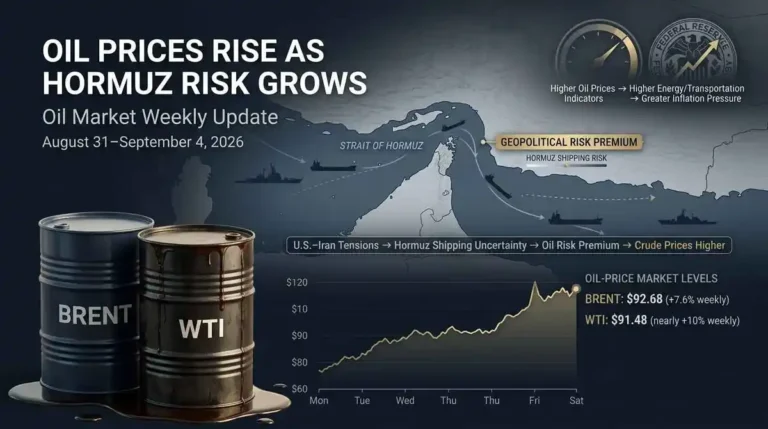
Oil prices: Higher energy prices could keep inflation elevated and make it harder for the Fed to ease policy. Reuters reported that rising oil prices and bond yields remained important variables for global markets during the week.
ETF flows: A sustained reversal in Bitcoin or Ethereum ETF inflows would weaken one of the market’s clearest current demand signals.
Economic growth: A gradual cooling of the economy could support expectations for easier monetary policy. A much sharper slowdown could instead increase risk aversion.
Regulation: Changes affecting stablecoins, exchanges, ETFs, and institutional crypto activity remain important for the industry’s long-term structure.
Why the Institutional Story Matters More Now
The biggest change in this week’s market was not simply Bitcoin moving back above $86,000.
It was the continued presence of institutional demand while macroeconomic conditions became slightly more supportive.
September’s $2.65 billion Bitcoin ETF inflow shows that large-scale investment demand remained active even after a volatile period for risk assets. Ethereum also attracted hundreds of millions of dollars through spot ETFs.
That creates a different market structure from earlier crypto cycles, when price movements were driven much more heavily by retail speculation and crypto-native trading activity.
The institutional channel does not make Bitcoin or Ethereum less volatile. It does, however, give investors another way to understand where demand is coming from.
What to Watch in the Week Ahead
Bitcoin ETF flows: Continued inflows would show whether September’s institutional demand carried into October.
Ethereum ETF flows: The direction of ETH investment products will indicate whether institutional interest is broadening beyond Bitcoin.
Treasury yields: Crypto remains sensitive to changes in the U.S. bond market and expectations for monetary policy.
Inflation data: The next inflation reports will help determine whether the recent improvement in rate expectations can continue. The BEA’s next PCE release is scheduled for October 29.
Federal Reserve communication: Any change in policymakers’ views on inflation, employment, or future rates could quickly affect crypto sentiment.
Bitcoin’s $85,000-$86,000 area: The market’s ability to hold the recent recovery zone will be an important indicator of whether the latest move is attracting additional buyers.
The Bottom Line
The crypto market entered October with stronger momentum, but the recovery still depends heavily on conditions outside the crypto ecosystem.
Bitcoin’s move above $86,000, continued ETF inflows, and softer inflation data all provided support this week. At the same time, high Treasury yields and elevated energy prices remain potential obstacles.
The market is becoming increasingly connected to traditional financial channels. ETF flows, interest-rate expectations, bond yields, and institutional positioning now sit alongside crypto-specific factors such as network activity, regulation, and exchange liquidity.
That combination makes the next phase of the crypto market less about Bitcoin moving on its own and more about how digital assets respond to the wider financial environment.