
How to Build Wealth in Your 30s: A Practical Step-by-Step Guide

How to Build Wealth in Your 30s: Introduction
Learning how to build wealth in your 30s is not about becoming rich overnight. It is about making smart financial decisions consistently and creating a strong foundation for your future.
Your 30s can be one of the most important decades for your financial life. By this stage, many people have higher incomes than they had in their 20s, but they also face bigger responsibilities such as mortgages, family expenses, and long-term financial goals.
The best way to build wealth in your 30s is to focus on five key areas:
- Increase your income
- Control your expenses
- Eliminate high-interest debt
- Invest consistently
- Create long-term financial plans
Small financial decisions made today can create significant results over the next 20 or 30 years because of the power of compound growth.
For example, investing $500 per month consistently for decades can potentially grow into a substantial portfolio because your money earns returns, and those returns can generate additional growth.
Building wealth is not about how much money you make. It is about how much money you keep, invest, and allow to grow.
Key Takeaways
- Your 30s are a powerful time to build long-term wealth.
- Focus on increasing income while controlling unnecessary spending.
- Pay off high-interest debt before aggressively investing.
- Start investing early to benefit from compound growth.
- Build emergency savings to protect your financial future.
- Create financial goals and review your progress regularly.
Why Your 30s Are Important for Building Wealth
Your 30s are often called a “wealth-building decade” because you still have many years before retirement while potentially earning more than ever before.
The biggest advantage you have during this period is time.
Time allows your investments to benefit from compound growth.
The Power of Compound Growth
Compound growth means your investment returns can generate additional returns over time.
For example:
Imagine two people:
Person A
- Starts investing at age 30
- Invests consistently for 30 years
Person B
- Waits until age 40
- Invests the same amount
Even if both invest the same monthly amount, Person A usually has an advantage because their money has more time to grow.
This is why starting earlier is often more important than waiting until you have “perfect” financial conditions.
Step 1: Understand Your Current Financial Situation
Before building wealth, you need to know where you currently stand.
Many people avoid looking at their finances because they feel overwhelmed. However, understanding your money situation is the first step toward improving it.
Start by reviewing:
Your Income
Calculate your total monthly income, including:
- Salary
- Business income
- Freelance income
- Investment income
- Other sources
Knowing your income helps you understand how much money you can allocate toward saving and investing.
Your Expenses
Track where your money goes each month.
Common expenses include:
- Housing
- Food
- Transportation
- Insurance
- Entertainment
- Subscriptions
- Shopping
A simple expense review can reveal opportunities to save more.
For example:
If you spend $100 per month on unused subscriptions, reducing those expenses could give you an extra $1,200 per year to invest.
Step 2: Set Clear Financial Goals
Successful wealth building requires clear goals.
Without goals, it is easy to spend money without creating a financial future.
Your goals may include:
Short-Term Goals
(Within 1-3 years)
Examples:
- Building an emergency fund
- Paying off credit card debt
- Saving for a major purchase
Medium-Term Goals
(3-10 years)
Examples:
- Buying a home
- Growing your investment portfolio
- Starting a business
Long-Term Goals
(10+ years)
Examples:
- Financial independence
- Retirement planning
- Creating generational wealth
A clear goal gives your money a purpose.
Step 3: Build a Strong Emergency Fund
One of the most important steps in building wealth is protecting yourself from unexpected financial problems.
An emergency fund is money set aside specifically for unexpected situations, such as:
- Losing your job
- Medical expenses
- Emergency repairs
- Unexpected family expenses
Without emergency savings, many people are forced to use credit cards or loans when problems happen. This can slow down wealth building.
How Much Should You Save?
A common recommendation is to save:
3-6 months of essential expenses
For example:
If your monthly essential expenses are $2,000:
Minimum emergency fund: $6,000
Strong emergency fund: $12,000
The right amount depends on your personal situation, income stability, and responsibilities.
Where Should You Keep an Emergency Fund?
Your emergency money should be:
- Easy to access
- Safe
- Separate from daily spending money
Many people keep emergency savings in a high-yield savings account where the money can earn interest while remaining available.
Step 4: Eliminate High-Interest Debt
Debt can become one of the biggest obstacles to building wealth.
Not all debt is the same.
Some debt can help you build assets, such as a reasonable mortgage or business loan. However, high-interest debt can damage your financial progress.
Examples of expensive debt:
- Credit card balances
- Payday loans
- High-interest personal loans
Why High-Interest Debt Is Dangerous
Imagine you have a credit card balance charging 25% interest.
If your investments earn 8–10% annually, but your debt costs 25%, paying off that debt may be the better financial decision.
Debt Payoff Strategies
Debt Snowball Method
This strategy focuses on paying off the smallest debts first.
Benefits:
- Creates motivation
- Gives quick wins
- Helps build confidence
Debt Avalanche Method
This strategy focuses on paying the highest-interest debt first.
Benefits:
- Saves more money on interest
- Often faster mathematically
Choose the method that helps you stay consistent.
Step 5: Increase Your Income
Saving money is important, but increasing your income can dramatically accelerate wealth building.
There is a limit to how much you can cut expenses, but your income potential can continue growing.
Ways to Increase Income in Your 30s
Improve Your Skills
Invest in skills that increase your earning ability.
Examples:
- Technology skills
- Sales skills
- Management skills
- Communication skills
- Financial knowledge
A valuable skill can increase your income for many years.
Ask for Career Growth Opportunities
Consider:
- Taking leadership responsibilities
- Negotiating your salary
- Moving into higher-paying roles
Many people focus only on saving but ignore income growth.
Build Additional Income Sources
A single income source can create financial risk.
Additional income streams may include:
- Consulting
- Freelancing
- Digital products
- Investments
- Rental income
The goal is not to become busy with many projects. The goal is to create more financial stability.
Step 6: Start Investing for Long-Term Growth
Saving money alone may not be enough to build significant wealth.
Investing allows your money to grow over time.
Common Investment Options
1.Stock Market Investing
Many long-term investors choose diversified stock market investments because businesses can grow over time.
Common approaches include:
- Index funds
- Exchange-traded funds (ETFs)
- Individual stocks
2.Retirement Accounts
For many people in the United States, retirement accounts can provide tax advantages.
Examples include:
- Traditional IRA
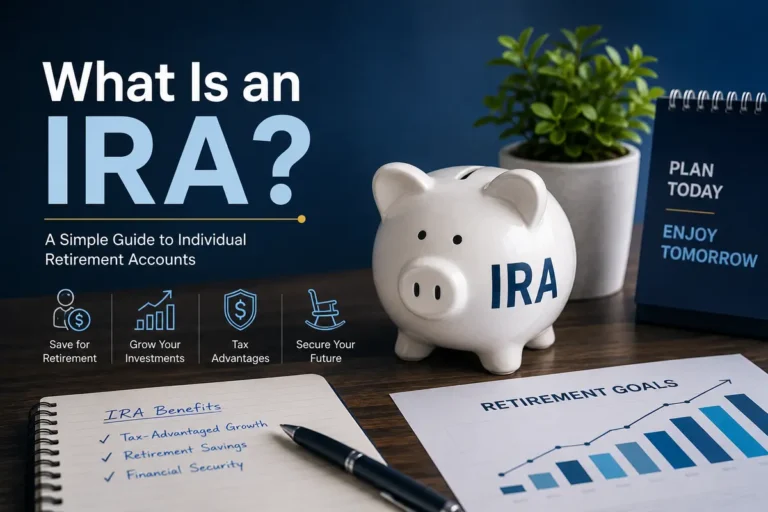
These accounts can help investors build wealth for retirement.
3.Real Estate
Real estate can be another wealth-building tool.
Possible benefits:
- Property appreciation
- Rental income
- Asset ownership
However, real estate requires careful research because costs, maintenance, and market conditions matter.
The Importance of Dollar-Cost Averaging
Dollar-cost averaging means investing a fixed amount regularly regardless of market conditions.
Example:
Instead of investing $12,000 at once, an investor might invest:
$1,000 every month for 12 months
Benefits:
- Builds discipline
- Reduces emotional investing decisions
- Helps investors stay consistent
Long-term consistency is often more important than trying to predict short-term market movements.
Step 7: Create Multiple Income Streams
Many financially successful people do not depend on only one source of income.
Multiple income streams can provide:
- More financial security
- More investment opportunities
- Greater flexibility
Examples:
Active Income
Money earned from work or business activities.
Examples:
- Salary
- Business profits
- Freelance work
Passive Income
Money generated with less ongoing effort.
Examples:
- Rental income
- Digital products
Building multiple income sources takes time, but it can create stronger financial independence.
Step 8: Protect Your Wealth
Building wealth is only one part of financial success.
Protecting what you build is equally important.
Important protection strategies include:
Have Proper Insurance
Insurance can protect against major financial losses.
Common types include:
- Disability insurance
- Property insurance
Avoid Lifestyle Inflation
Lifestyle inflation happens when people increase spending every time their income increases.
Example:
Someone receives a $10,000 raise and immediately upgrades:
- Car
- House
- Luxury spending
Instead, consider directing part of every income increase toward:
- Investments
- Savings
- Debt reduction
Common Wealth-Building Mistakes to Avoid
1. Waiting Too Long to Invest
Many people wait for the “perfect time.”
The problem is that time is one of the biggest advantages in investing.
2. Trying to Get Rich Quickly
Strategies promising overnight wealth often involve high risks.
Sustainable wealth usually comes from:
- Good habits
- Patience
- Consistency
3. Ignoring Retirement Planning
Retirement may feel far away in your 30s, but early planning can make a significant difference.
4. Spending More Than You Earn
High income does not automatically create wealth.
Your financial progress depends on:
Income – Expenses = Money Available for Wealth Building
A Simple Wealth-Building Plan for Your 30s
Here is a practical roadmap:
First 30 Days
- Review your income and expenses
- Create a realistic budget
- Start emergency savings
- Identify expensive debt
Next 6 Months
- Build emergency fund
- Pay down high-interest debt
- Increase savings rate
- Start investing consistently
Next 5 Years
- Grow your investment portfolio
- Increase your income
- Build additional income streams
- Protect your assets
Frequently Asked Questions (FAQ)
1. Is my 30s too late to start building wealth?
No. Your 30s are still an excellent time to build wealth. The key is creating strong financial habits and investing consistently.
2. How much money should I save in my 30s?
There is no single amount that works for everyone. A common goal is saving and investing a percentage of your income while maintaining a healthy emergency fund.
3. Should I invest or pay off debt first?
It depends on the type of debt. High-interest debt usually deserves priority, while lower-interest debt may be managed alongside investing.
4. What is the best investment strategy in your 30s?
Many long-term investors focus on diversified investments, consistent contributions, and avoiding emotional decisions.
5. How can I build wealth with a low income?
Start with small steps:
- Reduce unnecessary expenses
- Increase skills
- Save consistently
- Invest what you can
Small actions repeated over time can create meaningful results.
Final Thoughts
Building wealth in your 30s is a long-term process, not a quick financial trick.
The most successful wealth builders focus on simple principles:
- Spend wisely
- Save consistently
- Invest patiently
- Increase income
- Protect assets
Your financial future is shaped by the decisions you make today. By creating strong money habits in your 30s, you can build a stronger foundation for financial independence and long-term success.
Author Note: This article is crafted by “The Economic Reader editorial team”, dedicated to analyzing the latest market trends, financial updates, and global economic shifts to keep you informed with accurate and comprehensive insights.
Disclaimer: The information provided on this website is for educational and informational purposes only and should not be construed as professional financial, investment, or legal advice. Always consult with a certified financial advisor or professional before making any financial decisions based on this content.