
What Is an IRA? A Beginner’s Guide to Individual Retirement Accounts

What Is an IRA: Introduction
Planning for retirement is one of the most important financial decisions people can make.
Many people spend decades working, earning money, and building their careers. But without a proper retirement strategy, maintaining the same lifestyle after leaving work can become challenging.
This is why retirement accounts are important.
In the United States, one of the most popular retirement savings tools is an IRA (Individual Retirement Account).
An IRA allows individuals to save and invest money for retirement while receiving certain tax advantages depending on the type of account.
Unlike a normal investment account, an IRA is designed specifically for long-term retirement planning.
Many beginners hear terms like Traditional IRA, Roth IRA, and contribution limits and assume IRAs are complicated.
However, the basic idea is simple:
An IRA is an account that helps you invest money today so you can build financial security for your future.
In this guide, we will explain what an IRA is, how it works, different types of IRAs, benefits, risks, and how beginners can understand this important retirement tool.
What Is an IRA?
An IRA (Individual Retirement Account) is a tax-advantaged investment account that allows individuals to save and invest money for retirement.
In simple words:
An IRA is a special account where you can put money aside for retirement and invest it in assets such as stocks, bonds, ETFs, and mutual funds.
The purpose of an IRA is to help your money grow over many years so you can use it during retirement.
Unlike a regular savings account, an IRA is not just for storing cash.
The money inside an IRA can usually be invested.
How Does an IRA Work?
An IRA works through three basic steps.
Step 1: Open an IRA Account
Individuals can open an IRA through many financial institutions, including:
- Brokerage companies
- Banks
- Investment platforms
The account belongs to the individual, not an employer.
Step 2: Contribute Money
The investor adds money to the IRA according to the rules and limits set by the government.
Contributions can come from personal income.
The goal is to consistently save and invest over time.
Step 3: Invest the Money
Money inside an IRA can often be invested in different assets.
Examples:
- Stocks
- Bonds
- ETFs
- Mutual funds
- REITs
The investments have the opportunity to grow over many years.
Why Do People Use IRAs?
1. Retirement Savings
The main purpose of an IRA is to help people build money for retirement.
Instead of depending only on employment income, individuals can create their own retirement investment plan.
2. Tax Advantages
One of the biggest benefits of an IRA is possible tax advantages.
Different IRA types have different tax treatments.
Some may provide tax benefits when contributing.
Others may provide benefits when withdrawing money during retirement.
Understanding these differences is important.
3. Investment Flexibility
Unlike some employer retirement plans, IRAs often give investors more control over their investment choices.
Investors can choose from a wide range of assets depending on their goals.
Types of IRAs
There are several types of IRAs, but the most common ones are:
- Traditional IRA
- Roth IRA
- SEP IRA
- SIMPLE IRA
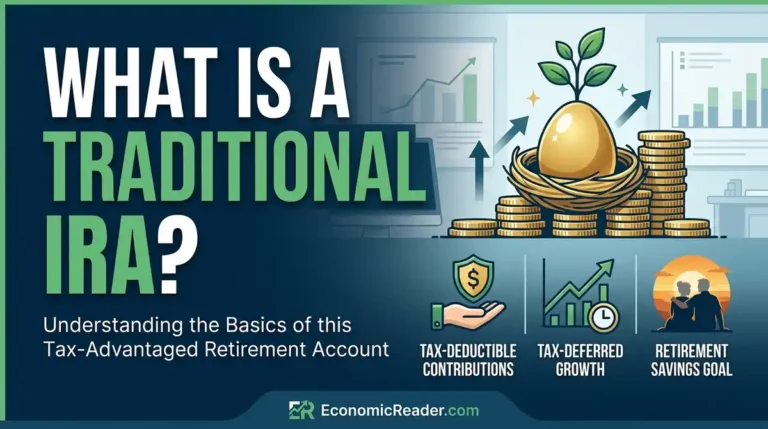
A Traditional IRA allows individuals to contribute money that may provide tax advantages depending on eligibility.
The money inside the account can grow through investments.
During retirement, withdrawals are generally taxed as income.
Example:
John contributes money to a Traditional IRA during his working years.
His investments grow for decades.
After retirement, he withdraws money from the account according to the rules.
2. Roth IRA
A Roth IRA works differently from a Traditional IRA.
With a Roth IRA:
- Contributions are made with after-tax money.
- Qualified withdrawals in retirement may be tax-free.
This can be attractive for people who expect their future tax situation to be different.
Example:
Sarah pays taxes on her income today and contributes money to a Roth IRA.
If she follows the rules, her retirement withdrawals may receive tax advantages.
3. SEP IRA
A SEP IRA is designed mainly for:
- Self-employed individuals
- Small business owners
- Freelancers
It allows eligible business owners to save for retirement through a simplified retirement plan.
4. SIMPLE IRA
A SIMPLE IRA is another retirement option often used by small businesses.
It allows employees and employers to contribute toward retirement savings.
Traditional IRA vs Roth IRA
| Traditional IRA | Roth IRA |
| Contributions may have tax benefits. | Contributions are made after taxes. |
| Withdrawals are generally taxed. | Qualified withdrawals may be tax-free. |
| Useful for some current tax situations | Useful for some future tax situations |
The better choice depends on individual circumstances.
IRA vs 401(k): What Is the Difference?
| IRA | 401(k) |
| Opened by individuals | Usually offered by employers. |
| More investment flexibility | Employer plan structure |
| Available without employer | Requires employer participation |
| Contribution rules differ | Often includes employer matching. |
Many people use both types of accounts together.
What Can You Invest in Through an IRA?
An IRA is an account, not an investment itself.
The money inside the IRA can be invested in different assets.
Common options include:
Stocks allow investors to own shares of companies.
They may provide long-term growth opportunities.
Bonds can provide income and portfolio stability.
They are often used to balance risk.
ETFs allow investors to own a collection of investments through one fund.
Many retirement investors use ETFs because they provide diversification.
Mutual funds combine money from many investors to purchase different assets.
Some investors use REITs inside retirement accounts to gain exposure to real estate.
Benefits of an IRA
1. Helps Build Retirement Wealth
An IRA encourages long-term saving and investing.
2. Tax Advantages
Depending on the IRA type, investors may receive valuable tax benefits.
3. Investment Control
IRAs often provide more investment choices compared with some workplace plans.
4. Compound Growth Opportunity
The longer money remains invested, the more opportunity it has to grow.
IRA Contribution Rules Explained Simply
IRA rules can change over time, including:
- Annual contribution limits
- Income restrictions
- Withdrawal rules
Because these rules may change, investors should always check current IRS guidelines or consult a qualified financial professional.
For beginners, the important idea is:
An IRA rewards consistent long-term investing rather than short-term decisions.
Common IRA Mistakes Beginners Make
1. Opening an IRA but Not Investing the Money
Some people open an IRA but leave the money sitting as cash.
An IRA itself does not create growth.
The investments inside the account determine potential returns.
2. Ignoring Fees
Small fees can reduce long-term investment growth.
Always understand:
- Account fees
- Fund expenses
- Trading costs
3. Choosing Investments Without Research
Investors should understand what they own.
Do not invest only because something is popular.
4. Withdrawing Money Too Early
Retirement accounts are designed for long-term goals.
Early withdrawals may result in taxes or penalties depending on circumstances.
How to Open an IRA Step-by-Step
Step 1: Decide Your Goal
Ask:
- When do I want to retire?
- How much risk can I accept?
- What type of retirement lifestyle do I want?
Step 2: Choose an Account Provider
Compare:
- Fees
- Investment options
- Platform features
Step 3: Select Investments
Choose investments that match:
- Age
- Goals
- Risk tolerance
Step 4: Contribute Regularly
Consistency is one of the most important habits in retirement investing.
Real-Life Example of Using an IRA
Imagine Mike starts investing $200 every month into a Roth IRA at age 25.
He invests the money into diversified investments.
Over many years:
- His contributions continue growing.
- His investments have time to compound.
- He builds retirement savings gradually.
The important factor is not only the amount invested.
It is the combination of time, consistency, and smart investing.
Frequently Asked Questions (FAQ)
1. What is an IRA in simple words?
An IRA is a retirement investment account that helps individuals save and invest money for their future.
2. Is an IRA the same as a bank savings account?
No. An IRA is an investment account designed for retirement savings.
3. Can I buy stocks inside an IRA?
Yes. Many IRAs allow investments such as stocks, ETFs, bonds, and mutual funds.
4. Is a Roth IRA better than a Traditional IRA?
Neither is always better. The right choice depends on personal financial circumstances and tax situations.
5. Can beginners open an IRA?
Yes. Many beginners use IRAs as a starting point for retirement investing.
Final Thoughts
An IRA is one of the most important retirement planning tools available to many US investors.
It provides a structured way to save, invest, and build wealth for the future.
The biggest advantage of an IRA is not just the account itself. It is the habit of investing consistently over many years.
Successful retirement planning is built through patience, discipline, and smart financial decisions.
Whether someone chooses a Traditional IRA, Roth IRA, or another retirement option, the most important step is starting early and creating a long-term plan.
Your future financial security is shaped by the decisions you make today.
If you want to learn What Is Enterprise Value, read our full guide; click here.
If you want to learn What Is Real Estate Investing, read our full guide; click here.
Author Note: This article is crafted by “The Economic Reader editorial team”, dedicated to analyzing the latest market trends, financial updates, and global economic shifts to keep you informed with accurate and comprehensive insights.
Disclaimer: The information provided on this website is for educational and informational purposes only and should not be construed as professional financial, investment, or legal advice. Always consult with a certified financial advisor or professional before making any financial decisions based on this content.