LLC vs Sole Proprietorship: Which Business Structure Is Better for Your Small Business?
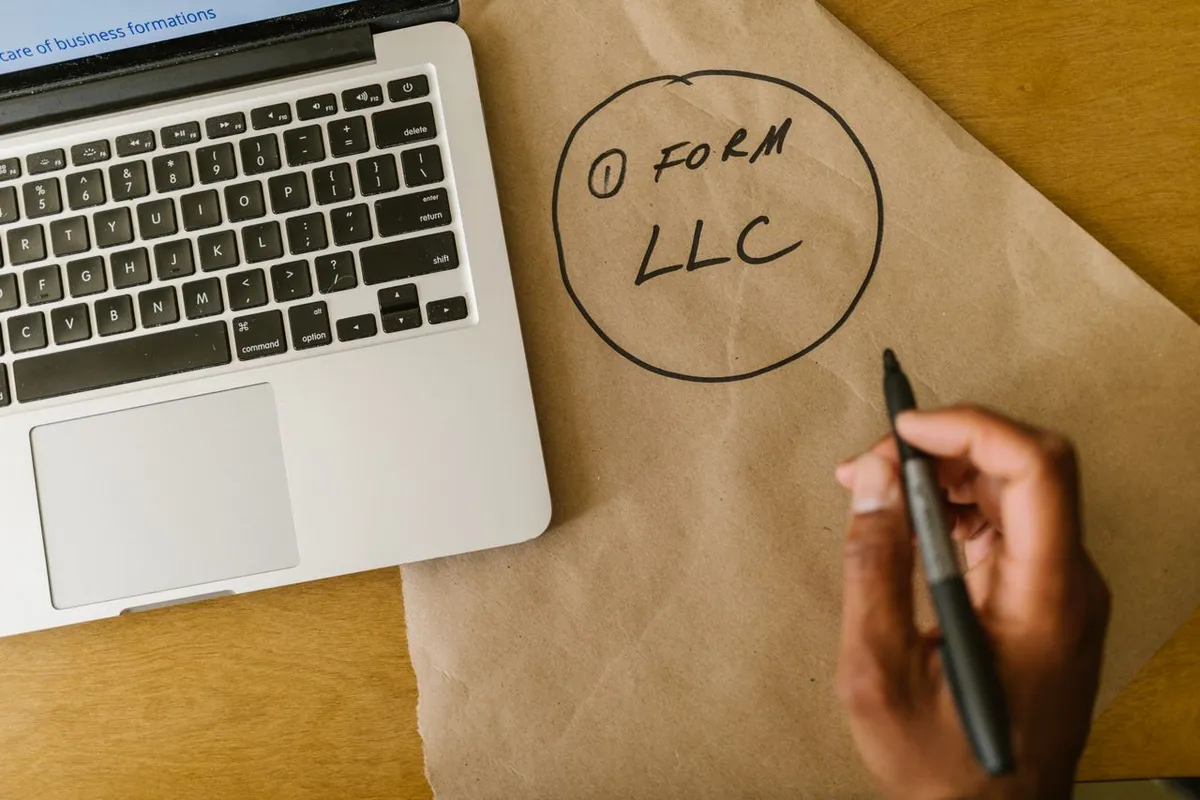
LLC vs Sole Proprietorship: Introduction
Choosing the right business structure is one of the most important decisions when starting a small business in the USA.
Many first-time entrepreneurs focus on finding customers, creating products, and making sales. However, the legal structure behind the business can have a major impact on how the business operates, how taxes are handled, and how much personal protection the owner has.
One of the most common questions new business owners ask is:
“Should I start an LLC or a Sole Proprietorship?”
The answer depends on several factors, including:
- The type of business you operate
- Your level of risk
- Your future growth plans
- Your budget
- How much protection you want
For example, many entrepreneurs begin their journey as freelancers or home-based business owners. At the beginning, simplicity matters because they are testing whether customers will actually pay for their services.
A freelance writer, online seller, or consultant may start with a simple structure. However, when revenue grows, contracts increase, and business risks become higher, many owners consider forming an LLC to create a stronger business foundation.
There is no universal answer that works for everyone.
This guide explains the differences between LLC vs. sole proprietorship, including benefits, disadvantages, taxes, costs, legal protection, and how to choose the right structure for your small business.
What Is a Business Structure?
A business structure is the legal framework that determines how a company is owned, managed, taxed, and protected. Common small business structures in the USA include Sole Proprietorships, LLCs, Partnerships, and Corporations.
When you start a business, you are not only creating a brand. You are also choosing a legal structure that affects your responsibilities.
The right structure can help you:
- Separate personal and business finances
- Understand tax responsibilities
- Protect personal assets
- Prepare for future growth
For many small business owners in the USA, the main choices are:
- Sole Proprietorship
- Limited Liability Company (LLC)
What Is a Sole Proprietorship?
A Sole Proprietorship is the simplest business structure where one person owns and operates the business. The owner and the business are not legally separated.
A Sole Proprietorship is often the first step for many entrepreneurs.
Common examples:
- Freelancers
- Online sellers
- Independent consultants
- Home-based businesses
- Personal service providers
Real-Life Example
Imagine someone named Michael starts a photography business.
At first, Michael works alone, uses his own equipment, finds customers through referrals, and earns income from photo sessions.
Because the business is small and simple, a Sole Proprietorship may be a practical starting point.
Many entrepreneurs choose this path because it allows them to test their idea without creating a complicated structure.
Advantages of Sole Proprietorship
1. Easy and Low-Cost Setup
One of the biggest advantages is simplicity.
Compared to other business structures, Sole Proprietorships usually require less paperwork.
Benefits include:
- Easy to start
- Lower initial costs
- Fewer formal requirements
This makes it attractive for beginners who are testing a business idea.
2. Complete Business Control
A Sole Proprietor owns the entire business.
The owner controls:
- Business decisions
- Pricing
- Operations
- Profits
For people who prefer independence, this can be a major advantage.
3. Simple Business Management
A small business owner can manage operations without dealing with complex corporate requirements.
This simplicity allows entrepreneurs to focus more on:
- Customers
- Sales
- Improving services
Disadvantages of Sole Proprietorship
1. Less Personal Asset Protection
The biggest disadvantage is that the owner and business are not legally separate.
This means personal assets may have less protection if the business faces financial or legal problems.
Example:
Imagine someone owns a small construction service as a Sole Proprietor.
If the business faces a serious legal claim, the owner’s personal finances could potentially be affected.
This is one reason why higher-risk businesses often consider an LLC.
2. Limited Growth Options
A Sole Proprietorship may not be ideal for businesses planning rapid growth.
Challenges may appear when:
- Adding partners
- Attracting investors
- Expanding operations
What Is an LLC?
An LLC (Limited Liability Company) is a business structure that provides personal asset protection while allowing flexible management and tax options for small business owners.
An LLC combines some advantages of corporations with the simplicity many small businesses need.
Common LLC businesses include:
- E-commerce companies
- Consulting businesses
- Real estate businesses
- Marketing agencies
- Service companies
How Do You Create an LLC in the USA?
Creating an LLC generally involves several steps.
1. Choose a Business Name
The name must follow your state’s rules.
Usually, the name must:
- Be available
- Include required LLC wording
- Not conflict with existing businesses
2. File Articles of Organization
Articles of Organization are official documents filed with a state government to legally create an LLC.
This document usually includes basic information such as:
- Business name
- Business address
- Ownership details
- Registered Agent information
Requirements vary by state.
3. Choose a Registered Agent
A Registered Agent is a person or company responsible for receiving official legal documents on behalf of an LLC.
Every LLC generally needs a Registered Agent.
The agent helps ensure important documents are received properly.
4. Maintain State Requirements
Some states require LLCs to complete ongoing requirements such as:
- Annual reports
- State fees
- Updated business information
Rules are different depending on where the LLC is registered.
Advantages of an LLC
1. Personal Asset Protection
The biggest reason entrepreneurs choose an LLC is protection.
An LLC creates separation between:
- Business activities
- Personal finances
This separation can provide valuable protection when the business faces certain risks.
2. Professional Image
Customers, suppliers, and partners often view an LLC as a more established business.
This can help when:
- Signing contracts
- Working with companies
- Building credibility
3. Flexible Ownership
An LLC can work for:
- One owner
- Multiple owners
- Growing businesses
This flexibility makes it popular among entrepreneurs.
Disadvantages of an LLC
1. Higher Costs
An LLC usually costs more to create than a Sole Proprietorship.
Possible costs include:
- State filing fees
- Annual fees
- Professional services
Costs depend on the state.
2. More Responsibilities
LLC owners need to maintain proper business records and follow state requirements.
This requires more attention compared to a simple Sole Proprietorship.
LLC vs Sole Proprietorship Taxes: What Beginners Should Know
Both LLCs and Sole Proprietorships can often use pass-through taxation, meaning business income may be reported on the owner’s personal tax return. However, tax responsibilities depend on business circumstances and individual situations.
Taxes are one of the biggest concerns for new business owners.
Sole Proprietorship Taxes
A Sole Proprietor generally reports business income and expenses through personal tax filings.
Important considerations include:
- Tracking business income
- Recording expenses
- Understanding self-employment taxes
LLC Taxes
Many single-owner LLCs are taxed similarly to Sole Proprietorships by default.
However, LLCs may have different tax options depending on the business situation.
Because taxes can become complicated, many business owners consult qualified tax professionals.
LLC vs Sole Proprietorship: Cost Comparison
| Feature | Sole Proprietorship | LLC |
| Setup Cost | Usually lower | Usually higher |
| Paperwork | Less | More |
| Protection | Limited | More protection |
| Maintenance | Simple | More requirements |
| Growth Potential | Moderate | Stronger |
LLC vs Sole Proprietorship: Which One Should You Choose?
A Sole Proprietorship may be better for simple, low-risk businesses, while an LLC may be better for entrepreneurs who want personal protection and long-term growth opportunities.
| Your Situation | Better Option |
| Testing a small business idea | Sole Proprietorship |
| Freelance work | Sole Proprietorship or LLC |
| Online business with growth plans | LLC |
| High-risk business | LLC |
| Working with contracts | LLC |
| Small side income project | Sole Proprietorship |
When Should You Start as a Sole Proprietorship?
A Sole Proprietorship may be suitable if:
- You are testing your idea
- You have low business risk
- You work alone
- You want a simple setup
Example:
A person starting a small writing service with a few clients may prefer simplicity at the beginning.
When Should You Choose an LLC?
An LLC may be better if:
- Your business has higher risks
- You want personal protection
- You plan to grow
- You work with larger clients
- You want a more professional structure
Example:
A company selling physical products online may choose an LLC because it deals with inventory, suppliers, and customer transactions.
Can You Change From Sole Proprietorship to LLC Later?
Yes, many entrepreneurs follow this path.
A common business journey looks like this:
Stage 1: Start small and test the idea
↓
Stage 2: Gain customers and revenue
↓
Stage 3: Create an LLC as the business grows
Many successful businesses evolve.
You do not always need the most complicated structure on day one.
Common Mistakes When Choosing a Business Structure
Choosing Only the Cheapest Option
The cheapest option is not always the best long-term choice.
Think about future risks.
Ignoring Liability Protection
Some entrepreneurs focus only on starting quickly and forget about protecting themselves.
Creating an LLC Without Proper Management
An LLC provides benefits, but owners still need good financial records and responsible management.
Frequently Asked Questions (FAQ)
1. Should I start an LLC or Sole Proprietorship for an online business?
It depends on your business size, risks, and goals. Small testing projects may work as Sole Proprietorships, while growing online businesses may benefit from an LLC.
2. What are the disadvantages of an LLC?
Common disadvantages include higher setup costs, more paperwork, and ongoing state requirements.
3. Can an LLC save money on taxes?
An LLC may provide different tax options depending on the situation, but tax savings are not automatic. Business owners should understand their specific tax responsibilities.
4. When should I switch from a sole proprietorship to an LLC?
Many owners consider switching when revenue grows, risks increase, contracts become larger, or they want stronger business credibility.
5. Is an LLC worth it for a small business?
For many entrepreneurs, an LLC can be valuable because it provides protection and supports future growth.
6. Can one person create an LLC?
Yes. Many LLCs are created and owned by a single entrepreneur.
Final Thoughts
Choosing between an LLC and a Sole Proprietorship is not just a paperwork decision. It is a decision about how you want to build and protect your business.
A Sole Proprietorship can be a great starting point for entrepreneurs who want simplicity and low costs while testing an idea.
An LLC can be a stronger choice for business owners who want additional protection, professional credibility, and a structure designed for growth.
The best decision depends on your business situation today and where you want your business to be in the future.
Start with a clear understanding of your goals. Learn your responsibilities. Build a strong foundation.
A successful business is not created only by choosing the right structure. It is created by making smart decisions consistently, serving customers well, and improving over time.
Author Note: This article is crafted by “The Economic Reader editorial team”, dedicated to analyzing the latest market trends, financial updates, and global economic shifts to keep you informed with accurate and comprehensive insights.
Disclaimer: The information provided on this website is for educational and informational purposes only and should not be construed as professional financial, investment, or legal advice. Always consult with a certified financial advisor or professional before making any financial decisions based on this content.