
Oil Market Weekly Update: What Happened This Week? (July 20 – 24, 2026)
Oil Market Weekly Update: Key Highlights
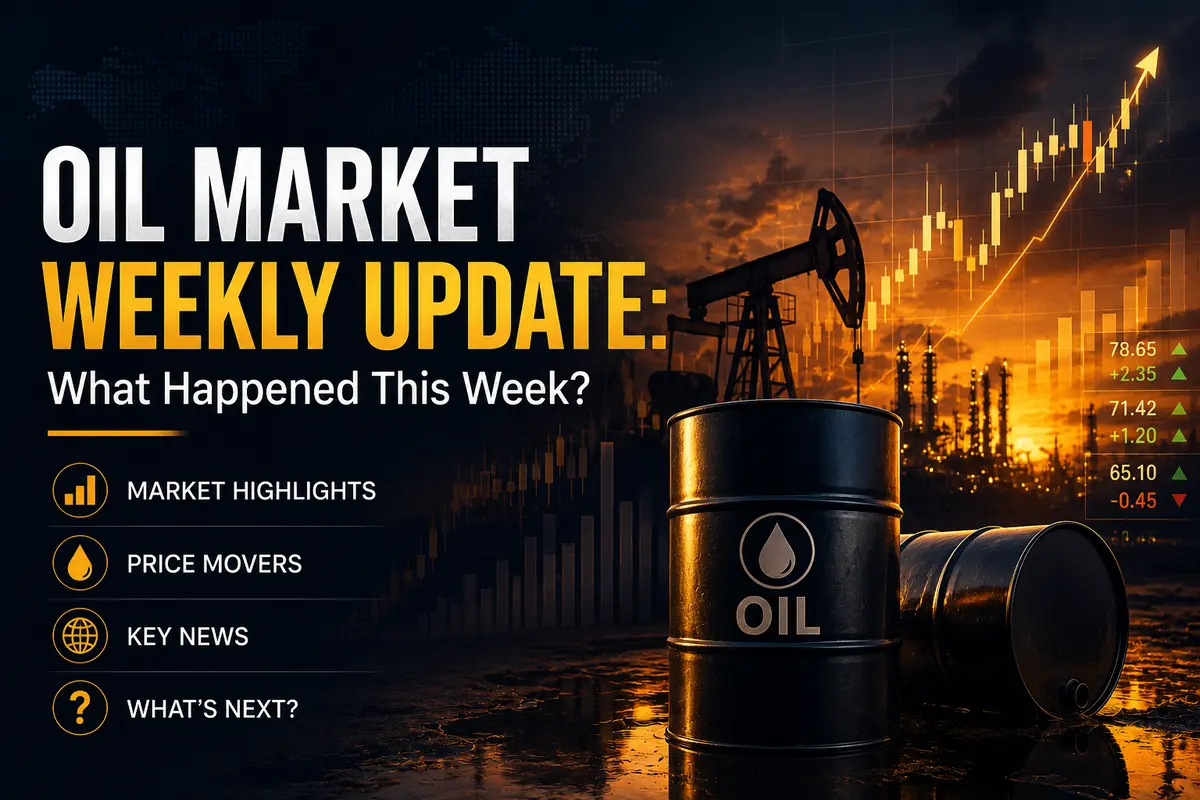
The oil market experienced a strong rally from July 20 to July 24, 2026, as crude oil prices surged and Brent crude moved back above the important $100 per barrel level.
The biggest story of the week was increasing concern about global oil supply disruptions. Geopolitical tensions, shipping risks, and production concerns pushed investors to focus on the possibility of tighter energy markets.
Oil prices are closely connected with the global economy because crude oil affects transportation, manufacturing, inflation, and consumer prices.
For beginner investors, understanding oil prices is not only about watching the price chart. Oil markets are influenced by a combination of supply, demand, politics, and economic conditions.
This weekly update explains what happened in the oil market, why prices moved higher, and what investors should watch next.
Oil Market Snapshot: July 20 – 24, 2026
| Market Indicator | Performance |
| Brent Crude Oil | Above $100 per barrel |
| WTI Crude Oil | Around the low-$90 range |
| Weekly Trend | Strongly Higher |
| Market Sentiment | Supply-risk driven |
Weekly Market Overview
Oil prices started the week with strong upward momentum as traders reacted to growing concerns about global supply.
Brent crude, the international oil benchmark, crossed above the $100 per barrel level, showing that investors were placing a higher value on energy supply security.
The move highlighted how quickly oil markets can react when supply risks increase.
Key Takeaways from This Week
- Brent crude moved above the $100 per barrel level.
- Geopolitical risks became the main market driver.
- Supply disruption concerns increased buying pressure.
- Higher oil prices raised new inflation concerns.
- Energy markets became a major focus for investors.
- Consumers could feel the impact through fuel and transportation costs.
How Did Oil Prices Perform This Week?
Oil prices had a strong week as traders focused heavily on supply concerns.
Brent crude gained significant attention after moving above $100 per barrel.
WTI crude oil, which represents US oil prices, also moved higher but remained below Brent levels.
The difference between Brent and WTI prices is normal because they represent different oil markets and locations.
Brent Crude
Brent is widely used as an international benchmark and reflects global oil market conditions.
WTI Crude
WTI represents US crude oil prices and is mainly connected with the North American energy market.
During this week, both benchmarks showed strength because investors became more concerned about future supply availability.
Why Did Oil Prices Rise This Week?
1. Geopolitical Risks Increased Supply Concerns
The biggest factor behind the oil rally was geopolitical uncertainty.
Oil markets are highly sensitive to events that could affect production or transportation.
When investors worry that oil supplies could be disrupted, prices often rise because markets price in possible shortages.
A simple example:
Imagine a store selling a popular product.
If customers believe fewer products will arrive in the future, they may buy more today, pushing prices higher.
Oil markets often behave in a similar way.
2. Shipping and Transportation Risks
Global oil transportation routes play an important role in energy markets.
Any disruption to major shipping routes can create concerns about whether oil can move efficiently from producers to consumers.
Because oil is traded globally, even regional problems can affect worldwide prices.
3. Supply and Production Concerns
Oil prices depend heavily on the balance between supply and demand.
When supply growth cannot keep pace with demand expectations, prices can move higher.
Investors closely watch:
- Production levels
- Export activity
- Inventory reports
- Energy company updates
During this week, supply concerns became a major market theme.
4. Inflation Concerns Returned
Higher oil prices often create concerns about inflation.
Oil affects many parts of the economy, including:
- Gasoline prices
- Transportation costs
- Manufacturing expenses
- Airline costs
- Delivery services
For example:
If fuel prices rise, a delivery company may spend more money transporting products.
Those higher costs can eventually affect consumer prices.
How Do Oil Prices Affect Everyday Life?
Many people notice oil prices when they visit a gas station.
However, oil affects much more than fuel.
Higher crude oil prices can influence:
- Food transportation costs
- Airline tickets
- Factory production costs
- Shipping expenses
- Plastic products
This is why economists closely monitor oil prices when analyzing inflation trends.
What Does This Mean for Beginner Investors?
1. Oil Markets Can Change Quickly
Oil is one of the most sensitive commodities in the world.
Prices can move rapidly because of:
- Political events
- Supply disruptions
- Economic data
- Market expectations
2. Energy Stocks Can Be Affected
Oil prices often influence energy companies.
When oil prices rise, some energy producers may benefit because their potential revenue can increase.
However, investors should remember that company performance depends on many factors, not only oil prices.
3. High Oil Prices Can Create Economic Challenges
While higher prices can benefit some energy producers, expensive oil can create challenges for consumers and businesses.
Higher energy costs can reduce spending power and increase operating expenses.
Important Factors to Watch Next Week
1.Global Supply Developments
Investors will continue monitoring whether supply risks increase or improve.
2.Geopolitical News
Any major international developments could quickly affect oil prices.
3.Inventory Data
Oil inventories provide information about supply and demand conditions.
4.Inflation Reports
Markets will watch whether higher energy prices influence inflation expectations.
Oil Market Outlook
The short-term oil outlook remains focused on supply risks and global developments.
Positive Factors for Oil Prices:
- Supply disruption concerns
- Geopolitical uncertainty
- Strong energy demand expectations
Risks for Oil Prices:
- Demand slowdown
- Economic weakness
- Increased production
- Reduced geopolitical tensions
Oil markets remain highly sensitive, meaning prices can change quickly as new information appears.
Frequently Asked Questions (FAQ)
1.Why did oil prices rise this week?
Oil prices increased because investors became concerned about possible supply disruptions and geopolitical risks.
2.Why is Brent oil important?
Brent crude is one of the main global oil benchmarks used to track international oil prices.
3.Does higher oil price increase inflation?
Yes. Higher oil prices can increase transportation and production costs, which may affect prices of goods and services.
4.How does oil price affect consumers?
Oil prices influence gasoline, transportation, shipping, and many everyday products.
5.Should beginners invest in oil?
Oil investments can provide opportunities, but energy markets involve risks because prices can change quickly.
Final Thoughts
The oil market experienced a strong rally from July 20-24, 2026, with Brent crude moving above the important $100 per barrel level.
The main driver behind the move was not only demand, but growing concerns about global oil supply and geopolitical risks.
For beginner investors, the key lesson is simple:
Oil prices are influenced by much more than supply and demand alone. Global events, transportation risks, and economic expectations can quickly change the direction of the market.
Understanding these factors helps investors better understand energy markets and the broader global economy.
Author Note: This article is crafted by “The Economic Reader editorial team”, dedicated to analyzing the latest market trends, financial updates, and global economic shifts to keep you informed with accurate and comprehensive insights.
Disclaimer: The information provided on this website is for educational and informational purposes only and should not be construed as professional financial, investment, or legal advice. Always consult with a certified financial advisor or professional before making any financial decisions based on this content.
Click here to view last week Gold market update