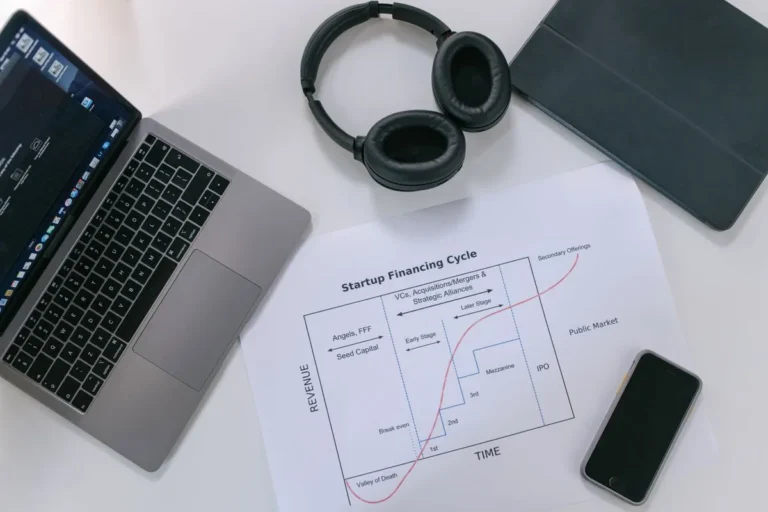

What Is an Index Fund? A Beginner’s Guide to Simple and Smart Investing

Introduction
If you are asking what is an index fund, investing can feel complicated when you are just starting.
Many beginners hear about stocks, financial markets, company reports, and investment strategies and feel overwhelmed. They may think successful investing requires advanced knowledge, constant market monitoring, or the ability to choose the next winning company.
However, investing does not always have to be complicated.
One of the reasons index funds have become popular among beginner and experienced investors is their simplicity. Instead of trying to find individual companies that will outperform the market, index funds allow investors to own a broad collection of companies through a single investment.
For example, instead of spending hours researching hundreds of companies, an investor can buy an index fund that tracks a major market index and automatically gain exposure to many businesses.
This simple approach has attracted millions of investors around the world.
But what exactly is an index fund? How does it work? Is it a good choice for beginners? What are the benefits and risks?
In this guide, we will explain everything you need to know about index funds in a simple and beginner-friendly way.
What Is an Index Fund?
An index fund is an investment fund designed to follow the performance of a specific market index by holding the same or similar investments included in that index.
In simple terms, an index fund is a way to invest in many companies at once instead of buying individual stocks one by one.
For example:
A company called Apple may perform very well, while another company may perform poorly. If you invest only in one company, your results depend heavily on that single business.
But an index fund that tracks hundreds of companies spreads your investment across many businesses.
This means your success is linked to the overall performance of the market rather than one company.
What Is a Market Index?
To understand index funds, you first need to understand what an index is.
A market index is a group of companies used to measure the performance of a specific part of the stock market.
Examples include:
S&P 500 Index
The S&P 500 tracks around 500 large publicly traded companies in the United States.
It is often used as a representation of the overall US stock market.
Nasdaq-100 Index
The Nasdaq-100 includes many large technology and growth-focused companies.
Dow Jones Industrial Average
The Dow Jones tracks 30 major US companies.
An index fund does not try to beat these indexes. Its goal is to follow their performance.
How Do Index Funds Work?
Index funds work through a simple process.
Step 1: Choosing an Index
A fund provider chooses which market index the fund will follow.
For example, a fund may track the S&P 500.
Step 2: Buying the Same Investments
The fund buys shares of companies included in that index.
If the index contains hundreds of companies, the fund may own small portions of each company.
Step 3: Investors Buy Shares of the Fund
Instead of purchasing hundreds of individual stocks, investors buy shares of the index fund.
This gives them exposure to many companies through one investment.
Why Are Index Funds Popular Among Investors?
Index funds have become popular because they offer a simple approach to building wealth.
1. They Provide Instant Diversification
Diversification means spreading investments across different assets to reduce risk.
Imagine investing all your money into one company.
If that company faces financial problems, your investment could suffer significantly.
An index fund may include hundreds of companies across different industries.
For example, a broad market index may include:
- Technology companies
- Healthcare companies
- Financial companies
- Consumer businesses
- Industrial companies
This reduces dependence on any single company.
2. Index Funds Usually Have Lower Costs
One major advantage of index funds is lower fees.
Traditional investment funds often require professional managers who actively buy and sell investments.
Index funds usually follow a fixed strategy, so they require less management.
Lower costs can help investors keep more of their returns over time.
Even small differences in fees can have a large impact over decades.
3. They Are Simple for Beginners
Many beginners struggle with choosing individual stocks.
Questions like:
- Which company should I buy?
- Is the stock price too high?
- When should I sell?
can make investing stressful.
Index funds simplify the process.
Instead of analyzing hundreds of companies, investors can choose a diversified investment and focus on long-term growth.
Index Funds vs Individual Stocks
Both approaches have advantages and disadvantages.
Individual Stocks
When you buy individual stocks, you own shares of specific companies.
Advantages:
- Potential for higher returns
- Ability to choose specific companies
- More control over investments
Disadvantages:
- Higher risk
- Requires more research
- Results depend heavily on individual companies
Index Funds
When you buy index funds, you invest in many companies at once.
Advantages:
- Diversification
- Lower costs
- Easier for beginners
- Less time required
Disadvantages:
- Cannot choose individual companies
- Returns match the market rather than outperforming it
For many beginners, index funds provide a balanced starting point.
Index Funds vs Mutual Funds
Many people confuse index funds with mutual funds.
The difference is mainly how they are managed.
Actively Managed Mutual Funds
Professional managers choose investments and attempt to outperform the market.
This requires more research and trading.
Index Funds
Index funds simply follow a market index.
They do not try to predict which companies will perform best.
Because of this passive approach, index funds usually have lower costs.
Benefits of Investing in Index Funds
Long-Term Wealth Building
Index funds are often used for long-term financial goals such as:
- Retirement planning
- Building wealth
- Future financial security
The idea is to stay invested and allow the market to grow over time.
Less Emotional Investing
Many investors make mistakes because of emotions.
They buy when prices are high because of excitement.
They sell when prices fall because of fear.
Index fund investors often follow a long-term plan instead of reacting to daily market movements.
Time Efficiency
Not everyone has time to study financial markets every day.
Index funds allow people to invest without constantly monitoring individual companies.
This makes them attractive for busy professionals and beginners.
Risks and Limitations of Index Funds
Although index funds have many advantages, they are not risk-free.
Market Risk
If the overall market declines, index funds can also lose value.
For example, during major economic downturns, stock indexes can experience significant declines.
No Guaranteed Returns
Index funds can provide strong long-term results, but returns are never guaranteed.
Past performance does not guarantee future results.
Limited Ability to Beat the Market
Because index funds follow the market, they usually do not outperform the index they track.
Investors looking for higher potential returns may choose individual stocks or other strategies.
How Beginners Can Start Investing in Index Funds
Starting does not need to be complicated.
Step 1: Learn the Basics
Understand:
- What the fund tracks
- Fees involved
- Investment risks
- Your financial goals
Step 2: Choose Your Investment Platform
Many online investment platforms allow individuals to purchase index funds.
Before choosing a platform, consider:
- Fees
- Available funds
- User experience
- Security features
Step 3: Start With an Amount You Are Comfortable With
You do not need a large amount of money to begin.
The important thing is building the habit of investing consistently.
Step 4: Think Long Term
Index fund investing usually works best with patience.
Short-term market movements can be unpredictable.
Long-term investors focus on overall growth.
Real-Life Example of Index Fund Investing
Imagine Sarah is a beginner investor.
She does not have time to analyze hundreds of companies every week.
Instead of choosing individual stocks, she invests regularly in an index fund that follows a broad market index.
During some years, the market rises.
During other years, the market falls.
However, Sarah continues investing because her goal is long-term wealth building.
Over many years, her investment benefits from market growth and compound returns.
The key is not predicting every market movement. The key is consistency.
Common Mistakes Beginners Make with Index Funds
Checking Prices Too Often
Watching daily changes can create unnecessary stress.
Long-term investors focus on years, not daily movements.
Choosing Funds Only Because They Are Popular
A popular fund is not always the best choice.
Investors should consider:
- What index it follows
- Fees
- Investment goals
Ignoring Fees
Even small fees can reduce long-term returns.
Always understand the costs before investing.
Expecting Quick Profits
Index funds are generally designed for long-term investing.
They are not a shortcut to becoming wealthy quickly.
Frequently Asked Questions (FAQ)
1. Are index funds good for beginners?
Yes. Many beginners choose index funds because they are simple, diversified, and require less active management.
2. Can you lose money in an index fund?
Yes. Index funds can lose value when the market declines. However, diversification can help reduce individual company risk.
3. How much money do I need to start investing in index funds?
The required amount depends on the investment platform and fund. Many options allow beginners to start with relatively small amounts.
4. Are index funds better than individual stocks?
Neither is automatically better. Index funds offer simplicity and diversification, while individual stocks offer more control and potentially higher returns with greater risk.
5. How long should I invest in an index fund?
Many investors use index funds for long-term goals and hold them for many years.
Final Thoughts
Index funds have changed the way many people invest by making wealth building simpler and more accessible.
They allow investors to own a wide range of companies without needing to analyze every business individually. For beginners, this simplicity can be a major advantage.
However, smart investing is not only about choosing the right investment. It is also about having patience, understanding risks, and staying committed to a long-term financial plan.
An index fund will not make someone wealthy overnight. But with consistent investing, discipline, and time, it can become a powerful tool for building long-term wealth.
The most important investment decision is often not finding the perfect opportunity. It is creating a smart strategy and following it consistently.
If you want to learn how to start investing, read our full guide; click here
If you want to learn how to invest in the stock market? Read our full guide; click here.
Author Note: This article is crafted by “The Economic Reader editorial team”, dedicated to analyzing the latest market trends, financial updates, and global economic shifts to keep you informed with accurate and comprehensive insights.
Disclaimer: The information provided on this website is for educational and informational purposes only and should not be construed as professional financial, investment, or legal advice. Always consult with a certified financial advisor or professional before making any financial decisions based on this content.