
What Are Tariffs? A Beginner’s Guide to Tariffs, Trade, Prices, and the Global Economy
What Are Tariffs: Introduction
International trade connects countries, businesses, and consumers around the world.
Every day, companies import and export products such as:
- Electronics
- Cars
- Food products
- Energy resources
- Raw materials
However, when goods move between countries, governments often create policies that influence how trade works.
One of the most common trade policies is a tariff.
Tariffs can affect:
- Product prices
- Businesses
- Consumers
- Inflation
- Economic growth
- International relationships
For example, when a government places a tariff on imported goods, those products may become more expensive because importers usually pass some or all of the additional cost to consumers.
The simple idea is:
A tariff is a tax placed by a government on imported or exported goods to influence trade, protect domestic industries, or generate revenue.
In this guide, we will explain what tariffs are, how they work, why governments use them, their advantages and disadvantages, and how they affect the global economy.
What Are Tariffs?
A tariff is a tax or fee imposed by a government on goods entering or leaving a country.
Most commonly, tariffs are placed on imported goods.
Example:
A U.S. company imports products from another country. If the government applies a tariff, the importing company must pay an additional fee before selling those goods domestically.
This additional cost can affect:
- Importers
- Businesses
- Retail prices
- Consumers
How Do Tariffs Work?
The process of a tariff is relatively simple.
Step 1: A Company Imports Goods
A business purchases products from another country.
Example:
A company imports electronic components from overseas.
Step 2: The Government Applies a Tariff
The government charges a tax on those imported goods.
Example:
A 10% tariff is placed on imported products.
Step 3: Importers Pay the Additional Cost
The importing company pays the tariff when bringing goods into the country.
Step 4: Businesses Adjust Prices
Companies may respond by:
- Increasing prices
- Reducing profits
- Finding alternative suppliers
Step 5: Consumers May Feel the Impact
If businesses increase prices, consumers may pay more for products.
Why Do Governments Use Tariffs?
Governments use tariffs for several economic and strategic reasons.
1. Protect Domestic Industries
One major reason for tariffs is protecting local businesses from foreign competition.
Example:
A country may place tariffs on imported steel to help domestic steel producers compete.
Without tariffs, cheaper imported products may make it difficult for local companies to survive.
2. Protect Jobs
Governments may use tariffs to support industries that employ many workers.
The idea is:
- Stronger domestic industries
- More business activity
- Protection of local employment
However, critics argue that tariffs can also create job losses in industries that depend on imported materials.
3. Generate Government Revenue
Historically, tariffs were an important source of government income.
Today, many governments rely more on other forms of taxation, but tariffs can still generate revenue.
4. Address Unfair Trade Practices
Governments may use tariffs when they believe another country is engaging in unfair trade practices.
Examples:
- Government subsidies
- Artificially low prices
- Trade restrictions
5. National Security Reasons
Some governments apply tariffs to protect industries considered important for national security.
Examples:
- Defense-related materials
- Energy resources
- Critical technology
Types of Tariffs
There are different types of tariffs based on how they are calculated.
1. Specific Tariff
A specific tariff is a fixed amount charged per unit of a product.
Example:
A government charges $5 for every imported item.
The tariff amount does not change based on the product price.
2. Ad Valorem Tariff
An ad valorem tariff is calculated as a percentage of the product value.
Example:
A 10% tariff is applied to a $1,000 imported product.
The tariff cost would be:
$100
3. Protective Tariff
A protective tariff is designed to support domestic industries.
Its goal is to make imported goods more expensive so local companies can compete.
4. Retaliatory Tariff
A retaliatory tariff is placed in response to another country’s trade actions.
This often happens during trade disputes.
5. Import Tariff
An import tariff is placed on goods entering a country.
This is the most common type of tariff.
Tariffs vs Taxes: What Is the Difference?
| Tariffs | Taxes |
| Usually applied to international trade. | Applied to income, purchases, property, etc. |
| Mostly affect imported goods. | Affect individuals and businesses broadly. |
| Designed to influence trade | Mainly used to fund government activities. |
A tariff is a specific type of tax related to trade.
Advantages of Tariffs
Tariffs can provide several potential benefits.
1. Support Local Businesses
Tariffs can help domestic companies compete against lower-priced imports.
2. Encourage Domestic Production
Higher import costs may encourage businesses to produce more goods locally.
3. Protect Strategic Industries
Tariffs may help protect industries considered important for economic security.
4. Create Government Revenue
Tariffs generate income that governments can use for public programs.
Disadvantages of Tariffs
Although tariffs can provide benefits, they also create challenges.
1. Higher Consumer Prices
One of the biggest criticisms of tariffs is that they can increase prices.
Example:
If imported products become more expensive, companies may increase retail prices.
Consumers may pay more for:
- Electronics
- Vehicles
- Household goods
- Food products
2. Higher Production Costs for Businesses
Many companies rely on imported materials.
Example:
A manufacturer imports metal components.
If tariffs increase costs, the company may experience:
- Lower profits
- Higher prices
- Reduced production
3. Supply Chain Disruptions
Tariffs can force businesses to change suppliers.
This may create:
- Delays
- Higher costs
- Operational challenges
4. Trade Conflicts
When one country introduces tariffs, other countries may respond with their own tariffs.
This can create a trade war.
5. Reduced Competition
Some economists argue tariffs can reduce competition by protecting domestic companies from international pressure.
Less competition may reduce incentives for:
- Innovation
- Efficiency
- Lower prices
How Tariffs Affect Consumers
Consumers may experience tariff effects through prices.
When imported goods become more expensive:
- Retail prices may increase.
- Consumers may change purchasing decisions.
- Demand for certain products may decline.
Example:
If imported smartphones become more expensive because of tariffs, consumers may:
- Pay higher prices
- Choose cheaper alternatives
- Delay purchases
How Tariffs Affect Businesses
Businesses can experience both benefits and challenges.
Benefits:
Domestic producers may gain advantages because imported competitors become more expensive.
Challenges:
Companies that depend on imported materials may face:
- Higher costs
- Lower profit margins
- Supply problems
How Tariffs Affect Inflation
Tariffs can influence inflation.
When tariffs increase the cost of imported goods, businesses may pass those costs to consumers.
This can contribute to higher prices.
However, the overall impact depends on:
- Size of tariffs
- Economic conditions
- Consumer demand
- Business decisions
How Tariffs Affect Stock Markets
Stock markets often react to tariff announcements.
Possible effects:
Negative Effects:
- Higher business costs
- Lower company profits
- Increased uncertainty
Positive Effects:
Some domestic industries may benefit from reduced foreign competition.
Examples:
- Domestic manufacturers
- Certain resource industries
Investors usually analyze how tariffs affect specific companies and sectors.
Tariffs and Global Trade
International trade depends on cooperation between countries.
Tariffs can influence:
- Import levels
- Export opportunities
- Business investment decisions
Countries often negotiate trade agreements to reduce tariffs and encourage economic cooperation.
What Is a Trade War?
A trade war happens when countries repeatedly increase tariffs against each other.
Example:
Country A places tariffs on products from Country B.
Country B responds with tariffs on products from Country A.
This cycle can affect:
- Businesses
- Consumers
- Global markets
Real-World Examples of Tariffs
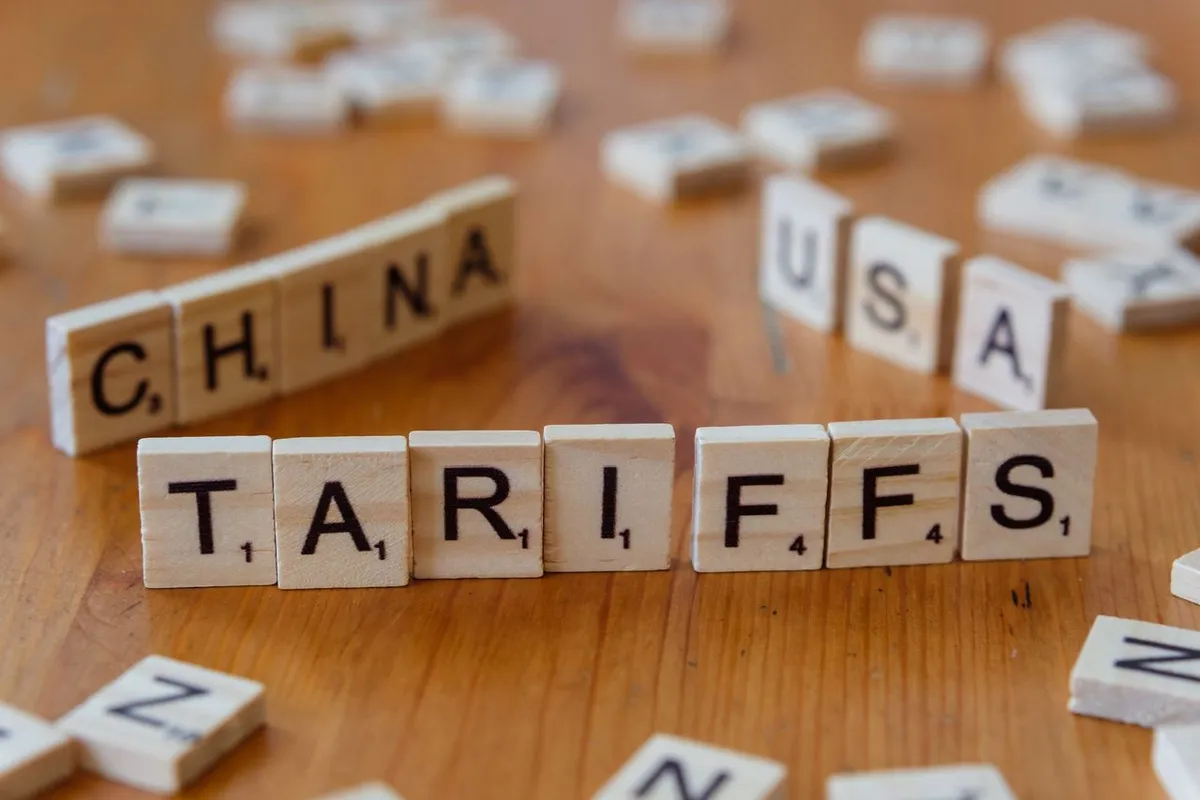
U.S.-China Trade Tensions
The United States and China introduced tariffs on billions of dollars’ worth of goods during trade disputes.
The conflict affected:
- Manufacturing
- Technology companies
- Supply chains
- Global trade patterns
Steel and Aluminum Tariffs
Some countries have applied tariffs on steel and aluminum imports to support domestic producers.
These policies created debates about:
- Industrial protection
- Consumer costs
- International competition
How Tariffs Affect Economic Growth
The impact of tariffs on economic growth depends on many factors.
Potential benefits:
- Stronger domestic industries
- More local production
Potential disadvantages:
- Higher costs
- Reduced trade
- Lower business investment
Economists often debate whether tariffs create more benefits or costs for an economy.
Common Misunderstandings About Tariffs
1. “Foreign Countries Always Pay Tariffs”
Many people assume tariffs are directly paid by foreign governments.
In reality, tariffs are usually paid by domestic importers, and the cost may be passed to consumers.
2. “All Tariffs Are Bad”
Tariffs can provide benefits in certain situations, such as protecting strategic industries.
3. “Tariffs Only Affect Businesses”
Tariffs can affect:
- Companies
- Consumers
- Workers
- Investors
Frequently Asked Questions (FAQ)
1. What is a tariff in simple words?
A tariff is a government tax placed on imported or exported goods.
2. Who pays tariffs?
Importing companies usually pay tariffs, but the cost may be passed to consumers through higher prices.
3. Why do governments use tariffs?
Governments use tariffs to protect industries, support jobs, generate revenue, and influence trade.
4. Do tariffs increase prices?
Tariffs can increase prices because imported goods and materials may become more expensive.
5. Are tariffs good or bad for the economy?
The impact depends on the situation, industry, and government goals.
Final Thoughts
Tariffs are one of the most important tools governments use to influence international trade.
They can help protect domestic industries and support local production, but they can also increase prices, create trade conflicts, and affect businesses and consumers.
Understanding tariffs helps investors, business owners, and consumers better understand how global economic decisions influence everyday life.
In a connected global economy, trade policies such as tariffs can have effects far beyond borders.
If you want to learn What Are Imports, read our full guide; click here
If you want to learn What Are Exports, read our full guide; click here
Author Note: This article is crafted by “The Economic Reader editorial team”, dedicated to analyzing the latest market trends, financial updates, and global economic shifts to keep you informed with accurate and comprehensive insights.
Disclaimer: The information provided on this website is for educational and informational purposes only and should not be construed as professional financial, investment, or legal advice. Always consult with a certified financial advisor or professional before making any financial decisions based on this content.