What Is a Debit Card? A Beginner’s Guide to How Debit Cards Work
Introduction
To understand what is a debit card, it helps to look at how people use cards in today’s digital world for almost every type of payment.
Whether buying groceries, paying bills, shopping online, or withdrawing money from an ATM, payment cards have become an important part of everyday financial life.
Two of the most common payment cards are:
- Credit cards
- Debit cards
Although they look similar, they work in very different ways.
A credit card allows you to borrow money from a financial institution, while a debit card uses money that you already have in your bank account.
For many beginners, a debit card is the first step toward managing personal finances.
It helps people:
- Access their bank accounts easily
- Make digital payments
- Control spending
- Avoid unnecessary debt
The basic idea is simple:
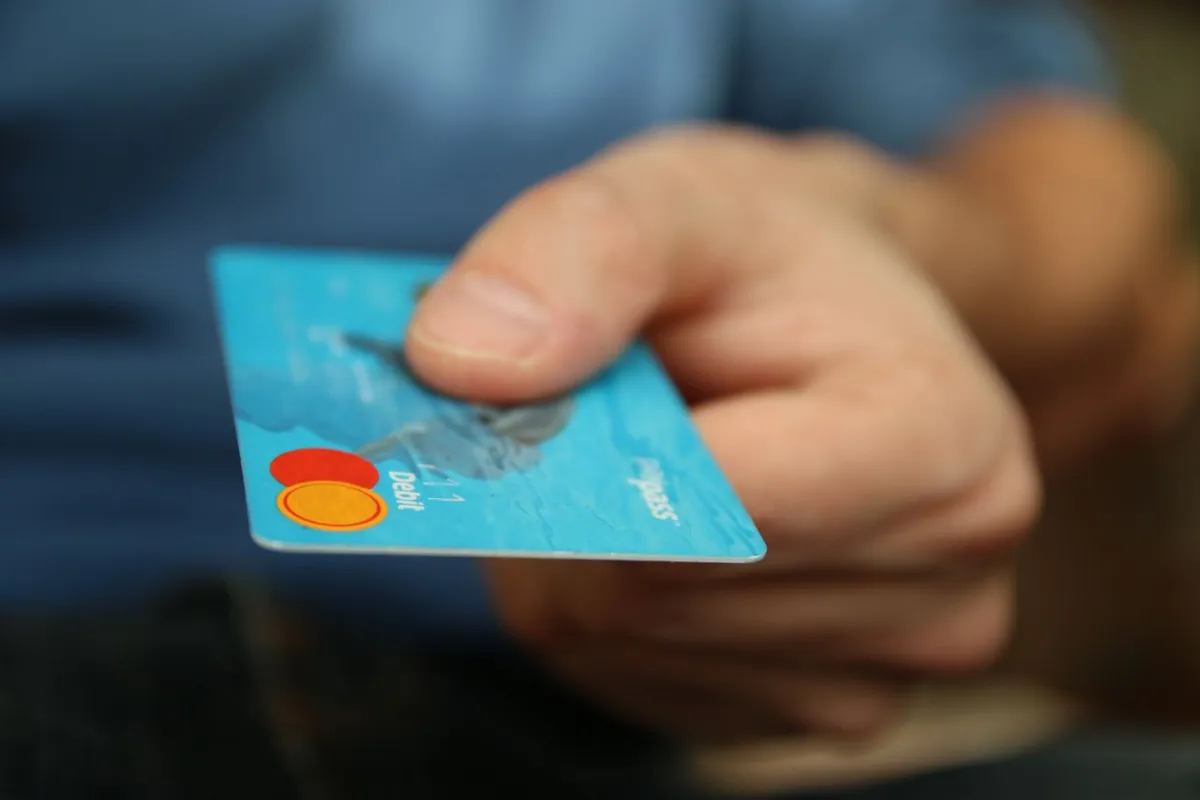
A debit card is a payment card that allows you to spend money directly from your bank account without borrowing money.
In this guide, we will explain what a debit card is, how it works, its benefits, risks, and how beginners can use debit cards effectively.
What Is a Debit Card?
A debit card is a bank-issued payment card that allows you to make purchases or withdraw money directly from your checking or savings account.
In simple words:
A debit card uses your own money.
When you make a purchase, the money is taken from your bank account balance.
Unlike a credit card, you are not borrowing money from a lender.
How Does a Debit Card Work?
A debit card works by connecting directly to your bank account.
The process is simple:
1. Money Is Deposited Into Your Bank Account
Before using a debit card, you need money in your account.
Money can come from:
- Salary
- Business income
- Transfers
- Deposits
2. You Use the Debit Card for Payments
When you purchase something:
Example:
You buy groceries worth $100.
The payment system checks your account.
If you have enough money:
- The transaction is approved
- $100 is removed from your account
3. The Bank Processes the Transaction
The bank communicates with the payment network to complete the transaction.
Common payment networks include:
4. Your Account Balance Changes
After the payment:
Your available balance decreases.
Example:
Before purchase:
Bank balance: $1,000
Purchase:
$100
After purchase:
Balance: $900
Main Features of a Debit Card
Debit cards include several important features.
1. Direct Access to Your Money
The biggest feature of a debit card is that it provides direct access to your bank account.
You can use it for:
- Shopping
- ATM withdrawals
- Online payments
- Bill payments
2. ATM Access
Debit cards allow users to withdraw cash from ATMs.
You can:
- Check account balance
- Withdraw money
- Deposit money (depending on the bank)
3. PIN Security
Most debit cards require a Personal Identification Number (PIN).
The PIN helps protect your account from unauthorized use.
4. Contactless Payments
Many modern debit cards support contactless payments.
Users can pay by tapping the card on compatible payment terminals.
5. Online Transactions
Debit cards can often be used for:
- Online shopping
- Subscription payments
- Digital services
Debit Card vs Credit Card: What Is the Difference?
Although they look similar, debit and credit cards work differently.
| Debit Card | Credit Card |
| Uses your own money | Uses borrowed money |
| Connected to your bank account | Connected to a credit line |
| No interest charges on purchases | Interest may apply if balance is unpaid. |
| Helps control spending | Can help build credit history |
| Limited by account balance | Limited by credit limit |
Benefits of Using a Debit Card
Debit cards provide several advantages.
1. Helps Control Spending
Because debit cards use your own money, they can make budgeting easier.
Example:
If you have $500 in your account, you know your spending limit.
2. Avoids Credit Card Debt
Since you are not borrowing money, you avoid:
- Credit card interest
- Long-term debt
- Large unpaid balances
3. Convenient Payments
Debit cards are easier than carrying cash.
They can be used for:
- Daily purchases
- Online shopping
- Bills
4. Easy Access to Cash
Debit cards allow quick ATM withdrawals.
5. Useful for Budgeting
Many people use debit cards to manage spending categories.
Example:
A person may use their debit card only for:
- Food
- Transportation
- Entertainment
6. Widely Accepted
Most businesses accept debit cards.
They can be used at:
- Stores
- Restaurants
- Online platforms
- Service providers
Risks and Disadvantages of Debit Cards
Although debit cards are useful, they also have some risks.
1. Less Protection Compared with Credit Cards
Depending on the situation and local laws, debit card fraud may affect your bank balance immediately.
Credit cards often provide additional dispute protections.
2. Spending Limit Depends on Your Balance
A debit card does not provide extra borrowing ability.
If your account balance is low, transactions may fail.
3. Limited Rewards
Many debit cards offer fewer rewards compared with credit cards.
4. Risk of Fraud
Debit card information can be stolen through:
- Fake websites
- Card skimming devices
- Phishing messages
5. No Credit Building
Using a debit card usually does not help build a credit history.
How to Use a Debit Card Safely
Responsible usage helps protect your money.
1. Monitor Your Bank Account Regularly
Check transactions frequently.
Look for:
- Unknown payments
- Incorrect charges
- Suspicious activity
2. Protect Your PIN
Never share your PIN with others.
Avoid using easy numbers such as:
- Birth dates
- Simple patterns
3. Use Secure Websites
Before entering card information online:
Check that the website is trusted.
4. Enable Banking Notifications
Many banks offer alerts for:
- Purchases
- Withdrawals
- Account changes
5. Avoid Public Wi-Fi for Banking
Public networks may create security risks.
Use secure connections when accessing financial accounts.
Debit Card and Personal Budgeting
Debit cards can be powerful budgeting tools.
Because spending comes directly from your account, they encourage awareness.
Example:
Maria earns $3,000 per month.
She separates her expenses:
- Rent
- Food
- Transportation
- Savings
She uses her debit card for planned expenses only.
This helps her avoid spending beyond her income.
Debit Card vs Cash: Which Is Better?
Both have advantages.
| Debit Card | Cash |
| Convenient | Simple |
| Easier transaction tracking | No digital record |
| Safer for large purchases | Useful where cards are not accepted |
| Works online | Limited online use |
Many people use a combination of both.
How Beginners Should Use a Debit Card
1. Understand Your Balance
Always know how much money is available.
Plan:
- Income
- Expenses
- Savings
3. Avoid Spending Without Tracking
Small purchases can add up.
4. Keep Emergency Savings
A debit card works best when combined with financial preparation.
5. Use Banking Tools
Many banks provide:
- Spending reports
- Alerts
- Budgeting features
Common Debit Card Mistakes
1. Ignoring Account Balance
Spending without checking your balance can cause problems.
2. Sharing Card Information
Never share:
- Card number
- PIN
- Security details
3. Using Unsafe Websites
Online fraud can put your money at risk.
4. Depending Only on Debit Cards
Debit cards are useful, but building a complete financial plan may require:
- Savings
- Investments
- Credit management
5. Not Reviewing Transactions
Regular reviews help identify mistakes quickly.
Real-Life Example of Debit Card Usage
Imagine John receives his monthly salary into his bank account.
He uses his debit card for:
- Grocery shopping
- Fuel
- Utility bills
- Daily expenses
Because every payment comes directly from his account, John knows exactly how much money he has remaining.
He avoids unnecessary debt and maintains control over his spending.
The debit card itself does not create financial success.
The habits behind using it create the results.
How Debit Cards Fit into Personal Finance
A debit card is one part of a larger financial system.
It connects with:
Good financial management requires understanding how each tool works.
Frequently Asked Questions (FAQ)
1. What is a debit card in simple words?
A debit card is a payment card that uses money directly from your bank account.
2. Is a debit card better than a credit card?
It depends on your financial goals. Debit cards help control spending, while credit cards can help build credit when used responsibly.
3. Can I use a debit card online?
Yes, many debit cards can be used for online purchases.
4. Does a debit card build credit?
No. Debit card usage usually does not create a credit history.
5. What happens if my debit card is stolen?
Contact your bank immediately to block the card and protect your account.
Final Thoughts
A debit card is a simple but powerful financial tool.
It gives people convenient access to their own money and helps manage everyday spending.
For beginners, debit cards can teach important financial habits:
- Budgeting
- Spending control
- Money awareness
However, a debit card alone does not create financial success.
The key is how you use it.
When combined with saving, investing, and responsible money management, a debit card can become an important part of building a stronger financial future.
If you want to learn how to Improve Your Finances, read our full guide; click here.
If you want to learn how to create a Monthly Budget, read our full guide; click here.
If you want to learn how to Build Wealth in your 30s, read our full guide; click here.
Author Note: This article is crafted by “The Economic Reader editorial team”, dedicated to analyzing the latest market trends, financial updates, and global economic shifts to keep you informed with accurate and comprehensive insights.
Disclaimer: The information provided on this website is for educational and informational purposes only and should not be construed as professional financial, investment, or legal advice. Always consult with a certified financial advisor or professional before making any financial decisions based on this content.