How to Protect Your Assets Through Insurance: A Practical Guide to Wealth Protection
How to Protect Your Assets Through Insurance
Building wealth takes time. Protecting it can take just as much planning.
You may spend years paying down a mortgage, building retirement savings, investing, buying a car, or growing a business. But one major accident, lawsuit, illness, or property loss can create a financial setback that takes years to recover from.
That is where insurance becomes an important part of financial planning.
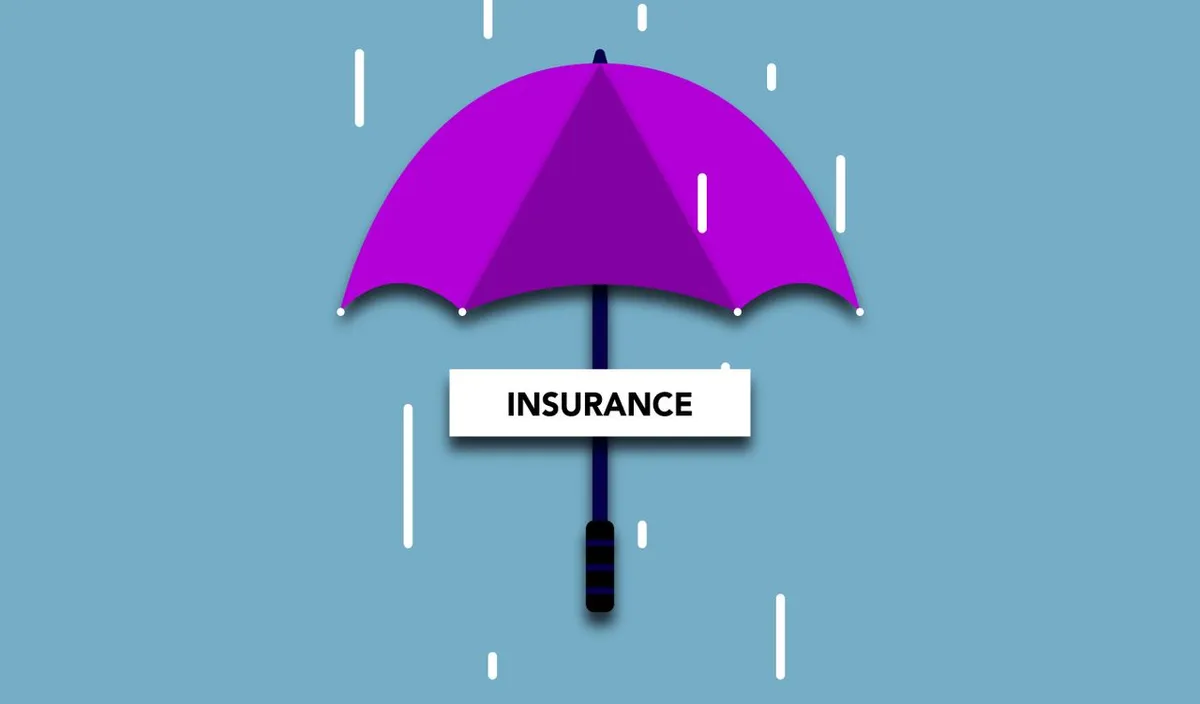
Insurance helps protect your assets by transferring certain financial risks to an insurance company in exchange for premiums. If a covered event occurs, the insurer may help pay for the resulting costs according to the terms, limits, deductibles, and exclusions of the policy.
Insurance does not prevent bad events from happening. Instead, it can help keep one unexpected event from turning into a financial disaster.
For example, health insurance can reduce exposure to large medical bills, while homeowners insurance can help protect a home and personal property from covered losses. Liability insurance can also help protect your finances when you are legally responsible for injuries or property damage.
The key is not simply to buy as much insurance as possible. The goal is to identify the risks that could seriously damage your finances and choose coverage that fits those risks.
What Is Asset Protection?
Asset protection is the process of using financial and legal strategies to reduce the risk of losing wealth because of unexpected events.
Your assets may include:
- A home or other real estate
- Vehicles
- Bank savings
- Investment accounts
- Retirement assets
- Personal belongings
- Business property
- Future income
Insurance is one part of an overall asset protection strategy.
For example, your emergency fund may help you handle a $1,500 car repair. But an emergency fund may not be enough to absorb a $300,000 liability claim or a major property loss.
That is the difference between saving for smaller financial shocks and insuring against potentially devastating risks.
Why Is Asset Protection Important?
Growing your wealth is only half of the financial equation.
Imagine someone has accumulated $200,000 between savings and investments. A serious accident, uninsured property loss, or major liability claim could potentially create a financial obligation large enough to consume a significant portion of that wealth.
The exact risk depends on the person’s circumstances and insurance coverage, but the principle is straightforward: the larger your financial base becomes, the more there may be to protect.
This is why insurance should be viewed as part of wealth management rather than simply another monthly bill.
How Does Insurance Protect Your Assets?
Insurance creates a financial layer between you and certain covered risks.
You pay a premium to maintain coverage. In return, the insurer agrees to provide specified benefits when a covered event occurs, subject to the policy’s conditions and limits.
Consider a simple example.
You own a home and have homeowners insurance. A covered fire causes significant damage to the property. Instead of paying the entire repair or rebuilding cost from your own savings, you may be able to make a claim under your policy.
The amount the insurer pays depends on the policy. Coverage limits, deductibles, exclusions, and the method used to value the property all matter.
The National Association of Insurance Commissioners’ homeowners insurance guidance explains that homeowners policies can include coverage for the dwelling, personal property, liability, and additional living expenses, while certain risks such as flooding may require separate coverage.
That last point is important: having insurance does not automatically mean every possible loss is covered.
7 Types of Insurance That Can Help Protect Your Assets
Different insurance policies protect against different risks. The right combination depends on your income, assets, family responsibilities, lifestyle, and financial goals.
Medical costs can become one of the biggest threats to household finances.
Health insurance helps protect you from potentially large medical expenses resulting from illness, accidents, hospital stays, surgeries, and other covered care.
According to HealthCare.gov, people without health coverage can be exposed to very high medical costs, while health coverage can help reduce the financial impact of serious illness or injury.
This matters for asset protection because large medical bills can force people to use money that was originally intended for:
- Emergency savings
- Investments
- Retirement
- Housing
- Education
- Other long-term goals
When comparing health insurance, do not look only at the monthly premium. Deductibles, copayments, coinsurance, and out-of-pocket limits can also have a major effect on your total costs. HealthCare.gov recommends considering total yearly costs when comparing plans.
For many households, a home is their largest single asset.
Homeowners insurance can protect the structure of the home, personal belongings, and personal liability for certain covered events.
For example, if a covered event makes your home temporarily unlivable, the policy may provide additional living expense coverage according to its terms.
However, homeowners should pay close attention to exclusions. Flood and earthquake damage, for example, may require separate insurance rather than being automatically included in a standard homeowners policy.
3. Renters Insurance
You do not need to own a home to have valuable property worth protecting.
Renters may own thousands of dollars in:
- Computers
- Phones
- Furniture
- Clothing
- Electronics
- Jewelry
- Other personal belongings
Renters insurance can provide protection for personal property and may also include liability coverage, depending on the policy.
It is easy to underestimate the replacement cost of everything inside an apartment or rental home. Creating a basic inventory of your belongings can make it easier to estimate how much coverage you may need.
The NAIC also recommends reviewing personal property values and understanding whether a policy pays based on replacement cost or actual cash value.
A vehicle is an asset, but driving also creates liability risk.
Auto insurance can provide different forms of protection depending on the policy, including coverage related to vehicle damage, bodily injury, property damage, and other losses.
Liability coverage is especially important for asset protection because an accident can create financial obligations beyond the value of your vehicle.
For example, if you cause an accident that seriously injures another person, the resulting claim could involve medical expenses, legal costs, and other damages. Your personal finances could become exposed if the claim exceeds your available insurance protection.
Life insurance is primarily designed to protect people who depend financially on you.
For someone with a spouse, children, or other dependents, the loss of an income-producing family member can create a major financial problem.
Life insurance can provide money that may help beneficiaries handle expenses such as:
- Mortgage payments
- Everyday living costs
- Education expenses
- Outstanding debts
- Future financial needs
The amount of coverage needed depends on factors such as income, debts, dependents, existing savings, and financial goals.
For a person with no financial dependents, the need may be very different from that of a parent supporting a family.
6. Disability Insurance
Your ability to earn an income is itself a major financial asset.
Consider someone earning $80,000 per year. Over several decades, their future earning potential could be worth millions of dollars. A long-term disability that prevents them from working could therefore create a larger financial risk than the loss of many physical possessions.
Disability insurance can provide income protection when a qualifying illness or injury prevents someone from working, according to the policy’s definition of disability.
This protection can help someone continue paying for:
- Housing
- Food
- Utilities
- Debt payments
- Insurance premiums
- Other everyday expenses
For working adults, protecting income can therefore be just as important as protecting property.
7. Umbrella Insurance
As your assets and income grow, liability protection may become increasingly important.
Umbrella insurance provides an additional layer of personal liability coverage above certain underlying policies, such as homeowners or auto insurance.
The Insurance Information Institute also describes umbrella insurance as an additional layer of protection that can become relevant when a liability claim exceeds the limits of an underlying policy.
For example, suppose you are found legally responsible for an accident and the resulting claim is greater than the liability limit on your auto policy. An umbrella policy may provide additional protection if the circumstances fall within its coverage.
Umbrella insurance does not replace homeowners or auto insurance. It generally sits above those policies and provides additional liability protection.
Insurance vs. an Emergency Fund
Insurance and emergency savings are both important, but they solve different problems.
| Feature | Insurance | Emergency Fund |
| Main purpose | Protect against major covered risks | Handle unexpected everyday expenses |
| Payment method | Premiums | Personal savings |
| Example | Major accident or liability claim | Car repair or temporary income gap |
| Best use | Potentially large financial losses | Smaller or short-term financial shocks |
| Access | Subject to policy terms and claims process | Immediately available if held in cash |
A strong financial plan may need both.
Your emergency fund gives you flexibility for smaller problems. Insurance helps transfer the financial risk of larger covered events that could otherwise overwhelm your savings.
How to Choose the Right Insurance Coverage
The goal is not to purchase every available policy. It is to protect yourself against risks that could seriously damage your finances.
1. Identify Your Biggest Financial Risks
Start by asking:
- What assets would be difficult to replace?
- What risks could create a very large financial loss?
- Who depends on my income?
- Could I afford a major medical expense?
- Could I handle a serious liability claim?
- What would happen if I could not work for several months?
These questions help you focus on the risks that matter most.
2. Estimate the Value of What You Need to Protect
Create a rough picture of your financial position.
Consider:
- Home value
- Vehicle value
- Savings
- Investments
- Retirement assets
- Personal property
- Annual income
- Business interests
You do not need a perfect number at first. The purpose is to understand the scale of your financial exposure.
3. Check Coverage Limits
Having an insurance policy is not enough if the coverage limit is too low for the risk.
For example, a homeowner should consider whether the policy’s dwelling coverage is sufficient to rebuild the property rather than simply looking at the home’s market value.
Liability limits also deserve attention. If your assets and income are substantial, relatively low liability limits may leave a gap in your protection.
4. Understand Deductibles and Exclusions
A lower premium is not automatically a better deal.
Before choosing a policy, understand:
- Deductible
- Coverage limits
- Exclusions
- Claim requirements
- Replacement cost vs. actual cash value
- Liability coverage
- Additional coverage options
For homeowners and renters, the NAIC recommends reviewing coverage regularly and considering whether changes in possessions or risks require adjustments. (NAIC)
5. Review Your Insurance After Major Life Changes
Your insurance needs can change significantly when your life changes.
Review your coverage after events such as:
- Buying a home
- Getting married
- Having children
- Changing jobs
- Starting a business
- Buying valuable property
- Increasing your income
- Building significant investment assets
A policy that was appropriate five years ago may no longer provide enough protection today.
Common Insurance Mistakes That Can Hurt Your Finances
1. Going Without Essential Coverage
Avoiding insurance simply to save money can create much larger costs later.
The risk is particularly significant when you are protecting a home, dependents, income, or substantial assets.
2. Choosing the Cheapest Policy
Price matters, but coverage matters too.
A very low premium may come with a higher deductible, lower limits, or exclusions that make the policy less useful when you actually need it.
The better question is not “What is the cheapest policy?”
It is:
“Does this policy provide reasonable protection for the risks I cannot comfortably afford to absorb myself?”
3. Underestimating Your Personal Belongings
People often underestimate how much it would cost to replace everything they own.
A basic home inventory can help you identify valuable items and determine whether your personal property coverage is appropriate.
4. Ignoring Liability Risk
Many people think about protecting their house and car but overlook the possibility of being held financially responsible for another person’s injury or property damage.
As your income and assets grow, liability protection becomes more important.
5. Never Reviewing Your Policies
Insurance should not be a “set it and forget it” decision.
The NAIC’s annual insurance checkup guidance recommends reviewing changes in coverage needs, including risks such as flood or earthquake exposure and whether additional liability protection may be appropriate as assets grow.
Asset Protection at Different Life Stages
Your insurance priorities will usually change as your financial responsibilities change.
Young Adults
Common priorities may include:
- Health insurance
- Auto insurance
- Renters insurance
- Disability insurance
The main goal is usually to protect income and avoid a financial setback that could delay long-term wealth building.
Families
As financial responsibilities increase, life and disability insurance may become more important.
A family may also need:
- Health insurance
- Homeowners or renters insurance
- Auto insurance
- Liability protection
The goal is to protect the household’s financial stability if something unexpected happens.
Homeowners
Homeowners should pay particular attention to:
- Dwelling coverage
- Personal property coverage
- Liability coverage
- Additional living expenses
- Flood or other location-specific risks
- Umbrella liability coverage when appropriate
Business Owners
Business owners have additional risks because their personal finances may be connected to a company.
Depending on the business, they may consider:
- General liability insurance
- Commercial property insurance
- Professional liability insurance
- Business interruption coverage
- Key person insurance
Business insurance needs are highly specific, so owners should evaluate risks based on their industry, operations, employees, contracts, and assets.
Retirees
For retirees, the focus often shifts toward protecting accumulated wealth and maintaining financial stability.
Important areas may include:
- Health coverage
- Property insurance
- Liability protection
- Long-term care planning
- Life insurance when there is a continuing need
The goal is to reduce the chance that a major unexpected expense forces a retiree to withdraw a large amount from retirement savings.
Can Insurance Replace an Emergency Fund?
No.
Insurance and emergency savings should generally complement each other.
An emergency fund can help with expenses that insurance may not cover or that are too small to justify making a claim.
For example, a $1,000 unexpected repair might be easier to handle from savings. A major covered loss involving a home, serious accident, or liability claim could involve much larger amounts.
Using savings for smaller problems and insurance for larger risks can create a more balanced financial protection strategy.
How Insurance Fits Into a Wealth-Building Strategy
A useful way to think about personal finance is through three connected goals:
Earn → Grow → Protect
Your income provides the money.
Saving and investing help grow your wealth.
Insurance helps protect the financial progress you have already made.
This does not mean insurance should replace investing. The two serve different purposes.
Investments are designed to build wealth over time, while insurance is primarily designed to manage financial risk.
That distinction matters because a policy should be evaluated based on the risk it protects against, not simply on whether you personally receive money back from it.
The Future of Asset Protection and Insurance
Insurance is also changing as technology develops.
Digital platforms have made it easier for consumers to compare policies, manage documents, communicate with insurers, and submit certain claims online.
Artificial intelligence and data analytics are also being used across parts of the insurance industry to improve processes such as risk assessment, fraud detection, and claims handling.
At the same time, consumers should not assume that a more personalized policy is automatically a better policy. The most important question remains whether the coverage actually protects against the risks that could materially affect your finances.
Frequently Asked Questions (FAQ)
1. Why is insurance important for protecting assets?
Insurance can reduce the financial impact of certain unexpected events by helping cover eligible losses according to the terms of a policy. This can prevent a major expense from consuming a large portion of your savings or other assets.
2. What assets can insurance protect?
Depending on the type of policy, insurance can help protect homes, vehicles, personal belongings, income, businesses, and financial resources from specific covered risks.
3. Is insurance an investment?
Generally, insurance is a risk management tool rather than an investment. Its primary purpose is to provide financial protection against specified risks.
4. Do wealthy people need insurance?
Yes. Having more wealth can actually increase the importance of certain types of insurance because there may be more assets and income to protect. High-net-worth individuals may use liability, property, life, and other insurance as part of a broader wealth management strategy.
5. What is the most important insurance to have?
There is no single policy that is best for everyone. Health, auto, homeowners or renters, life, disability, and liability coverage may be important depending on your circumstances, responsibilities, assets, and risks.
6. How often should I review my insurance?
You should review your coverage periodically and whenever there is a major change in your financial or personal situation. Buying a home, getting married, having children, starting a business, or accumulating significant assets can all change your insurance needs.
7. Can insurance protect investments?
Insurance generally does not protect investments from normal market losses. Its role is to protect against specific risks covered by the policy. For example, liability insurance may help protect your broader financial position if you are legally responsible for a covered claim.
Final Thoughts
Building wealth is only part of financial success.
Keeping that wealth protected is just as important.
Learning how to protect your assets through insurance starts with understanding the risks that could cause the greatest financial damage. You do not necessarily need every type of insurance, but you should have a clear plan for the risks you cannot comfortably afford to handle on your own.
A strong financial strategy can combine:
- Emergency savings
- Long-term investing
- Appropriate insurance
- Liability protection
- Income protection
- Regular financial reviews
The goal is simple: build wealth without leaving that wealth unnecessarily exposed to risks that could have been managed. Insurance cannot eliminate financial uncertainty. But the right coverage can make a major difference when an unexpected event threatens years of financial progress.
Continue Learning…
If you’d like to explore this topic further, check out these related guides from Economic Reader:
- Google Pixel 11 Review – Is It Worth Buying in 2026?
- How to Build a Sustainable Investment Portfolio – Complete Guide.
- How El Niño Affects the Global Economy – Food Prices, Inflation, Energy, and Markets.
Author Note: This article is crafted by “The Economic Reader editorial team”, dedicated to analyzing the latest market trends, financial updates, and global economic shifts to keep you informed with accurate and comprehensive insights.
Disclaimer: The information provided on this website is for educational and informational purposes only and should not be construed as professional financial, investment, or legal advice. Always consult with a certified financial advisor or professional before making any financial decisions based on this content.