How El Niño Affects the Global Economy: Food Prices, Inflation, Energy, and Markets
How El Niño Affects the Global Economy
When investors think about what moves the global economy, they usually look at interest rates, inflation, government policy, corporate earnings, and consumer spending.
Weather is often much lower on that list.
Yet a change in weather patterns can sometimes have surprisingly large economic consequences.
El Niño is a good example.
The climate phenomenon begins in the Pacific Ocean, but its effects can extend far beyond the region. Changes in rainfall and temperature can influence agricultural production, commodity supplies, energy demand, transportation, and business costs.
Those effects can eventually reach consumers.
A simplified example looks like this:
El Niño → Weather changes → Crop production changes → Supply changes → Prices change → Businesses and consumers respond
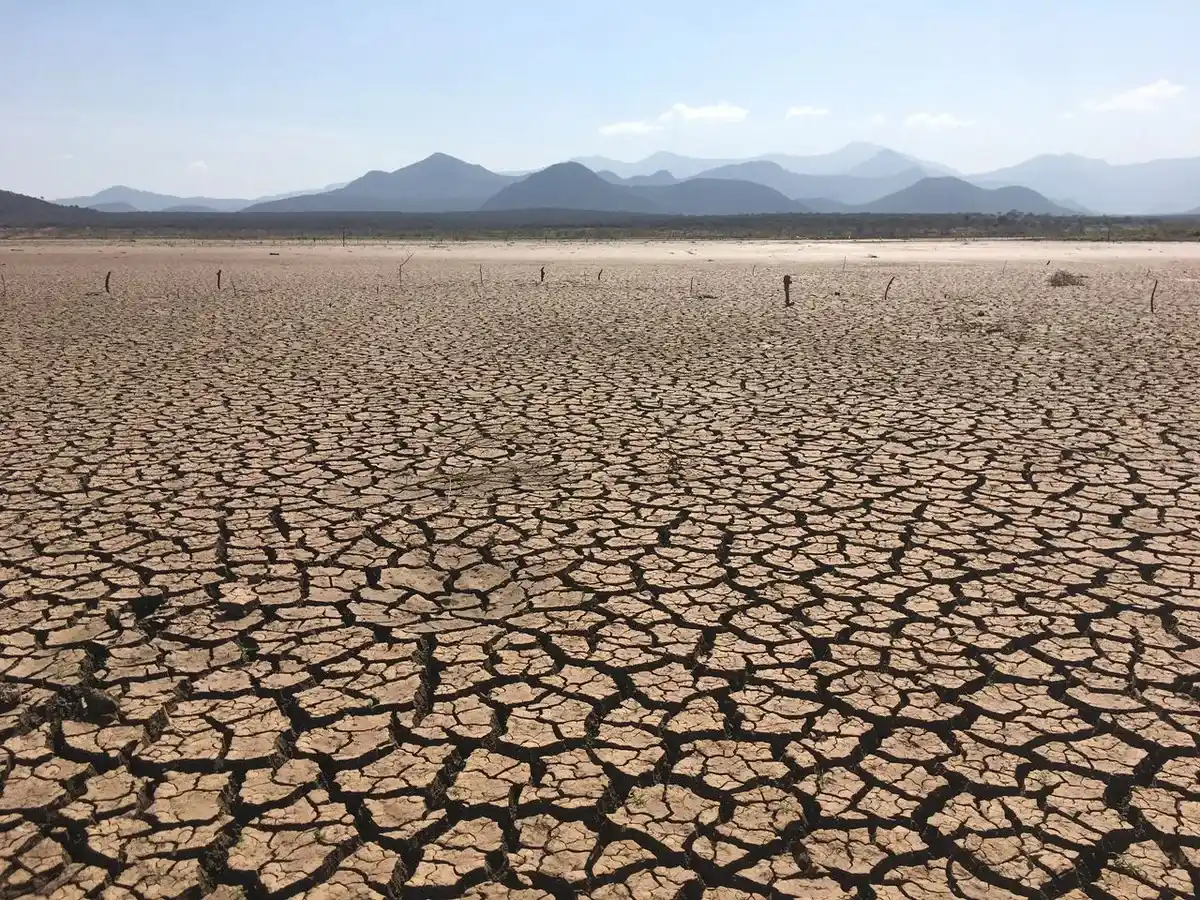
The process is not automatic, and the outcome is not the same everywhere. Some regions may experience conditions that benefit agriculture, while others may face drought, excessive rainfall, or unusual temperatures.
That is what makes El Niño economically important.
For investors and businesses, the real question is not simply whether El Niño is occurring. It is which regions and industries are exposed, how severe the disruption could be, and whether markets have already priced in the risk.
In 2026, that question has become particularly relevant as international climate agencies monitor strengthening El Niño conditions and their potential effects on weather patterns around the world.
What Is El Niño?
El Niño is a natural climate pattern in which sea-surface temperatures become unusually warm in the central and eastern tropical Pacific Ocean, influencing atmospheric circulation and weather patterns around the world.
It is part of a larger climate cycle known as the El Niño-Southern Oscillation (ENSO).
When El Niño develops, changes in ocean temperatures interact with the atmosphere and can alter normal weather patterns.
Depending on the location, this can mean:
- More rainfall
- Less rainfall
- Higher temperatures
- Changes in storm patterns
- Different agricultural conditions
The important point is that El Niño does not produce one identical weather outcome across the globe.
Its effects depend on geography, season, the strength of the event, and other climate factors.
How Does El Niño Turn Into an Economic Problem?
The connection between climate and economics becomes easier to understand when you follow the supply chain.
Imagine that unusual weather reduces the harvest of an important agricultural commodity.
The first effect is lower production.
If demand remains relatively strong, the available supply becomes tighter.
Commodity prices may then rise.
Food manufacturers and other businesses that use the commodity as an input may face higher costs.
Some companies may absorb those costs. Others may raise prices.
Consumers could eventually pay more.
That creates a chain like this:
Weather disruption
↓
Lower production
↓
Tighter supply
↓
Higher commodity prices
↓
Higher business costs
↓
Potentially higher consumer prices
This is one of the main ways El Niño can influence the economy.
However, the chain can break at any point. Large inventories, alternative suppliers, weaker demand, or favorable conditions in another producing region can reduce the impact.
Agriculture: The First Economic Channel to Watch
Agriculture is particularly sensitive to weather.
Farmers depend on predictable conditions for planting, growing, and harvesting crops.
El Niño can change rainfall and temperature patterns in major agricultural regions, potentially affecting production.
The effects can vary significantly by crop and location.
Some crops or regions may experience lower yields, while others may benefit from favorable weather.
This is why agricultural analysts do not simply ask, “Is there an El Niño?”
They ask:
- Which regions are affected?
- Which crops are exposed?
- How strong is the weather disruption?
- Are inventories sufficient?
- Can production be shifted elsewhere?
Those questions determine whether a weather event becomes a meaningful economic shock.
The U.S. Department of Agriculture has studied the relationship between ENSO conditions and agricultural production, showing that weather patterns can influence crops differently depending on location and season.
How Food Prices Can Respond
Food prices are one of the easiest ways for consumers to notice weather-related economic effects.
Consider coffee.
Coffee production is concentrated in specific parts of the world. If unfavorable weather affects a major producing region, the amount of coffee entering global markets can change.
A simplified chain could be:
Lower coffee production → tighter supply → higher coffee prices → higher costs for businesses → possible increases in retail prices
But a rise in commodity prices does not automatically mean consumers will see the same percentage increase at the store or coffee shop.
Businesses can respond in different ways.
They may:
- Use existing inventories
- Find alternative suppliers
- Reduce other costs
- Accept lower margins
- Raise prices
The final impact depends on how businesses and markets adjust.
The same principle can apply to other agricultural commodities such as corn, wheat, soybeans, sugar, and rice.
Can El Niño Cause Inflation?
El Niño can contribute to inflation pressure, but it is important not to overstate the connection.
Inflation is influenced by many forces, including consumer demand, wages, energy prices, housing costs, monetary policy, and supply conditions.
El Niño is primarily relevant when it creates a meaningful supply disruption.
For example:
A weather event reduces crop production.
↓
Commodity prices increase.
↓
Food manufacturers face higher input costs.
↓
Some businesses raise prices.
↓
Consumers pay more.
If the effect is large enough, it can contribute to food inflation.
But one weather event does not automatically create broad, persistent inflation.
Central banks also distinguish between temporary supply shocks and inflation that becomes widespread across the economy.
That distinction matters for investors because a short-term food price increase can have a very different economic consequence from a sustained inflation problem.
What El Niño Means for the US Economy
The United States can experience El Niño-related effects through agriculture, energy, food markets, consumer spending, and international trade.
US Agriculture
American farmers are exposed to changing weather conditions.
Potential economic effects include changes in:
- Crop yields
- Commodity prices
- Farm income
- Agricultural exports
- Input costs
The impact varies considerably by region and crop.
That means investors should avoid treating “El Niño” as a simple bullish or bearish signal for the entire agricultural sector.
Food and Consumer Prices
US households can feel the effects of agricultural disruptions through grocery stores and restaurants.
But American food prices are influenced by more than domestic farming.
The wider supply chain includes processing, transportation, labor, energy, and international trade.
A disruption in another country can therefore affect US businesses even when American farms are not directly affected.
Energy Demand
Weather patterns can also influence energy consumption.
Changes in temperatures can alter demand for heating and cooling.
Water availability can affect hydropower production in regions that rely on it.
These changes can influence electricity markets and the demand for other energy sources.
Consumer Spending
If essential household expenses rise, consumers may have less money available for discretionary purchases.
For example, higher grocery or utility bills could cause some households to reduce spending on:
- Restaurants
- Travel
- Entertainment
- Non-essential goods
That can create second-round effects for businesses.
El Niño and Energy Markets
Energy markets are influenced by weather, but the relationship is more complicated than simply saying El Niño causes energy prices to rise.
Temperature changes can affect electricity demand.
Drought can affect hydropower.
Weather-related disruptions can influence transportation and infrastructure.
At the same time, global oil and gas prices depend on much larger forces, including production levels, inventories, geopolitical developments, economic growth, and changes in demand.
For investors, El Niño should therefore be treated as one factor within a much larger energy-market picture.
The Supply Chain Connection
Globalization has made economies more interconnected.
A company can manufacture a product in one country, source components from several others, and sell the finished product around the world.
That creates efficiency, but it also creates exposure to disruptions.
Imagine a US food manufacturer that relies on an agricultural ingredient from a country experiencing severe weather.
The company could face:
- Higher raw-material costs
- Lower supply
- Delivery delays
- Pressure on profit margins
- The need to find alternative suppliers
A company with several suppliers may be able to adapt quickly.
A company dependent on a single source may have fewer options.
This is why climate risk is increasingly relevant to supply-chain planning.
Why El Niño Does Not Affect Every Country the Same Way
One of the most important points to understand is that El Niño has regional effects.
Asia-Pacific
Changes in rainfall can affect agriculture, water availability, and food production in parts of the region.
Because several economies are highly exposed to agriculture, the effects can extend into food prices and exports.
Latin America
Different parts of Latin America can experience different weather conditions during El Niño.
That can influence agricultural production, commodity exports, infrastructure, and local economic activity.
Australia
Agricultural conditions can be affected by changing rainfall patterns, making ENSO forecasts relevant to farmers and commodity markets.
United States
The effects vary across regions and seasons. Some areas may experience wetter conditions while others face different temperature or rainfall patterns.
Africa
Countries with economies heavily dependent on agriculture can be particularly sensitive to changes in rainfall and food production.
The World Meteorological Organization’s 2026 outlook highlights the importance of regional differences rather than treating El Niño as a uniform global weather event.
Why the 2026 El Niño Matters
The 2026 El Niño is particularly relevant because international climate agencies are monitoring its development and expected strengthening.
The World Meteorological Organization reported that El Niño conditions had developed in 2026 and were expected to strengthen, with the August-October period expected to experience a strong El Niño influence. The organization also highlighted significant regional differences in rainfall and temperature patterns.
For the economy, this does not mean that a global recession or major inflation wave is inevitable.
Instead, it means businesses and investors have another risk factor to monitor.
The actual economic outcome will depend on:
- Where weather disruptions occur
- How long they last
- Which crops and industries are exposed
- Existing inventories
- Global demand
- The ability of businesses to find alternatives
In other words, the economic consequences matter more than the climate headline itself.
What Investors Should Watch During El Niño
El Niño can create opportunities and risks across several markets, but investors should avoid using it as a standalone trading signal.
Instead, several indicators can provide a clearer picture.
Commodity Prices
Investors can monitor agricultural commodities such as:
- Coffee
- Corn
- Wheat
- Soybeans
- Sugar
Large or sustained price movements can signal changing expectations about supply.
Crop Reports
Weather forecasts alone are not enough.
Investors should also follow:
- Production estimates
- Crop conditions
- Harvest forecasts
- Export data
- Inventory levels
Food Company Margins
Higher agricultural costs can put pressure on food producers and restaurants.
If companies cannot pass those costs on to customers, profit margins may decline.
Energy Demand
Investors can monitor changes in electricity demand, hydropower conditions, and broader energy-market developments.
Inflation Data
If food and energy prices begin rising, investors can watch whether those increases remain concentrated in a few categories or spread more broadly through the economy.
This distinction can be more important than the El Niño event itself.
What Businesses Can Learn From El Niño
El Niño is not only an issue for investors.
It also offers an important lesson for business owners.
A company does not need to be a farmer to be exposed to climate-related risks.
A restaurant depends on food suppliers.
A manufacturer depends on raw materials.
A retailer depends on transportation networks.
A global company may depend on suppliers across several continents.
That makes preparation important.
Diversify Suppliers
Relying on a single supplier can increase vulnerability.
Multiple suppliers can provide alternatives when one source experiences disruption.
Monitor Early Warnings
Businesses can track weather forecasts and climate information to identify potential risks before they become supply problems.
The WMO emphasizes the value of early warning systems and climate information for helping communities and economic sectors prepare for climate-related risks.
Review Inventory Strategy
Companies selling products exposed to supply disruptions may need to reconsider inventory levels and purchasing schedules.
Build Flexible Operations
Businesses with flexible sourcing and logistics systems may be better positioned to adapt when conditions change.
El Niño vs. La Niña
El Niño and La Niña are opposite phases of the broader ENSO climate pattern, but their effects are not simply identical opposites in every location.
| El Niño | La Niña |
| Warmer-than-normal sea-surface temperatures in the central and eastern tropical Pacific | Cooler-than-normal sea-surface temperatures in the same broad region |
| Alters atmospheric circulation and global weather patterns | Also alters atmospheric circulation and global weather patterns |
| Can increase the likelihood of drought in some regions | Can create different rainfall and temperature patterns |
| Can affect agriculture and commodity markets | Can also affect agriculture and commodity markets |
| Economic effects depend on location and season | Economic effects also depend on location and season |
For businesses and investors, both phases are worth monitoring because either can change agricultural, energy, and supply-chain conditions.
Is El Niño Bad for the Global Economy?
Not necessarily.
This is one of the easiest conclusions to get wrong.
El Niño can create both winners and losers.
A drought that hurts one agricultural region may benefit another region through different weather conditions.
A food company facing higher ingredient costs may struggle, while an agricultural supplier in another market may benefit from stronger demand.
The overall effect depends on the scale and location of the disruption.
Key factors include:
- Strength of El Niño
- Duration
- Geographic exposure
- Commodity inventories
- Global demand
- Supply-chain flexibility
- Existing economic conditions
So it is better to think of El Niño as a source of economic disruption and changing opportunities, rather than automatically labeling it good or bad for the global economy.
What This Means for Americans
For most Americans, El Niño is unlikely to appear as a line item on a household budget.
Its effects are more likely to arrive indirectly.
Consumers may notice changes in:
- Grocery prices
- Coffee prices
- Energy bills
- Restaurant prices
- Travel conditions
But it is important not to blame every price movement on El Niño.
Food and energy prices are influenced by many other factors, including production, transportation, labor, global demand, and government policy.
The practical takeaway is simple:
Weather can become an economic factor, even when consumers never see the original cause.
How El Niño Can Influence Financial Markets
Financial markets often move on expectations rather than confirmed economic damage.
Suppose investors expect a major coffee-producing region to experience a severe weather disruption.
Commodity prices may rise before the harvest data confirms a shortage.
If later reports show that the disruption is smaller than expected, prices could reverse.
This creates an important distinction:
What happens matters, but what markets expected to happen matters too.
For investors, this means an El Niño forecast should not automatically be interpreted as a reason to buy or sell a particular asset.
The better approach is to examine how the event could affect supply, prices, company earnings, and market expectations.
The Bigger Economic Lesson
El Niño demonstrates something important about the modern economy.
Economic systems do not operate separately from the physical world.
A change in ocean temperatures can influence weather.
Weather can affect agriculture.
Agriculture can affect commodity prices.
Commodity prices can affect business costs.
Business costs can affect consumer prices.
Consumer prices can influence household spending.
And changes in business earnings and consumer demand can eventually influence financial markets.
That chain explains why investors and business leaders increasingly need to look beyond traditional economic indicators.
Interest rates and inflation still matter.
But so do climate conditions, supply chains, energy markets, technology, and global production.
Frequently Asked Questions
1. How does El Niño affect the global economy?
El Niño can influence the global economy by changing weather patterns that affect agriculture, commodity supplies, energy demand, supply chains, and consumer prices. The size of the impact depends on the regions and industries affected.
2. Can El Niño increase food prices?
Yes. If unfavorable weather reduces production of an important agricultural commodity, tighter supply can place upward pressure on prices. However, inventories, alternative suppliers, and consumer demand can reduce or amplify the effect.
3. Does El Niño always cause inflation?
No. El Niño can create temporary price pressure, particularly in food and energy, but it does not automatically cause broad or persistent inflation.
4. How does El Niño affect the US economy?
The effects can appear through agriculture, food prices, energy demand, commodity markets, consumer spending, and international supply chains.
5. Which industries are most affected by El Niño?
Agriculture is one of the most directly exposed sectors. Food production, energy, transportation, retail, and insurance can also experience indirect effects.
6. Can El Niño affect stock markets?
Yes, indirectly. If El Niño changes commodity prices, company costs, inflation expectations, or economic forecasts, investors may adjust their expectations for affected companies and sectors.
7. Should investors buy commodities during El Niño?
Not automatically. Investors should consider supply forecasts, inventories, demand, market valuations, and expectations rather than using El Niño alone as an investment signal.
8. Is El Niño happening in 2026?
Yes. The World Meteorological Organization reported the development of El Niño conditions in 2026 and expected the event to strengthen, with significant regional weather effects during the August-October period.
Final Thoughts
El Niño shows how closely the natural world and the global economy are connected.
A change in Pacific Ocean temperatures can influence weather patterns thousands of miles away. Those weather changes can affect farms, commodity markets, businesses, consumers, and eventually financial markets.
But the economic impact is not uniform.
Some regions may face agricultural losses while others experience favorable conditions. Some companies may struggle with higher costs, while others may benefit from changing demand.
For investors, the smartest approach is not to treat El Niño as a simple market prediction.
Instead, follow the economic chain:
Weather → Production → Supply → Prices → Business costs → Consumer behavior → Markets
That framework provides a much clearer way to understand the economic importance of El Niño.
And as the 2026 El Niño develops, businesses, investors, and consumers have another reason to pay attention to the connection between climate conditions and economic activity.
Author Note: This article is crafted by “The Economic Reader editorial team”, dedicated to analyzing the latest market trends, financial updates, and global economic shifts to keep you informed with accurate and comprehensive insights.
Disclaimer: The information provided on this website is for educational and informational purposes only and should not be construed as professional financial, investment, or legal advice. Always consult with a certified financial advisor or professional before making any financial decisions based on this content.