
What Is Globalization? A Beginner’s Guide to Global Trade, Business, and the World Economy
What Is Globalization: Introduction
The world economy has become more connected than ever before.
A smartphone designed in one country may contain components manufactured in several other countries. A clothing brand may produce products overseas and sell them worldwide. A company in the United States may have employees, suppliers, and customers across different continents.
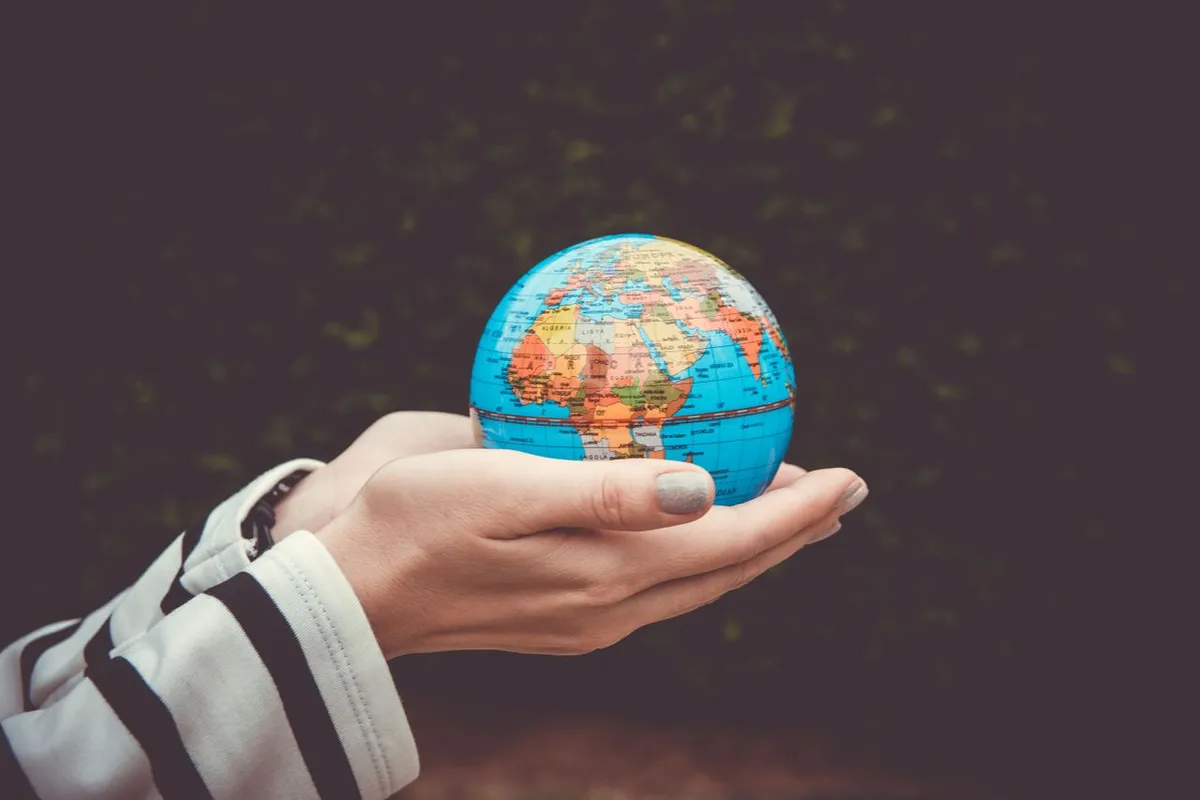
This increasing connection between countries is known as globalization.
Globalization has transformed the way businesses operate, how countries trade, and how consumers access products and services.
It affects:
- International trade
- Business growth
- Supply chains
- Technology
- Employment
- Economic development
- Consumer choices
The simple idea is:
Globalization is the process of countries, businesses, and people becoming more connected through trade, investment, technology, communication, and cultural exchange.
In this guide, we will explain what globalization is, how it works, its advantages and disadvantages, and how it influences the modern global economy.
What Is Globalization?
Globalization refers to the increasing connection and interaction between countries through economic, social, technological, and cultural activities.
It allows countries to exchange:
- Goods
- Services
- Money
- Technology
- Knowledge
- Ideas
Example:
A company may:
- Design a product in the United States
- Manufacture parts in Asia
- Assemble products in another country
- Sell worldwide through online platforms
This entire process is an example of globalization.
How Does Globalization Work?
Globalization happens through several major connections between countries.
Trade is one of the biggest drivers of globalization.
Countries exchange products and services based on their strengths.
Examples:
- A country with strong agriculture exports food.
- A country with advanced technology exports electronics.
International trade allows consumers to access products from around the world.
2. Foreign Investment
Foreign investment occurs when companies or individuals invest money in businesses or projects in another country.
Examples:
- Building factories overseas
- Opening international offices
- Investing in foreign companies
Foreign investment can help countries create:
- Jobs
- New industries
- Economic growth
Modern products often involve multiple countries.
Example:
A car may include:
- Raw materials from one country
- Parts from several countries
- Assembly in another country
- Sales worldwide
Global supply chains allow businesses to reduce costs and improve efficiency.
4. Technology and Communication
Technology has accelerated globalization.
The internet allows:
- Instant communication
- Online business
- Global financial transactions
- Remote work
Companies can now operate internationally more easily than before.
5. Movement of People and Ideas
Globalization also involves the movement of:
- Workers
- Students
- Researchers
- Entrepreneurs
People share knowledge, skills, and cultural experiences across borders.
History of Globalization
Globalization did not happen overnight. It developed over centuries.
1. Early Trade Routes
Ancient trade networks connected civilizations.
Examples:
- Silk Road
- Maritime trade routes
These routes allowed countries to exchange:
- Goods
- Culture
- Knowledge
2. Industrial Revolution
The Industrial Revolution increased production capacity.
Factories could produce more goods, creating greater demand for:
- Raw materials
- International markets
3. Modern Transportation
Advances in transportation made global trade faster and cheaper.
Examples:
- Container shipping
- Air transportation
- Modern logistics systems
4. Digital Globalization
The internet created a new era of globalization.
Businesses can now:
- Sell globally online
- Communicate instantly
- Provide digital services worldwide
Main Types of Globalization
Globalization has several forms.
1. Economic Globalization
Economic globalization refers to the connection of national economies through:
- Trade
- Investment
- Financial markets
- Global businesses
This is the most commonly discussed type of globalization.
2. Technological Globalization
Technology allows countries to share:
- Information
- Innovation
- Digital services
Examples:
- Cloud computing
- Artificial intelligence
- Online platforms
3. Cultural Globalization
Cultural globalization involves the spread of:
- Languages
- Food
- Entertainment
- Lifestyle trends
Examples:
- International movies
- Global music
- Worldwide brands
4. Political Globalization
Political globalization involves cooperation between countries through:
- International organizations
- Agreements
- Global policies
Why Is Globalization Important?
Globalization has a major impact on economies and businesses.
1. Supports Economic Growth
Globalization allows countries to:
- Expand markets
- Increase exports
- Attract investment
Businesses can reach customers beyond their domestic markets.
2. Creates More Product Choices
Consumers benefit from access to products from different countries.
Examples:
- International brands
- Foreign foods
- Advanced technology products
3. Reduces Production Costs
Companies can produce goods in locations where they have advantages.
Examples:
- Lower production costs
- Skilled workers
- Better resources
These savings can sometimes lead to lower prices for consumers.
4. Encourages Innovation
Global competition encourages companies to improve:
- Products
- Services
- Technology
Businesses must innovate to compete internationally.
5. Increases International Cooperation
Countries often work together on:
- Trade agreements
- Economic policies
- Global challenges
Advantages of Globalization
1. More Economic Opportunities
Globalization can create:
- New businesses
- Foreign investment
- Employment opportunities
2. Access to New Markets
Companies can sell products and services internationally.
A small business can now reach customers worldwide through online platforms.
3. Faster Technology Development
Countries can share:
- Research
- Knowledge
- Innovation
This helps technological progress.
4. Lower Prices for Consumers
Global competition can reduce prices by encouraging companies to improve efficiency.
5. Better Resource Allocation
Countries can specialize in industries where they have advantages.
Example:
A country with strong agricultural resources can focus on farming and food exports.
Disadvantages of Globalization
Although globalization creates many benefits, it also creates challenges.
1. Job Displacement
Some industries may lose jobs because companies move production to lower-cost locations.
Example:
A manufacturing company may move factories overseas to reduce expenses.
2. Income Inequality
The benefits of globalization may not be equally distributed.
Some workers and industries benefit more than others.
3. Supply Chain Risks
Global supply chains can become vulnerable.
Problems in one country can affect businesses worldwide.
Examples:
- Natural disasters
- Political conflicts
- Trade restrictions
4. Environmental Concerns
Increased global production and transportation can contribute to:
- Higher emissions
- Resource consumption
- Environmental pressure
Globalization vs International Trade
| Globalization | International Trade |
| Broader connection between countries | Exchange of goods and services |
| Includes trade, technology, investment, and culture | Mainly focuses on buying and selling products. |
| Affects many areas of society | Focuses mainly on economic exchange |
International trade is one important part of globalization.
How Globalization Affects Businesses
Businesses are among the biggest participants in globalization.
Benefits include:
Larger Markets
Companies can sell products worldwide.
Lower Costs
Businesses can access international suppliers.
More Talent
Companies can hire skilled workers globally.
Increased Competition
Businesses must improve to compete internationally.
How Globalization Affects Consumers
Consumers experience globalization through:
- More product choices
- International brands
- Lower prices
- New technologies
Example:
A consumer in the United States can purchase products made in many different countries through online marketplaces.
How Globalization Affects Developing Countries
Globalization can create opportunities for developing economies.
Potential benefits:
- Foreign investment
- New industries
- Job creation
- Technology transfer
However, challenges include:
- Dependence on foreign companies
- Unequal economic benefits
- Pressure on local industries
Role of Technology in Globalization
Technology has become one of the strongest forces behind globalization.
Important technologies include:
Internet
Connects businesses and consumers globally.
Improves:
- Business decisions
- Automation
- Global operations
Digital Payments
Allows faster international transactions.
E-Commerce
Allows businesses to sell products worldwide.
Globalization and Supply Chains
Globalization has created complex international supply chains.
A product may involve multiple countries before reaching customers.
Example:
A laptop may include:
- Design from one country
- Chips from another country
- Manufacturing in another location
- Global distribution
This improves efficiency but also creates dependence between countries.
Globalization and Economic Growth
Globalization can influence economic growth by increasing:
- Trade
- Investment
- Productivity
- Innovation
Countries that successfully participate in global markets may experience faster economic development.
However, governments must manage challenges such as:
- Worker protection
- Environmental impact
- Economic inequality
Future of Globalization in 2026
Globalization continues to evolve.
Future trends include:
1. Digital Globalization
Online services and digital businesses will continue expanding globally.
2. More Resilient Supply Chains
Businesses are focusing on reducing dependence on single suppliers.
3. Sustainable Global Business
Companies are paying more attention to:
- Environmental responsibility
- Ethical production
- Sustainable practices
4. Artificial Intelligence and Automation
AI will transform global business operations by improving:
- Productivity
- Forecasting
- Decision-making
Real-World Examples of Globalization
Technology Industry
Technology companies often operate globally.
Products may involve:
- International research
- Global manufacturing
- Worldwide sales
Automobile Industry
Cars are often produced through international cooperation.
Different countries may provide:
- Parts
- Labor
- Technology
Food Industry
Global food supply chains allow consumers to access products from different regions.
Examples:
- Coffee
- Fruits
- Spices
Common Misunderstandings About Globalization
1. Globalization Only Means Trade
Globalization includes much more than trade.
It also involves:
- Technology
- Investment
- Culture
- Communication
2. Globalization Benefits Everyone Equally
The benefits and challenges of globalization can vary between countries, industries, and workers.
3. Globalization Is a New Concept
Global connections have existed for centuries, but technology has accelerated them.
Frequently Asked Questions (FAQ)
1. What is globalization in simple words?
Globalization is the increasing connection between countries through trade, technology, investment, and communication.
2. Why is globalization important?
It helps countries exchange goods, develop technology, grow businesses, and create economic opportunities.
3. What are examples of globalization?
Examples include international companies, global supply chains, online businesses, and worldwide trade.
4. Is globalization good or bad?
Globalization has both benefits and challenges. Its impact depends on how countries and businesses manage it.
5. How does globalization affect consumers?
It gives consumers more choices, access to global products, and often lower prices.
Final Thoughts
Globalization has changed the way the world economy operates.
Countries, businesses, and people are now more connected than ever through:
- Trade
- Technology
- Investment
- Communication
Globalization creates opportunities for economic growth, innovation, and international cooperation. However, it also creates challenges such as inequality, supply chain risks, and environmental concerns.
Understanding globalization is important because it helps investors, business owners, and consumers understand how global events influence everyday economic decisions.
In the modern world, no economy operates completely alone. Global connections shape the future of business and economic growth.
If you want to learn What Is GDP is, read our full guide; click here.
If you want to learn How Do Global Companies Work, read our full guide; click here.
Author Note: This article is crafted by “The Economic Reader editorial team”, dedicated to analyzing the latest market trends, financial updates, and global economic shifts to keep you informed with accurate and comprehensive insights.
Disclaimer: The information provided on this website is for educational and informational purposes only and should not be construed as professional financial, investment, or legal advice. Always consult with a certified financial advisor or professional before making any financial decisions based on this content.