
How Climate Change Affects the Economy: Understanding the Economic Impact of a Changing Climate
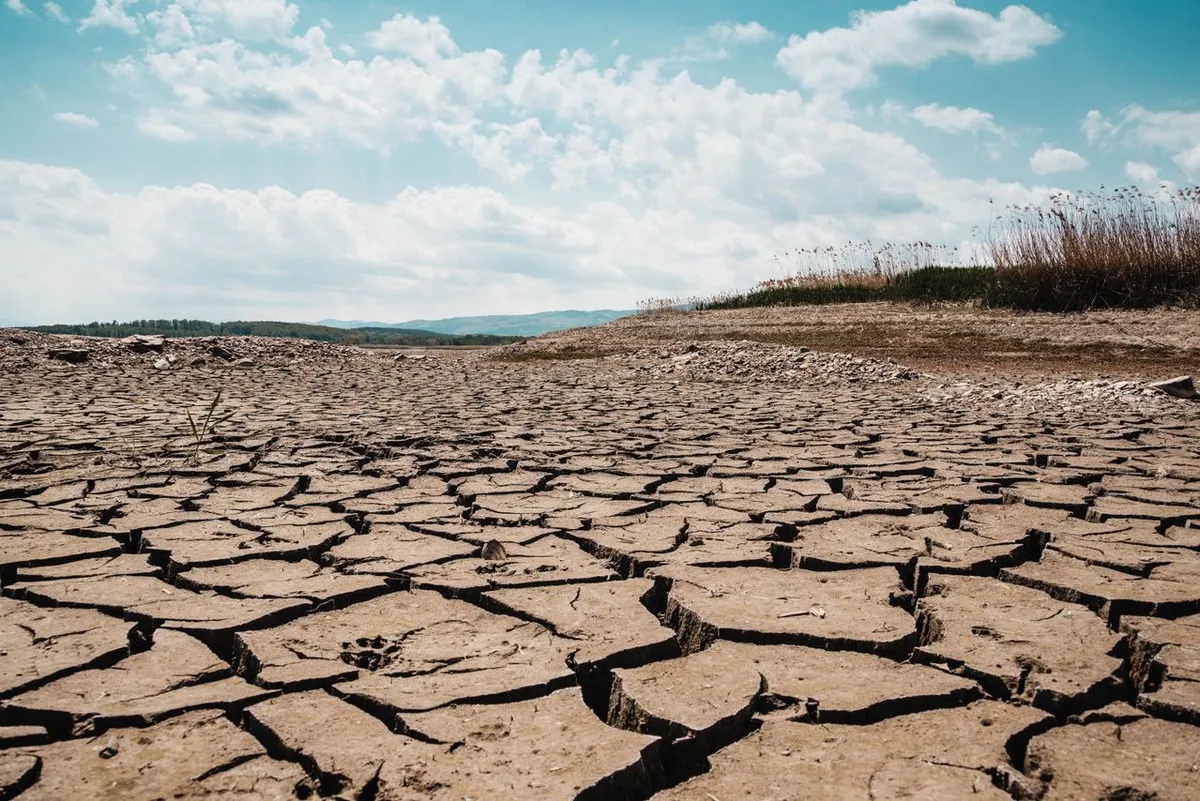
How Climate Change Affects the Economy
Climate change is often discussed as an environmental problem, but its effects extend far beyond rising temperatures and changing weather patterns.
When floods damage infrastructure, droughts reduce agricultural output, or extreme heat makes working conditions more difficult, the consequences can spread through businesses, households, governments, and financial markets.
That makes climate change an economic issue as well as an environmental one.
The effects can appear in many forms:
- Higher food and energy costs
- Damage to homes, factories, and infrastructure
- Disrupted supply chains
- Higher insurance costs
- Lower productivity
- Changes in investment decisions
- New demand for clean technologies
The economic impact is not the same everywhere. It depends on the type of climate risk, the industry involved, and how well businesses and governments can adapt.
According to the World Bank, climate change can affect economic development through its effects on livelihoods, infrastructure, natural resources, and productivity.
Understanding these connections helps explain how climate change affects the economy and why the issue matters to investors, businesses, policymakers, and consumers.
Climate Change in Economic Terms
Climate change refers to long-term changes in temperature and weather patterns. Human activities, particularly the burning of fossil fuels, have been the main driver of recent global warming, according to the Intergovernmental Panel on Climate Change (IPCC).
From an economic perspective, the important question is not simply whether temperatures are rising.
The bigger question is:
What happens to economic activity when the physical conditions businesses and households depend on become less predictable?
Modern economies rely on functioning infrastructure, reliable energy, agricultural production, transportation networks, water supplies, and stable financial systems.
When climate-related disruptions affect these foundations, economic costs can follow.
From a Climate Event to an Economic Cost
The connection between climate change and the economy becomes easier to understand when viewed as a chain.
Consider a severe drought.
A drought can reduce agricultural production. Lower production can tighten food supply. Businesses may face higher input costs, while consumers may pay more for affected products.
The same pattern can occur elsewhere.
A major flood can damage a factory → production falls → suppliers receive fewer orders → workers may lose income → businesses face repair costs → consumers may eventually face higher prices.
This means the economic effect of climate change is often indirect as well as direct.
The initial environmental event may occur in one location, while its economic consequences spread through prices, trade, employment, and supply chains.
Agriculture Is One of the Clearest Examples
Agriculture depends heavily on temperature, rainfall, water availability, and soil conditions.
Changes in these conditions can affect crop yields and farming costs.
This can create economic pressure at several levels.
Farmers may experience lower production or higher irrigation and input costs. Food processors may face more expensive raw materials. Retailers may adjust prices. Consumers may ultimately pay more.
The effects can be particularly important for economies where agriculture represents a large share of employment or income.
Climate-related agricultural shocks can therefore influence not only food security but also inflation, household spending, trade, and rural incomes.
Climate Change Can Influence Inflation
One of the most important economic questions is whether climate change can contribute to inflation.
The answer is yes, under certain circumstances.
Climate-related disruptions can affect prices through several channels.
Food Prices
Droughts, floods, heatwaves, and other disruptions can reduce agricultural output.
If demand remains relatively stable while supply falls, prices can rise.
Energy Costs
Extreme weather can disrupt energy production or increase electricity demand.
For example, periods of extreme heat can increase demand for cooling, putting additional pressure on electricity systems.
Production and Transportation
Businesses affected by damaged infrastructure, disrupted suppliers, or higher transportation costs may face increased operating expenses.
Some of these costs can eventually be passed on to consumers.
However, climate change does not automatically cause broad inflation every year. The effect depends on the size and duration of the disruption, market conditions, government responses, and the ability of businesses to adapt.
Businesses Face Two Different Types of Climate Risk
For companies, climate risk is broader than physical damage.
A useful way to think about it is through physical risk and transition risk.
Physical Risk
Physical risk comes directly from changes in climate and extreme weather.
Examples include:
- Flooding
- Wildfires
- Extreme heat
- Storms
- Drought
- Rising sea levels
A company could face property damage, production interruptions, higher maintenance costs, or supply shortages.
Transition Risk
Transition risk comes from the economic shift toward lower-emission technologies and business models.
Governments may introduce new regulations. Consumers may change purchasing habits. New technologies may make older products or production methods less competitive.
A company heavily dependent on an emissions-intensive business model could therefore face financial pressure even without experiencing direct physical damage.
This distinction is increasingly important when investors evaluate long-term corporate risk.
Supply Chains Can Become More Vulnerable
Global supply chains connect businesses across countries and continents.
A manufacturer may depend on raw materials from one country, components from another, and transportation infrastructure in several others.
Climate-related disruption at one point in that network can affect businesses much farther away.
For example, flooding around an important transportation hub could delay shipments. A shortage of components could then slow manufacturing, increasing delivery times and costs.
Businesses can respond by:
- Diversifying suppliers
- Holding strategic inventories
- Moving or protecting vulnerable facilities
- Improving climate-risk planning
- Using technology to monitor supply chains
This is one reason climate resilience is increasingly becoming part of business strategy rather than simply an environmental concern.
Infrastructure and Productivity Matter Too
Roads, bridges, ports, electricity networks, water systems, and buildings support economic activity.
Damage to this infrastructure can create large economic costs.
There is also a less visible effect: productivity.
Extreme heat can make some outdoor and physically demanding work more difficult. If workers cannot operate safely or efficiently, output can decline.
The International Labour Organization has highlighted the relationship between excessive heat and working conditions, particularly for workers exposed to high temperatures.
Lower productivity can affect business revenue and, over time, economic growth.
Insurance Markets Are Also Changing
Insurance provides an important financial mechanism for managing risks from disasters.
But when the frequency or severity of losses increases, insurers may face higher claims and greater uncertainty.
This can lead to changes in:
- Insurance premiums
- Coverage
- Underwriting standards
- Availability of insurance in high-risk areas
The consequences can extend into property markets.
If insurance becomes significantly more expensive or difficult to obtain, the cost of owning property in vulnerable locations can increase. That can influence property values, construction decisions, mortgage markets, and household finances.
Real Estate Faces Both Risk and Opportunity
Climate change creates different consequences for different properties.
Buildings in areas exposed to flooding, wildfires, extreme heat, or coastal risks may face greater physical and financial exposure.
Property owners may need to invest in:
- Flood protection
- Cooling systems
- Stronger building materials
- Drainage improvements
- Fire protection
At the same time, climate adaptation can create demand for construction, engineering, infrastructure, and specialized technologies.
This means climate change can create both economic costs and new markets.
For a broader look at property as an investment, see Economic Reader’s What Is Real Estate Investing?.
Energy Markets Are Being Reshaped
Climate change is also changing the economics of energy.
Traditional energy markets remain important, but governments, businesses, and investors are putting increasing attention on technologies such as:
- Solar power
- Wind energy
- Battery storage
- Electric transportation
- Energy-efficiency systems
The International Energy Agency (IEA) tracks the continuing expansion of renewable energy and its growing role in global energy systems.
This transition creates opportunities for companies involved in clean energy infrastructure, equipment, software, storage, and related services.
However, investors should distinguish between industry growth and investment returns. A growing industry does not guarantee that every company operating within it will be profitable or that its stock will rise.
Climate Change and Economic Growth
Economic growth depends on the ability of an economy to produce more goods and services efficiently.
Climate-related damage can interfere with that process.
Potential channels include:
Lower productivity: Extreme heat and difficult working conditions can reduce output.
Capital damage: Floods, storms, fires, and other events can destroy productive assets.
Higher adaptation costs: Businesses and governments may need to spend more on climate resilience.
Reduced agricultural productivity: Changes in temperature and water availability can affect food production.
Investment uncertainty: Greater uncertainty can make long-term investment decisions more difficult.
At the same time, climate adaptation and the transition to cleaner technologies can generate new investment and employment.
The economic outcome therefore depends not only on the physical effects of climate change but also on how effectively economies respond.
Developing Economies Can Face Greater Challenges
Climate change does not affect all economies equally.
Countries with high exposure to agriculture, limited infrastructure, fewer financial resources, or greater exposure to extreme weather can face particularly difficult challenges.
A climate-related shock can affect several parts of the economy simultaneously:
Agriculture → household income → consumer spending → business activity → government finances
This can make recovery more difficult when governments and households have limited resources.
The World Bank has emphasized the importance of adaptation and resilience for protecting development gains in climate-vulnerable economies.
Climate Change Also Creates New Economic Opportunities
The economic discussion should not focus only on losses.
Major transitions can create new industries, products, and services.
Climate-related opportunities include:
Clean Energy
Solar, wind, geothermal, and other renewable technologies can create demand for equipment, infrastructure, financing, and technical services.
Energy Storage
Battery storage can help electricity systems manage variable renewable generation and changing demand.
Climate-Resilient Infrastructure
Buildings, transportation networks, water systems, and energy infrastructure increasingly need to be designed for changing climate conditions.
Energy Efficiency
Businesses have incentives to reduce energy consumption when doing so can lower costs and improve resilience.
Climate Technology
Software, sensors, forecasting tools, advanced materials, and other technologies can help companies measure and manage climate-related risks.
These opportunities explain why climate change has become an important theme in both corporate strategy and investment research.
What Climate Change Means for Investors
Investors do not need to predict exactly what the climate will look like decades from now.
Instead, they can consider how climate-related risks and opportunities could affect individual businesses.
Questions worth asking include:
- Is the company’s physical infrastructure exposed to climate risks?
- Does it depend on vulnerable suppliers?
- Could new regulations affect its costs?
- Is demand for its products likely to change?
- Does the company have the financial resources to adapt?
- Could climate-related technologies create new revenue opportunities?
For investors interested in sustainable investing, Economic Reader’s What Is ESG Investing? provides additional background on how environmental, social, and governance factors can be considered in investment analysis.
How Governments Respond
Governments influence the economic effects of climate change through both adaptation and mitigation policies.
Adaptation focuses on reducing the damage caused by climate impacts.
Examples include:
- Flood defenses
- Stronger infrastructure
- Water-management systems
- Early-warning systems
- Climate-resilient public facilities
Mitigation focuses on reducing greenhouse gas emissions.
Examples include:
- Renewable energy policies
- Energy-efficiency standards
- Emissions regulations
- Clean transportation policies
- Support for low-carbon technologies
These policies can change investment incentives and affect the competitiveness of different industries.
For businesses, understanding policy direction can therefore be as important as understanding the physical climate risk itself.
The Economic Impact Will Depend on Adaptation
One of the most important points is that climate change does not produce one fixed economic outcome.
The final impact depends partly on how societies respond.
Businesses can strengthen supply chains. Governments can improve infrastructure. Financial institutions can improve risk assessment. Investors can consider long-term climate exposure when allocating capital.
Adaptation cannot eliminate climate risk, but it can reduce the economic damage associated with some climate-related events.
This is why climate resilience is becoming an increasingly important economic concept.
Frequently Asked Questions
1. How does climate change affect the economy?
Climate change can affect the economy through damage to infrastructure, lower productivity, agricultural disruptions, higher costs, supply-chain problems, and changes in investment and consumer behavior.
2. Can climate change cause inflation?
Climate change can contribute to inflation when climate-related disruptions reduce the supply of food, energy, or other goods or increase production and transportation costs. It is one potential source of price pressure rather than a permanent cause of inflation.
3. Which industries are most exposed to climate change?
Agriculture, energy, insurance, real estate, transportation, tourism, manufacturing, and other resource-dependent industries can face significant exposure, although the specific risks vary by company and location.
4. How does climate change affect businesses?
Businesses can face physical damage, supply-chain disruptions, higher insurance and operating costs, changing regulations, and shifts in customer demand. At the same time, climate-related transitions can create new markets and revenue opportunities.
5. Why does climate change matter to investors?
Climate-related risks can influence a company’s costs, assets, revenue, growth opportunities, and long-term competitiveness. Investors may therefore consider climate exposure as part of broader investment analysis.
6. Can climate change create economic opportunities?
Yes. The transition toward cleaner energy and greater climate resilience can create opportunities in renewable energy, batteries, infrastructure, energy efficiency, transportation, and climate technology.
Looking Ahead
Climate change is likely to remain an important economic force because it interacts with many of the systems that support modern economies.
Its effects can appear in food prices, energy markets, insurance, property values, business costs, supply chains, productivity, and investment decisions.
But the economic story is not simply about damage.
The response to climate change is also creating new industries, technologies, infrastructure projects, and investment opportunities.
For businesses and investors, the most useful approach is therefore not to view climate change only as an environmental issue. It is a factor that can influence costs, risks, demand, capital allocation, and long-term growth.
Understanding those connections can help investors, entrepreneurs, policymakers, and consumers make more informed decisions as the global economy adapts to a changing climate.
Continue Learning…
If you’d like to explore this topic further, check out these related guides from Economic Reader:
- What Is Sustainable Development? – A Complete Guide to Building a Better Future.
- How Inflation Affects Housing Prices? – The Connection Between Inflation, Mortgage Rates, and Home Affordability.
Author Note: This article is crafted by “The Economic Reader editorial team”, dedicated to analyzing the latest market trends, financial updates, and global economic shifts to keep you informed with accurate and comprehensive insights.
Disclaimer: The information provided on this website is for educational and informational purposes only and should not be construed as professional financial, investment, or legal advice. Always consult with a certified financial advisor or professional before making any financial decisions based on this content.