What Is a Credit Card? A Beginner’s Guide to How Credit Cards Work
Introduction
Credit cards are one of the most common financial tools in the modern world.
Millions of people use credit cards every day to:
- Buy products and services
- Pay bills
- Earn rewards
- Build credit history
- Manage short-term expenses
However, many people do not fully understand how credit cards work.
Some people see credit cards as a convenient financial tool, while others see them as a source of debt.
The truth is:
A credit card is neither automatically good nor bad.
The way someone uses a credit card determines whether it becomes a helpful financial tool or a financial burden.
Used responsibly, a credit card can help people build a strong credit profile and manage money effectively.
Used incorrectly, it can create expensive debt through high-interest charges.
In this guide, we will explain what a credit card is, how it works, different types of credit cards, benefits, risks, and how beginners can use credit cards responsibly.
What Is a Credit Card?
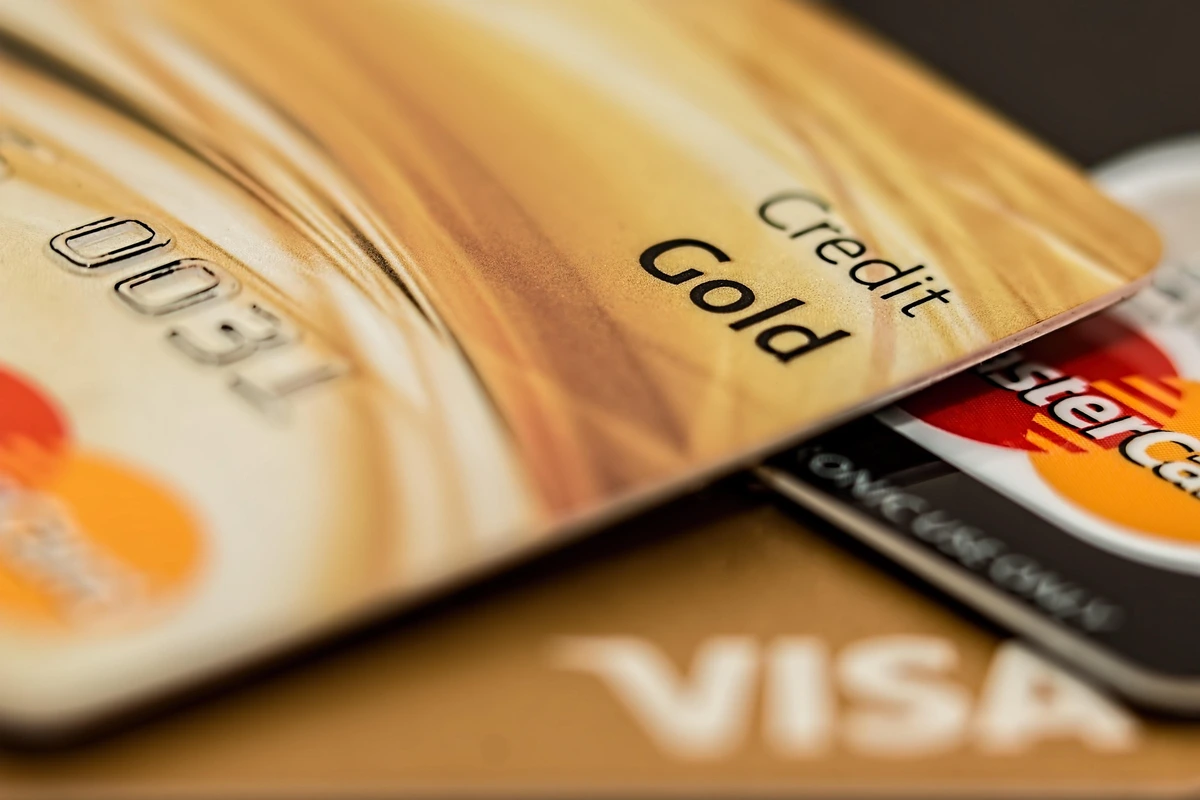
A credit card is a financial tool that allows you to borrow money from a bank or financial institution to make purchases and repay the borrowed amount later.
In simple words:
A credit card gives you access to a limited amount of borrowed money called a credit limit.
You can use that money to pay for purchases, but you must repay it according to the card agreement.
Unlike a debit card, which uses money directly from your bank account, a credit card uses borrowed money from the card issuer.
How Does a Credit Card Work?
To understand what is a credit card, it helps to know that it works through a simple borrowing system.
1. Credit Limit
Every credit card has a maximum spending amount called a credit limit.
Example:
A bank approves a credit card with a $5,000 limit.
This means the cardholder can borrow up to $5,000 for purchases.
The limit depends on factors such as:
- Income
- Credit history
- Existing debt
- Financial profile
2. Making Purchases
When you use a credit card:
- The bank pays the merchant
- You owe the bank that amount
Example:
You buy a laptop worth $1,000 using a credit card.
The store receives payment from the card company.
You now owe $1,000 to the credit card issuer.
3. Billing Cycle
Credit cards operate through billing cycles.
A billing cycle is a period during which purchases are recorded.
At the end of the cycle, the card issuer sends a statement showing:
- Total spending
- Minimum payment
- Due date
- Interest charges (if applicable)
4. Repayment
You usually have several payment options:
Pay the Full Balance
You pay the entire amount you owe.
Benefits:
- Avoid interest charges
- Maintain better credit habits
Pay Minimum Payment
You pay only the required minimum amount.
However:
- Remaining balance continues
- Interest may be charged
- Debt can grow over time
5. Interest Charges
If you do not pay the full balance by the due date, the credit card company may charge interest.
Credit card interest rates are often higher than many other types of loans.
This is why responsible usage is important.
Credit Card vs Debit Card: What Is the Difference?
Many beginners confuse credit cards and debit cards.
| Credit Card | Debit Card |
| Uses borrowed money | Uses your own bank money |
| Builds credit history | Usually does not build credit history. |
| Has a credit limit | Depends on bank balance |
| Can charge interest | No borrowing interest |
| Requires repayment | Money is deducted immediately. |
Both can be useful depending on financial goals.
Main Parts of a Credit Card
Understanding credit card terms helps users make better decisions.
1. Credit Limit
The credit limit is the maximum amount you can borrow.
Example:
A $10,000 credit limit means you cannot normally spend more than $10,000.
2. Annual Percentage Rate (APR)
APR represents the yearly cost of borrowing money.
A higher APR means borrowing becomes more expensive if you carry a balance.
3. Statement Balance
The statement balance is the total amount you owe at the end of a billing cycle.
4. Minimum Payment
The minimum payment is the smallest amount required to keep the account current.
However, paying only the minimum can lead to long-term debt.
5. Due Date
The due date is the deadline for making your payment.
Missing payments can result in:
- Late fees
- Higher costs
- Credit score damage
Types of Credit Cards
Different credit cards are designed for different needs.
1. Rewards Credit Cards
Rewards cards provide benefits for spending.
Rewards may include:
- Points
- Cashback
- Travel benefits
Example:
A card may offer cashback on grocery purchases.
2. Cashback Credit Cards
Cashback cards return a percentage of spending.
Example:
If a card offers 2% cashback:
Spending $500 may provide $10 back.
3. Travel Credit Cards
Travel cards may offer:
- Airline points
- Hotel rewards
- Travel benefits
They are popular among frequent travelers.
4. Secured Credit Cards
Secured credit cards require a security deposit.
They are often designed for:
- Beginners
- People building credit history
5. Business Credit Cards
Business credit cards are designed for business expenses.
They can help separate:
- Personal spending
- Business spending
Benefits of Using a Credit Card
When used responsibly, credit cards provide several advantages.
1. Building Credit History
Credit cards can help establish a credit history.
A good credit history may help with:
- Loan approvals
- Better interest rates
- Financial opportunities
2. Convenience
Credit cards provide easy payment options.
They are useful for:
- Online shopping
- Travel
- Emergency purchases
3. Rewards and Benefits
Some credit cards provide:
- Cashback
- Discounts
- Travel rewards
4. Fraud Protection
Many credit cards protect against unauthorized transactions.
This can make them safer than carrying large amounts of cash.
5. Emergency Flexibility
A credit card can provide temporary financial flexibility during emergencies.
However, relying on credit cards for emergencies without a repayment plan can create problems.
Risks and Disadvantages of Credit Cards
Credit cards can become dangerous when used incorrectly.
1. High-Interest Debt
Credit card interest rates can be expensive.
Carrying a balance for a long time can significantly increase the amount owed.
2. Overspending
Because credit cards do not immediately remove money from your bank account, some people spend more than they can afford.
3. Debt Accumulation
Multiple credit cards can create difficult-to-manage debt.
4. Credit Score Damage
Late payments can negatively affect credit history.
How Credit Cards Affect Credit Score
Credit cards can influence your credit score in several ways.
Important factors include:
1. Payment History
Paying bills on time is one of the most important factors.
2. Credit Utilization
Credit utilization refers to how much of your available credit you are using.
Example:
Credit limit: $10,000
Balance: $2,000
Utilization: 20%
Lower utilization is generally viewed more positively.
3. Account History
Longer credit history can help demonstrate responsible financial behavior.
How Beginners Should Use a Credit Card Responsibly
1. Spend Only What You Can Afford
A credit card should not be treated as free money.
2. Pay the Full Balance
Whenever possible, pay the entire statement balance each month.
This helps avoid interest charges.
3. Track Your Spending
Monitor purchases regularly.
Useful tools:
- Banking apps
- Budget spreadsheets
- Expense trackers
4. Keep Credit Utilization Low
Avoid using a large percentage of your available credit.
5. Avoid Unnecessary Purchases
Rewards should not encourage spending more than planned.
Common Credit Card Mistakes
1. Paying Only the Minimum
Minimum payments can keep debt active for many years.
2. Missing Payment Deadlines
Late payments can create fees and damage credit history.
3. Applying for Too Many Cards
Too many credit applications can create financial problems.
4. Using Credit Cards for Lifestyle Inflation
Spending more because credit is available can lead to debt.
5. Ignoring Credit Card Statements
Always review statements for:
- Incorrect charges
- Fees
- Spending patterns
Real-Life Example of Responsible Credit Card Use
Imagine Alex earns $3,000 per month.
Alex uses a credit card for:
- Groceries
- Utility bills
- Regular expenses
At the end of each month, Alex pays the full balance.
Benefits:
- Builds credit history
- Earns rewards
- Avoids interest
Now imagine another person spends beyond their income and only pays minimum payments.
The same financial tool creates completely different results.
The difference is not the credit card.
The difference is the behavior behind it.
How Credit Cards Connect to Personal Finance
Credit cards are connected to many areas of financial management.
They affect:
- Budgeting
- Debt management
- Credit scores
- Loan approvals
- Financial planning
Understanding credit cards is an important step toward financial literacy.
Frequently Asked Questions (FAQ)
1. What is a credit card in simple words?
A credit card allows you to borrow money from a financial institution and repay it later.
2. Is using a credit card bad?
No. Responsible use can provide benefits. Problems occur when people spend more than they can repay.
3. Should beginners get a credit card?
A credit card can be useful for beginners who understand budgeting and responsible repayment.
4. What happens if I only pay the minimum payment?
Interest may continue accumulating, making the debt more expensive over time.
5. Does a credit card improve credit score?
Responsible usage, such as paying on time and keeping balances low, can help build credit history.
Final Thoughts
A credit card is a powerful financial tool.
It can help people:
- Build credit
- Manage payments
- Earn rewards
- Improve financial flexibility
However, it must be used with discipline.
The most important rule is simple:
Do not use a credit card to buy things you cannot afford to repay.
When used correctly, a credit card can support your financial goals.
When used carelessly, it can become expensive debt.
Understanding how credit cards work allows people to make smarter financial decisions and build a stronger financial future.
If you want to learn how to Improve Your Finances, read our full guide; click here.
If you want to learn how to create a Monthly Budget, read our full guide; click here.
If you want to learn how to Build Wealth in your 30s, read our full guide; click here.
Author Note: This article is crafted by “The Economic Reader editorial team”, dedicated to analyzing the latest market trends, financial updates, and global economic shifts to keep you informed with accurate and comprehensive insights.
Disclaimer: The information provided on this website is for educational and informational purposes only and should not be construed as professional financial, investment, or legal advice. Always consult with a certified financial advisor or professional before making any financial decisions based on this content.