
Gold Market Weekly Update: August 31-September 4, 2026 Fed Rate Bets Reverse Gold’s Midweek Recovery
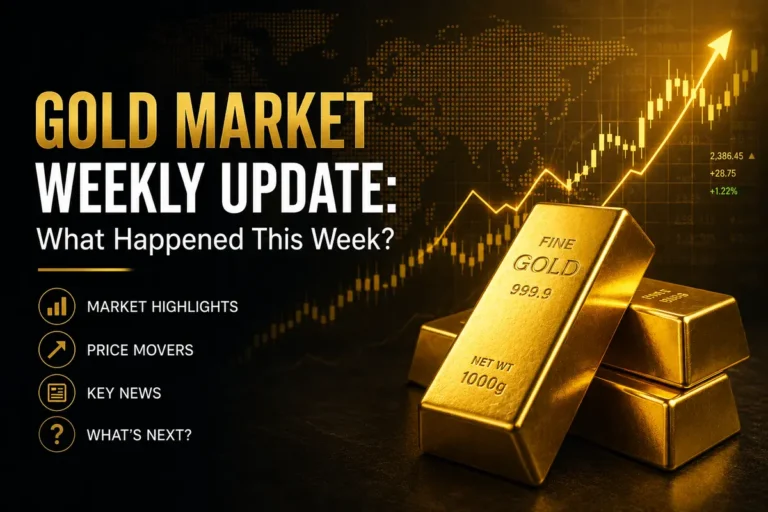
Gold Market Weekly Update Aug 31 – Sep 4 2026
Gold had a difficult start to September, but the bigger story this week was the metal’s sharp change in direction.
The week began with investors pricing a higher probability of a Federal Reserve rate hike, pushing gold lower as Treasury yields and the U.S. dollar strengthened. Gold then staged a strong recovery in the middle of the week after Federal Reserve Governor Christopher Waller signaled that he could support keeping rates unchanged if inflation continued to cool.
That recovery did not survive Friday.
A much stronger-than-expected U.S. jobs report revived expectations of a September rate increase and sent gold sharply lower again.
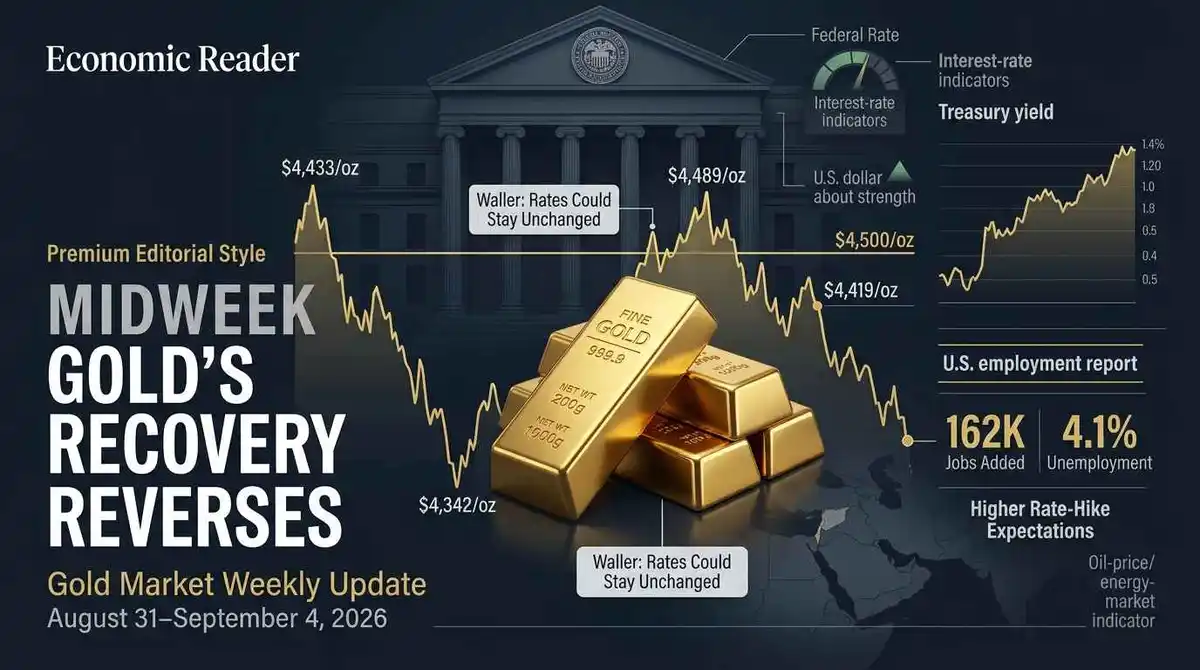
By the end of the week, spot gold was around $4,419 per ounce, down roughly 3% from the previous Friday’s level. The move highlighted how sensitive the gold market has become to changes in U.S. monetary-policy expectations. (Reuters)
The Week in Gold: A Rally, a Reversal and Another Selloff
Gold entered the week under pressure after Federal Reserve Chair Kevin Warsh’s recent hawkish message had already pushed markets toward a more restrictive view of monetary policy.
On Monday, August 31, spot gold fell to around $4,433 an ounce, while December U.S. gold futures settled at about $4,481.50. Investors were increasingly concerned that the Fed could raise interest rates at its September meeting.
The probability of a September rate hike had climbed dramatically following Warsh’s comments, while higher Treasury yields and a firmer dollar added further pressure to bullion. (Reuters)
Tuesday was even weaker.
Spot gold fell more than 2%, touching an intraday low near $4,342.20, its lowest level in several weeks. Reuters reported that the rise in Treasury yields and the stronger dollar were major factors behind the decline.
Gold also moved below its 200-day moving average, which was around $4,528 at the time. That technical break added another layer of selling pressure. (Reuters)
For investors watching the market from the previous week, the change was striking. Gold had recently traded close to $4,700, but expectations for tighter U.S. monetary policy quickly changed the tone.
Wednesday: Gold Finds Its Footing
The market finally turned on Wednesday.
Gold rebounded more than 1% as U.S. Treasury yields and the dollar pulled back from their recent highs. Spot gold reached approximately $4,376.41, while December futures settled around $4,414.60. (Reuters)
The recovery was important because it showed that buyers had not disappeared.
Instead, the market was reassessing the assumption that a September rate hike was becoming inevitable.
The move also demonstrated the importance of the relationship between gold and U.S. interest rates.
Gold does not pay interest or dividends. When Treasury yields rise, holding a non-yielding asset can become relatively less attractive. When yields fall, that opportunity cost can decline.
The same principle applies to the U.S. dollar. Because gold is priced internationally in dollars, a stronger dollar can make bullion more expensive for buyers using other currencies.
For a broader explanation of how inflation, interest rates and investments interact, see Economic Reader’s How Inflation Affects Your Money.
Thursday Delivered the Week’s Biggest Gold Rally
Thursday produced the strongest bullish move of the week.
Federal Reserve Governor Christopher Waller said he could support leaving interest rates unchanged at the September meeting if incoming inflation data continued to show progress.
That was enough to reduce some of the market’s expectations for an immediate rate increase.
Spot gold jumped about 2.3% to $4,488.54 an ounce, while U.S. gold futures settled roughly 2.8% higher at $4,539.90. Treasury yields fell and the dollar weakened, creating a favorable environment for bullion. (Reuters)
The market-implied probability of a September rate hike dropped from roughly 62% to about 54% following Waller’s comments.
For gold traders, the message was clear: monetary policy expectations could still change quickly.
And there was another reason Thursday’s rally mattered.
It came immediately before the U.S. employment report, which meant investors were positioning for one of the most important pieces of economic data before the Federal Reserve’s September 15–16 meeting.
Friday’s Jobs Report Changes the Story Again
The U.S. nonfarm payrolls report delivered a much stronger result than markets had expected.
The U.S. economy added 162,000 jobs in August, far above the roughly 56,000 expected. The unemployment rate remained at 4.1%.
The report changed the interest-rate discussion almost immediately.
Markets increased their expectations for a September Fed rate hike, with the probability rising to roughly 65% from about 55% before the data. Treasury yields and the dollar also moved higher. (Reuters)
Gold responded in the opposite direction.
Spot gold fell around 1.2% in the session, with Reuters reporting a price near $4,419.09 an ounce during the U.S. trading day. Another Reuters market update put spot gold around $4,418, reflecting the same broad move lower. (Reuters)
The important point was not simply that gold fell on Friday.
It was that the market had spent much of Thursday pricing a less aggressive Fed, only to reverse that view within a day.
That is why this week’s gold performance is better understood through monetary-policy expectations than through a simple safe-haven narrative.
Why Middle East Tensions Did Not Automatically Push Gold Higher
Geopolitical uncertainty remained another important part of the week’s market environment.
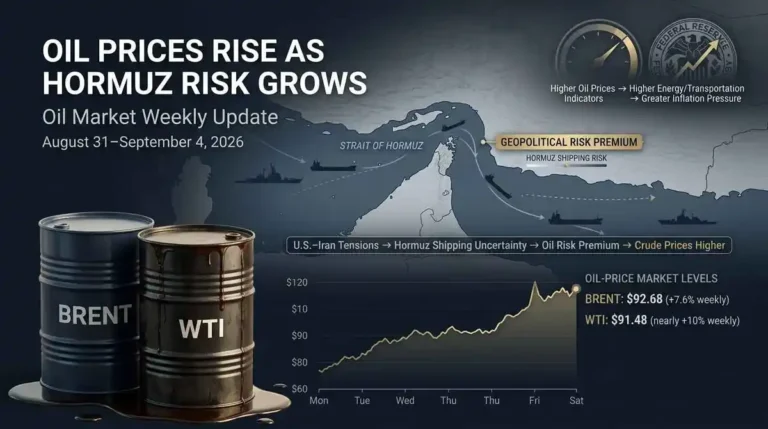
The United States and Iran remained involved in renewed military tensions, while disruptions around the Strait of Hormuz pushed oil prices higher.
Normally, geopolitical instability can support demand for gold because investors often treat bullion as a safe-haven asset.
But this week offered a useful reminder: gold does not always rise during geopolitical stress.
The reason is that geopolitical developments can also increase inflation concerns.
Higher oil prices can feed into transportation, production and consumer costs. If investors believe those inflation pressures could force central banks to maintain or raise interest rates, Treasury yields may rise and gold can come under pressure.
That dynamic was particularly visible at the beginning of this week, when rising oil prices and inflation concerns contributed to expectations for tighter U.S. monetary policy. (Reuters)
So the relationship was not simply:
War → gold rises
Instead, markets were weighing:
Geopolitical risk → higher oil prices → inflation concerns → higher-rate expectations → pressure on gold
That distinction could remain important in the weeks ahead.
What This Week Tells Us About the Gold Market
The most important lesson from this week’s price action is how quickly gold can change direction when interest-rate expectations move.
Gold began the week under pressure after markets became more confident about a possible Fed hike.
It then recovered sharply when Waller softened that outlook.
Finally, the stronger employment report pushed rate expectations higher again and reversed part of the recovery.
This suggests that the next major move in gold may depend less on the metal’s traditional safe-haven appeal and more on whether incoming U.S. data strengthens or weakens the case for tighter monetary policy.
For investors who want to understand the institution behind those decisions, Economic Reader’s What Is the Federal Reserve? provides a broader explanation of how the U.S. central bank influences financial markets.
The $4,500 Level Becomes Important Again
Gold’s movement around the $4,500 area deserves attention.
The metal moved below that level during the early-week selloff, recovered above it following Waller’s comments, and then moved back below it after Friday’s jobs report.
That makes $4,500 an important psychological reference point for the market, although investors should not treat a single price level as a guaranteed support or resistance point.
The more important question is whether gold can regain momentum while U.S. yields and the dollar remain elevated.
If upcoming inflation data reduces the probability of a September rate increase, gold could regain some of the ground lost this week.
If inflation remains stubborn and the Fed moves toward tighter policy, gold could face additional pressure.
What Investors Will Watch Next
The market now moves into an especially important week for U.S. economic data.
The next major releases include U.S. producer-price data on September 10 and consumer-price data on September 11.
Those numbers will help investors reassess whether the strong employment report is enough to justify a September rate hike.
The Federal Reserve’s September 15–16 meeting will then provide the policy decision that markets have been trying to anticipate throughout the summer.
For gold investors, the sequence is therefore straightforward:
Jobs data → inflation data → Fed expectations → Treasury yields and dollar → gold
That does not mean every gold move can be explained by interest rates. Physical demand, central-bank activity, ETF flows, geopolitical risk and broader investor positioning can also matter.
But this week’s trading showed that monetary policy remains one of the market’s strongest short-term drivers.
For more context on the relationship between inflation and financial assets, see Economic Reader’s What Is Inflation?
Gold Market Outlook
The short-term outlook has become more complicated.
The bullish case for gold has not disappeared. Persistent geopolitical uncertainty, concerns about inflation and continued demand for defensive assets can still support bullion.
At the same time, the market now faces a stronger U.S. employment picture than investors expected only a few days ago.
That matters because a stronger labor market can give the Federal Reserve more room to maintain restrictive monetary policy.
The next few trading sessions may therefore be less about chasing Friday’s decline and more about determining whether the jobs report represents a lasting change in the rate outlook.
If the upcoming inflation figures come in softer, gold could recover as rate-hike expectations retreat.
If inflation remains firm, the pressure from higher yields and a stronger dollar could continue.
Investors should also remember that gold can be volatile even when the longer-term outlook remains constructive. A sharp weekly decline does not automatically signal the end of a broader bull market, just as a one-day rally does not guarantee a new breakout.
Frequently Asked Questions
1. Why did gold fall this week?
Gold fell overall as expectations for a Federal Reserve rate hike increased, particularly after the stronger-than-expected U.S. jobs report on Friday. Higher Treasury yields and a stronger dollar also pressured bullion. (Reuters)
2. Why did gold rise sharply on Thursday?
Gold gained more than 2% after Federal Reserve Governor Christopher Waller said he could support keeping rates unchanged if inflation continued to cool. The comments reduced expectations for an immediate rate increase and helped push Treasury yields and the dollar lower. (Reuters)
3. What happened to gold after the August jobs report?
The August employment report showed that U.S. employers added 162,000 jobs, substantially more than expected, while unemployment remained at 4.1%. The stronger data increased expectations for a September Fed rate hike and contributed to Friday’s decline in gold. (Reuters)
4. Can gold rise when geopolitical tensions increase?
Yes. Gold is often supported by safe-haven demand during periods of geopolitical uncertainty. However, geopolitical events can also push energy prices higher and increase inflation and interest-rate concerns. This can create pressure on gold, as happened during parts of this week.
5. What should gold investors watch next?
The main focus will be U.S. inflation data, particularly producer prices on September 10 and consumer prices on September 11, followed by the Federal Reserve’s September 15–16 policy meeting. These events could significantly influence Treasury yields, the dollar and gold.
Final Thoughts
The August 31–September 4 week showed just how quickly the gold market can change when expectations for U.S. monetary policy shift.
Gold started the week under pressure, recovered strongly after Waller’s comments, and then gave back much of that recovery when the U.S. jobs report revived expectations for a September rate hike.
The metal therefore finished the week with a clear message for investors: Fed expectations remain one of the most important short-term forces in gold pricing.
The next test will come from inflation data.
If price pressures show signs of cooling, the market could once again reduce expectations for tighter policy and give gold room to recover.
If inflation remains stubborn, higher yields and a stronger dollar could keep the metal under pressure.
For now, gold remains caught between two competing forces – persistent uncertainty that supports demand for bullion and monetary-policy expectations that can quickly change the market’s direction.
If you want to read last week’s
- Oil Market Weekly Update: please click here.
- Gold Market Weekly Update: please click here.
- Stock Market Weekly Update: please click here.
- Crypto Market Weekly Update: please click here.
Author Note: This article is crafted by “The Economic Reader editorial team”, dedicated to analyzing the latest market trends, financial updates, and global economic shifts to keep you informed with accurate and comprehensive insights.
Disclaimer: The information provided on this website is for educational and informational purposes only and should not be construed as professional financial, investment, or legal advice. Always consult with a certified financial advisor or professional before making any financial decisions based on this content.