
What Is International Trade? A Beginner’s Guide to Global Trade and Economic Growth
What is International Trade: Introduction
The modern world economy is built on connections between countries.
No country produces everything it needs by itself. Nations depend on each other for:
- Energy resources
- Technology
- Food products
- Raw materials
- Manufactured goods
- Services
A smartphone may be designed in one country, contain components from several countries, assembled in another country, and sold worldwide.
This global exchange of goods and services is called international trade.
International trade has played a major role in economic development by helping countries grow businesses, create jobs, improve technology, and access products from around the world.
For businesses, international trade creates opportunities to reach millions of new customers.
For consumers, it provides:
- More choices
- Competitive prices
- Access to global products
The simple definition is:
International trade is the exchange of goods and services between countries through imports and exports.
This article explains what international trade is, how it works, its benefits, challenges, and its role in the global economy.
What Is International Trade?
International trade refers to buying and selling goods and services between different countries.
When a country sells products to another country, it is called an export.
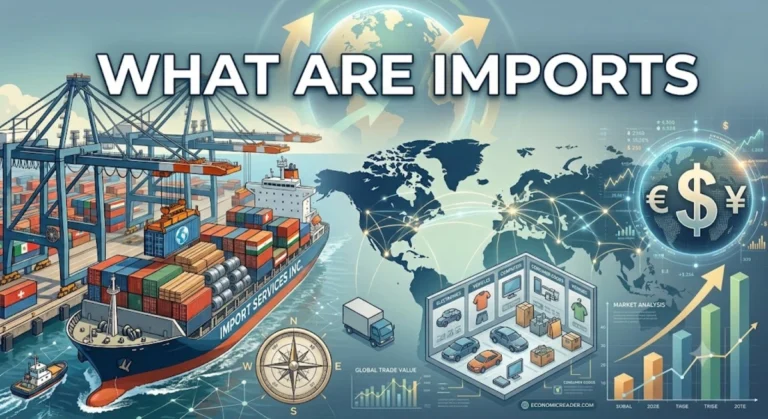
When a country purchases products from another country, it is called an import.
Examples:
- A U.S. company exporting technology products overseas
- A country importing oil from international suppliers
- A business selling software services to foreign customers
International trade allows countries to specialize in industries where they have competitive advantages.
How Does International Trade Work?
International trade involves several important steps.
1. Production
Businesses produce goods or services that can be sold internationally.
Examples:
- Cars
- Electronics
- Agricultural products
- Software services
2. International Buying and Selling
Companies and governments trade products across borders.
A business may:
- Export products to foreign customers
- Import materials from international suppliers
3. Transportation and Logistics
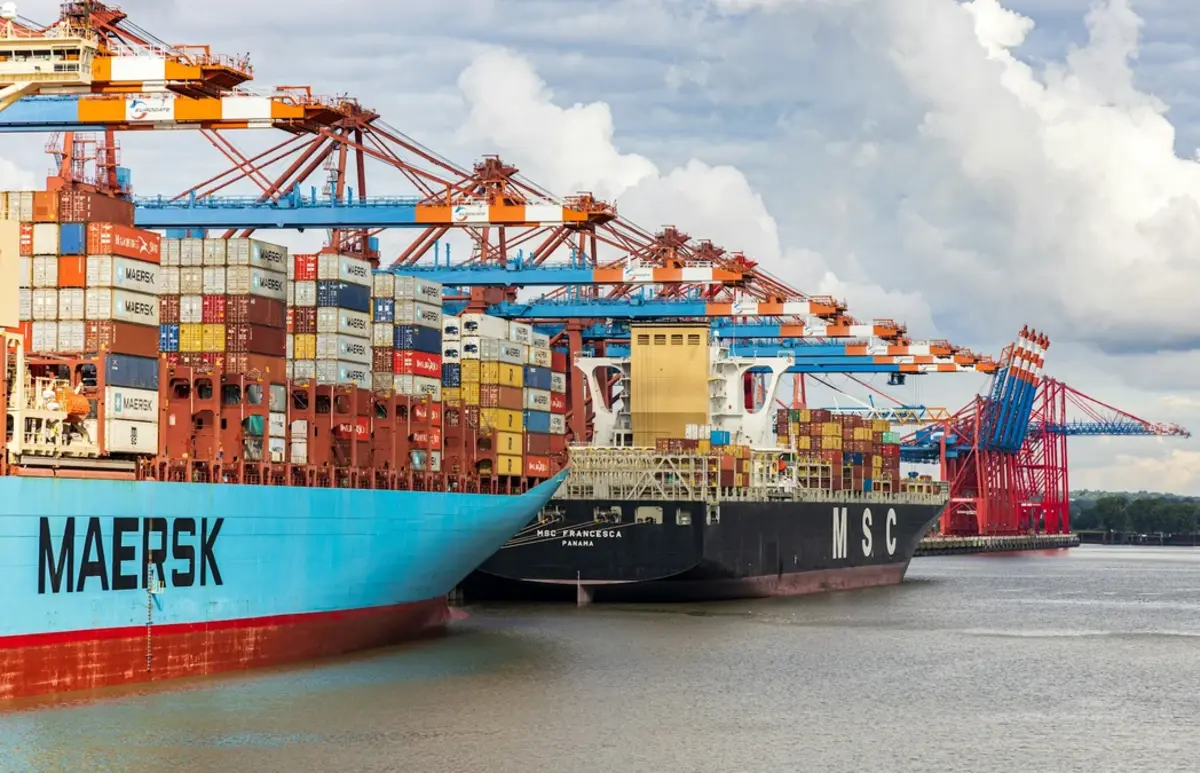
Products move between countries through:
- Shipping
- Air freight
- Rail transportation
- Digital networks
Efficient logistics systems are essential for global trade.
4. Payments and Regulations
International trade requires:
- Currency exchange
- Customs procedures
- Trade agreements
- Import and export regulations
Types of International Trade
International trade includes several major categories.
1. Import Trade
Import trade occurs when a country buys goods or services from another country.
Examples:
- Importing electronics
- Importing machinery
- Importing energy resources
Benefits:
- Access to products not available locally
- Lower costs
- More consumer choices
2. Export Trade
Export trade occurs when a country sells goods or services to foreign markets.
Examples:
- Agricultural exports
- Manufacturing products
- Technology services
Benefits:
- Creates business growth
- Generates foreign income
- Supports employment
3. Service Trade
Modern international trade includes services, not only physical products.
Examples:
- Banking
- Software development
- Consulting
- Education services
- Tourism
Service trade has become a major part of the global economy.
4. Digital Trade
Digital trade involves online products and services.
Examples:
- Cloud computing
- Digital platforms
- Online subscriptions
- Software services
Technology has made global trade easier for businesses of all sizes.
Why Is International Trade Important?
International trade plays a critical role in economic development.
1. Supports Economic Growth
Trade allows businesses to reach larger markets.
When companies sell internationally:
- Production increases
- Revenue grows
- Investment expands
This contributes to economic growth.
2. Increases GDP
Gross Domestic Product (GDP) measures the total value of goods and services produced by an economy.
International trade can influence GDP through:
- Increased exports
- Business expansion
- Industrial development
Strong trade activity often supports economic performance.
3. Creates Jobs
International trade supports employment in many industries.
Jobs are created in:
- Manufacturing
- Transportation
- Agriculture
- Technology
- Logistics
- Financial services
For example, an export-focused company may hire more workers when international demand increases.
4. Expands Business Opportunities
International trade allows companies to sell beyond their domestic markets.
A business can access:
- New customers
- International partnerships
- Global supply chains
5. Encourages Innovation
Global competition pushes businesses to improve.
Companies invest in:
- New technology
- Better products
- More efficient production methods
Benefits of International Trade
1. Lower Prices for Consumers
International competition can reduce product prices.
When businesses compete globally, consumers may benefit from:
- Affordable products
- Better quality
- More options
2. More Product Choices
Trade allows consumers to access products from different countries.
Examples:
- International foods
- Electronics
- Vehicles
- Clothing brands
3. Access to Advanced Technology
Countries can gain access to:
- Modern machinery
- Research
- New production methods
Technology transfer can improve productivity.
4. Business Expansion
Companies can grow by entering foreign markets.
International trade helps businesses:
- Increase sales
- Build global brands
- Find new opportunities
5. Efficient Use of Resources
Countries can focus on industries where they are more efficient.
This concept is called specialization.
Example:
A country with favorable agricultural conditions may focus on farming exports.
International Trade vs Domestic Trade
| International Trade | Domestic Trade |
| Happens between different countries | Happens within one country |
| Uses foreign currencies | Usually uses one currency. |
| Involves customs and regulations | Fewer restrictions |
| Larger global markets | Limited local markets |
| Higher transportation complexity | Easier logistics |
Challenges of International Trade
Although international trade creates many benefits, it also has challenges.
A trade deficit occurs when a country imports more than it exports.
Possible concerns:
- Increased dependence on foreign goods
- Pressure on domestic industries
However, a trade deficit does not always mean an economy is weak. It depends on broader economic conditions.
2. Tariffs and Trade Barriers
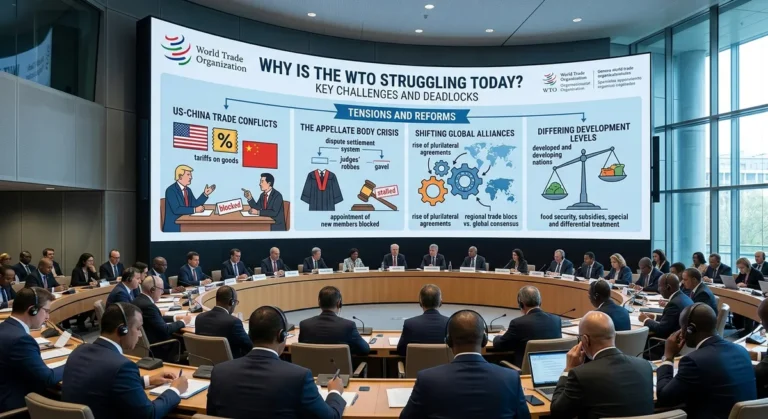
Governments may use tariffs or restrictions to protect local industries.
Tariffs can:
- Increase import prices
- Reduce trade volume
- Create trade conflicts
3. Currency Risks
Exchange rate changes can affect international businesses.
For example:
A company earning money overseas may receive less profit if currency values change unfavorably.
4. Supply Chain Disruptions
Global trade depends on complex supply chains.
Problems can occur because of:
- Natural disasters
- Political conflicts
- Transportation delays
- Global crises
5. Competition With Local Businesses
International companies can create strong competition for local businesses.
Small businesses may need to improve:
- Quality
- Efficiency
- Innovation
to compete.
Role of Trade Agreements and Trade Alliances
Countries often create agreements to make international trade easier.
Trade agreements may reduce:
- Tariffs
- Import restrictions
- Trade barriers
Benefits include:
- More business opportunities
- Increased investment
- Stronger economic cooperation
Trade alliances help countries build stronger economic relationships.
International Trade and Globalization
International trade is one of the biggest drivers of globalization.
Globalization connects countries through:
- Trade
- Investment
- Technology
- Business networks
Today, many products are created through global supply chains.
Example:
A vehicle may include:
- Design from one country
- Parts from several countries
- Assembly in another country
- Sales worldwide
Examples of International Trade
1. Technology Industry
Technology companies rely heavily on international trade.
Examples:
- Semiconductor production
- Software services
- Electronics manufacturing
2. Energy Markets
Countries trade:
- Oil
- Natural gas
- Renewable energy technology
Energy trade influences global economic conditions.
3. Agriculture
Countries trade agricultural products based on:
- Climate
- Resources
- Production capacity
Examples:
- Coffee
- Wheat
- Fruits
4. Manufacturing
Manufacturing industries depend on international trade for:
- Raw materials
- Components
- Global customers
International Trade Trends in 2026
1. Growth of Digital Trade
More businesses are using digital platforms to reach international customers.
Examples:
- Online services
- E-commerce
- Cloud technology
2. Supply Chain Diversification
Companies are creating more flexible supply chains to reduce risks.
3. Sustainable Trade
Environmental concerns are increasing demand for:
- Clean technology
- Renewable energy products
- Sustainable manufacturing
4. Technology-Based Trade
Industries such as:
- Artificial intelligence
- Semiconductors
- Automation
are becoming increasingly important in global trade.
How Businesses Benefit From International Trade
Businesses can use international trade to:
Reach New Customers
Companies can expand beyond local markets.
Reduce Costs
Businesses can access:
- Global suppliers
- Efficient production locations
Increase Revenue
International customers create additional sales opportunities.
Build Global Brands
Successful international trade can improve brand recognition worldwide.
Frequently Asked Questions (FAQ)
1. What is international trade in simple words?
International trade is the exchange of goods and services between different countries.
2. Why is international trade important?
It supports economic growth, creates jobs, increases product choices, and helps businesses expand globally.
3. What are imports and exports?
Imports are products purchased from other countries, while exports are products sold to foreign countries.
4. How does international trade affect consumers?
It can provide lower prices, more choices, and access to global products.
5. What is the difference between international trade and foreign trade?
Both terms generally refer to the exchange of goods and services between countries and are often used interchangeably.
Final Thoughts
International trade is one of the foundations of the modern global economy.
It connects countries, supports businesses, creates employment opportunities, and allows consumers to access products from around the world.
While international trade brings challenges such as competition, tariffs, and supply chain risks, its role in economic growth remains extremely important.
For entrepreneurs, investors, and policymakers, understanding international trade is essential because global markets continue shaping the future economy.
As technology and globalization continue developing, international trade will remain a major force driving economic progress worldwide.
Author Note: This article is crafted by “The Economic Reader editorial team”, dedicated to analyzing the latest market trends, financial updates, and global economic shifts to keep you informed with accurate and comprehensive insights.
Disclaimer: The information provided on this website is for educational and informational purposes only and should not be construed as professional financial, investment, or legal advice. Always consult with a certified financial advisor or professional before making any financial decisions based on this content.