
What Is Economic Growth? A Beginner’s Guide to Causes, Measurement, Importance, and Impact
What Is Economic Growth: Introduction
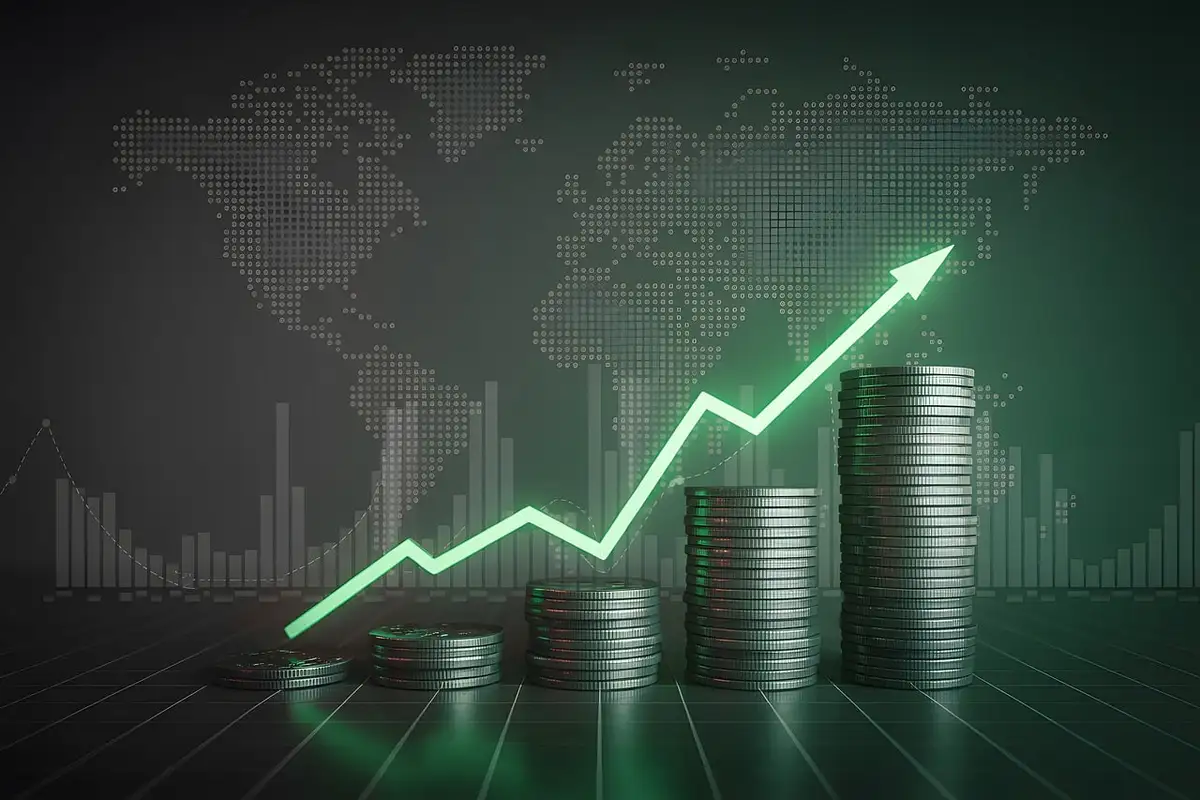
Economic growth is one of the most important concepts in understanding how countries become more prosperous over time.
When an economy grows, businesses expand, more jobs are created, incomes can increase, and people may enjoy better living standards.
Governments, investors, businesses, and economists closely monitor economic growth because it provides important information about the health of an economy.
But economic growth is not just about producing more goods and services.
It also involves improvements in:
- Productivity
- Technology
- Investment
- Employment
- Business activity
The simple idea is:
Economic growth is the increase in the production of goods and services in an economy over a period of time, usually measured by changes in Gross Domestic Product (GDP).
In this guide, we will explain what economic growth is, how it is measured, why it matters, factors that drive growth, challenges, and its impact on businesses and individuals.
What Is Economic Growth?
Economic growth refers to the increase in the value of goods and services produced by an economy over time.
In simple words:
Economic growth means an economy is becoming larger and more productive.
Example:
If a country produces more:
- Cars
- Technology products
- Food
- Services
- Infrastructure
than it did in previous years, its economy may experience growth.
How Is Economic Growth Measured?
Economists use several indicators to measure economic growth.
1. Gross Domestic Product (GDP)
The most common measure of economic growth is Gross Domestic Product (GDP).
GDP represents the total value of all final goods and services produced within a country during a specific period.
Example:
If a country’s GDP increases from one year to the next, it generally indicates economic growth.
2. GDP Growth Rate
The GDP growth rate measures how quickly an economy is expanding.
Example:
- GDP increases by 3% in one year.
- The economy experienced 3% growth.
3. GDP Per Capita
GDP per capita measures economic output per person.
It helps compare average economic conditions among populations.
Formula:
GDP ÷ Population = GDP per capita
A higher GDP per capita often indicates a higher average income level.
4. Productivity Growth
Productivity measures how efficiently workers and businesses produce goods and services.
Higher productivity can lead to:
- Higher output
- Better wages
- Stronger economic growth
5. Employment Growth
A growing economy often creates more job opportunities.
Employment growth indicates:
- More businesses hiring
- Increased economic activity
- Higher consumer spending
Why Is Economic Growth Important?
Economic growth affects individuals, businesses, and governments.
1. Higher Living Standards
Economic growth can improve people’s quality of life.
A growing economy may provide:
- Better healthcare
- Improved education
- Higher incomes
- Better infrastructure
2. More Job Opportunities
When businesses expand, they often need more workers.
Economic growth can lead to:
- New industries
- More employment opportunities
- Career growth
3. Increased Business Opportunities
A growing economy creates opportunities for entrepreneurs and companies.
Businesses may experience:
- Higher demand
- More customers
- Increased investment
4. Higher Government Revenue
Economic growth can increase government tax revenue.
Governments may use additional revenue for:
- Infrastructure
- Public services
- Education
- Healthcare
5. Encourages Innovation
Growing economies often support innovation.
Businesses invest in:
- New technologies
- Research
- Better production methods
Main Factors That Drive Economic Growth
Several factors contribute to economic growth.
1. Investment
Investment is one of the strongest drivers of economic growth.
Investment includes:
- Business expansion
- New factories
- Technology development
- Infrastructure projects
More investment can increase production capacity.
2. Technology Development
Technology improves productivity.
Examples:
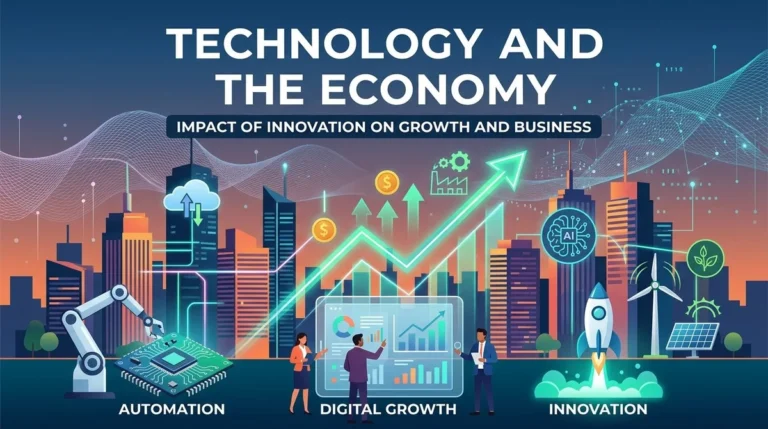
- Automation
- Artificial intelligence
- Digital platforms
Better technology allows businesses to produce more efficiently.
3. Education and Skills
A skilled workforce supports economic growth.
Education improves:
- Worker productivity
- Innovation
- Business competitiveness
4. Infrastructure
Strong infrastructure supports economic activity.
Examples:
- Roads
- Ports
- Electricity systems
- Internet networks
Good infrastructure helps businesses operate efficiently.
Entrepreneurs create:
- New businesses
- New products
- New jobs
A strong entrepreneurial environment can accelerate economic growth.
Trade allows countries to exchange goods and services.
Benefits include:
- Larger markets
- More business opportunities
- Access to resources
Types of Economic Growth
Economic growth can occur in different forms.
1. Short-Term Economic Growth
Short-term growth refers to temporary increases in economic activity.
It may happen because of:
- Higher consumer spending
- Government stimulus
- Increased demand
2. Long-Term Economic Growth
Long-term growth comes from structural improvements.
Examples:
- Better technology
- Education improvements
- Increased productivity
Long-term growth is usually more sustainable.
3. Sustainable Economic Growth
Sustainable growth focuses on economic expansion while protecting future resources.
It considers:
- Environmental impact
- Resource management
- Long-term stability
Economic Growth vs Economic Development
Although these terms are related, they are different.
| Economic Growth | Economic Development |
| Focuses on increased economic output | Focuses on improving quality of life |
| Mainly measured by GDP | Includes health, education, and social factors |
| Quantitative measurement | Broader improvement |
Example:
A country can experience GDP growth but still face challenges with inequality or living standards.
Examples of Economic Growth
Example 1: Technology Industry Growth
When technology companies expand, they can create:
- New jobs
- New products
- Increased investment
This contributes to economic growth.
Example 2: Infrastructure Development
Building highways, airports, and energy systems can increase economic activity.
Construction creates jobs and improves business efficiency.
Example 3: Business Expansion
When companies invest in new locations and employees, production increases.
This contributes to overall economic growth.
Challenges of Economic Growth
Economic growth can create benefits, but it also has challenges.
1. Inflation Pressure
Rapid economic growth can sometimes increase demand faster than supply.
This may contribute to rising prices.
2. Income Inequality
Economic growth does not always benefit everyone equally.
Some groups may experience greater benefits than others.
3. Environmental Impact
Increased production can create environmental challenges.
Examples:
- Higher energy consumption
- Pollution
- Resource depletion
4. Resource Limitations
Economies may face limits in:
- Natural resources
- Labor availability
- Infrastructure capacity
How Governments Encourage Economic Growth
Governments use different policies to support growth.
1. Investing in Infrastructure
Governments build:
- Transportation systems
- Energy networks
- Digital infrastructure
2. Supporting Businesses
Policies may encourage:
- Entrepreneurship
- Investment
- Innovation
3. Improving Education
Education investments create a more skilled workforce.
4. Maintaining Economic Stability
Stable economic conditions encourage investment.
Governments focus on:
- Managing inflation
- Supporting financial stability
- Creating predictable policies
Role of Businesses and Investors in Economic Growth
Businesses and investors play important roles in economic expansion.
Businesses
Companies contribute by:
- Creating jobs
- Producing goods and services
- Investing in innovation
Investors
Investors provide capital that helps businesses:
- Expand operations
- Develop new products
- Create employment
Economic Growth and Stock Markets
Economic growth often influences stock markets.
When economies grow:
- Company profits may increase
- Investor confidence may improve
- Stock markets may benefit
However, stock markets also depend on other factors, such as:
- Interest rates
- Inflation
- Investor expectations
Real-Life Economic Growth Example
Imagine a country invests heavily in:
- Technology education
- Infrastructure
- Business development
Over time:
- More companies are created
- More workers gain skills
- Productivity increases
- Production expands
The economy grows because the country becomes more productive.
Frequently Asked Questions (FAQ)
1. What is economic growth in simple words?
Economic growth means an economy produces more goods and services over time.
2. How is economic growth measured?
Economic growth is mainly measured using GDP and GDP growth rates.
3. Why is economic growth important?
Economic growth can create jobs, increase incomes, improve living standards, and support business opportunities.
4. What causes economic growth?
Investment, technology, education, entrepreneurship, infrastructure, and trade are major drivers of economic growth.
5. Is economic growth always good?
Economic growth is generally positive, but it can create challenges such as inflation, inequality, and environmental pressure.
Final Thoughts
Economic growth is a key indicator of a country’s economic progress.
It reflects how effectively an economy increases production, creates opportunities, and improves financial conditions.
Strong economic growth usually comes from:
- Innovation
- Investment
- Skilled workers
- Strong businesses
- Effective economic policies
However, true economic success is not only about producing more.
A healthy economy should also focus on improving living standards and creating sustainable opportunities for future generations.
Understanding economic growth helps investors, businesses, and individuals make better financial decisions.
Author Note: This article is crafted by “The Economic Reader editorial team”, dedicated to analyzing the latest market trends, financial updates, and global economic shifts to keep you informed with accurate and comprehensive insights.
Disclaimer: The information provided on this website is for educational and informational purposes only and should not be construed as professional financial, investment, or legal advice. Always consult with a certified financial advisor or professional before making any financial decisions based on this content.