
How Renewable Energy Changes Business: The Future of Sustainable Business Growth
How Renewable Energy Changes Business
Energy is no longer just an operating expense that businesses pay at the end of the month.
It is becoming a strategic issue.
A factory needs reliable electricity to keep production running. A retailer needs power for stores and refrigeration. A logistics company needs energy to move products. Technology companies increasingly depend on electricity to operate data centers, cloud services, and artificial intelligence systems.
At the same time, businesses are operating in an environment where energy prices, supply security, environmental expectations, and technology are changing quickly.
This is helping renewable energy move from a mainly environmental discussion into a business decision.
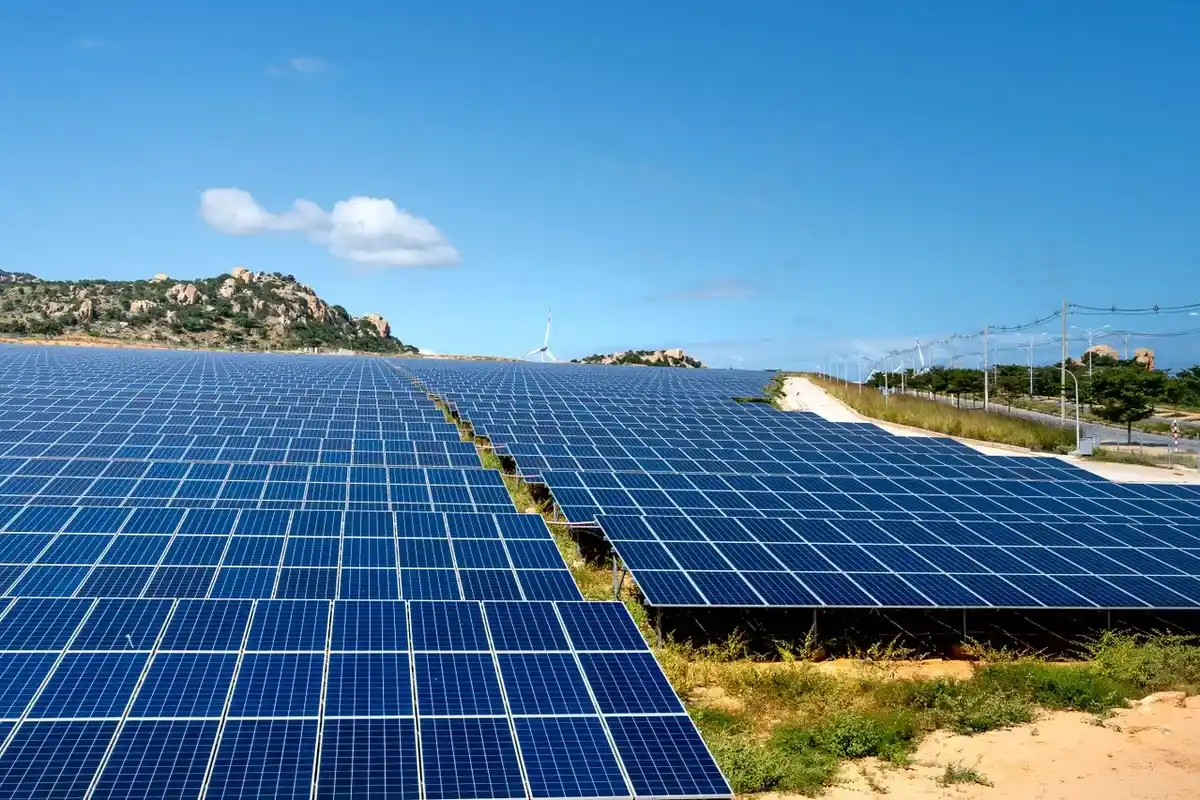
Solar, wind, hydropower, geothermal, and other renewable energy sources are creating new possibilities for companies to manage energy use, reduce exposure to some fossil-fuel risks, and develop new products and services.
The shift is already significant. The International Energy Agency expects renewable electricity capacity to expand rapidly through 2030, with solar PV accounting for a large share of the projected growth. (IEA)
For businesses, the important question is no longer simply whether renewable energy is growing.
It is:
How will the transition to renewable energy change the way businesses operate, compete, invest, and grow?
What Is Renewable Energy?
Renewable energy comes from natural sources that are replenished over time.
The main forms include:
- Solar energy, generated from sunlight
- Wind energy, generated using wind turbines
- Hydropower, generated from moving water
- Geothermal energy, using heat from beneath the Earth’s surface
- Biomass energy, produced from organic materials
Businesses can access renewable energy in several ways.
A company may install solar panels on its own building, purchase renewable electricity from a supplier, enter into a long-term power purchase agreement, or invest directly in renewable energy infrastructure.
The appropriate approach depends on the company’s size, location, energy consumption, financing, and operational needs.
Renewable energy should therefore not be viewed as a single solution that works equally well for every business.
Why Energy Has Become a Strategic Business Issue
Energy costs can directly affect a company’s financial performance.
When electricity and fuel prices increase, businesses may face higher production and operating costs. Energy-intensive companies can be particularly exposed because even relatively small changes in electricity prices can affect margins.
The IEA has highlighted significant differences in electricity costs across regions, with energy-intensive industries facing substantial competitive pressure where electricity prices remain elevated. (IEA)
This creates an important business consideration.
A company that depends entirely on external energy markets may have less control over part of its cost structure. A business that combines energy efficiency, renewable generation, storage, and diversified energy purchasing may have more tools for managing that risk.
Renewable energy does not eliminate energy costs or guarantee lower costs in every situation.
Instead, it can become one component of a broader energy strategy.
How Renewable Energy Changes Business Operations
1. It Can Change the Cost Structure
One of the most important ways renewable energy can affect a business is through energy costs.
Consider a manufacturing company that installs solar panels on its factory.
The company has to pay for:
- Equipment
- Installation
- Financing
- Maintenance
- Possible grid upgrades
But once the system is operating, the company can generate some of its electricity rather than purchasing all of it from the grid.
The financial result depends on local electricity prices, solar resources, system performance, financing terms, and other factors.
This means businesses should evaluate renewable energy as an investment rather than assuming it automatically produces savings.
2. It Can Reduce Exposure to Energy Price Volatility
Fossil-fuel markets can be affected by geopolitical events, supply disruptions, weather conditions, and changes in global demand.
Businesses cannot control these factors.
Renewable energy can provide another source of electricity that is less directly tied to fossil-fuel prices.
For a company with predictable electricity demand, this can make long-term energy planning easier.
It can also help management understand how much energy may be available from a particular renewable project or contract.
3. It Can Improve Energy Resilience
Reliable electricity is essential for modern businesses.
A power disruption can stop production, interrupt digital services, damage inventory, or delay deliveries.
Renewable energy combined with battery storage can sometimes provide businesses with additional resilience.
For example, a warehouse with rooftop solar and battery storage may be able to maintain some critical operations during certain grid disruptions.
The exact benefit depends on system size, storage capacity, grid conditions, and the company’s operational requirements.
Renewable Energy Can Create New Business Opportunities
The energy transition is not only changing existing businesses.
It is creating new industries.
Companies are developing products and services related to:
- Solar equipment
- Wind technology
- Batteries
- Electric vehicles
- Charging infrastructure
- Grid technology
- Energy-management software
- Energy-efficiency systems
This creates opportunities for entrepreneurs as well as established corporations.
A business does not necessarily need to generate electricity to participate in the renewable energy economy.
It could provide software, installation, financing, maintenance, logistics, consulting, or specialized equipment.
How Renewable Energy Is Changing Major Industries
Manufacturing
Manufacturing is one of the clearest examples of how energy can influence business competitiveness.
Factories require electricity for machinery, production lines, heating, cooling, and other processes.
Manufacturers can use renewable energy to support their electricity requirements while also improving energy efficiency.
Some businesses may combine solar power with battery storage and efficient equipment to better manage electricity consumption.
The decision becomes particularly important for companies competing internationally because energy costs can influence production costs and ultimately product prices.
Technology and Artificial Intelligence
The technology sector is becoming increasingly energy-intensive.
Cloud computing, data centers, and AI systems require large amounts of electricity.
The IEA estimates that global electricity generation used to supply data centers could rise from about 460 TWh in 2024 to more than 1,000 TWh by 2030 in its base case. Renewables are expected to meet nearly half of the additional electricity demand from data centers over the next five years. (IEA)
This creates an important connection between renewable energy and the growth of artificial intelligence.
Technology companies need more computing power, while data-center operators need reliable and increasingly diversified electricity supplies.
As a result, renewable energy can become part of the infrastructure supporting digital growth.
Transportation
Transportation is another industry undergoing a major energy transition.
Electric vehicles replace direct fossil-fuel consumption with electricity use.
Businesses are therefore changing their fleets through:
- Electric delivery vehicles
- Electric company cars
- Charging stations
- Fleet-management software
This also creates opportunities for businesses involved in batteries, charging infrastructure, electricity generation, and energy management.
Agriculture
Agriculture depends on energy for irrigation, machinery, storage, processing, and transportation.
Renewable energy can support agricultural businesses through applications such as:
- Solar-powered irrigation
- Solar-powered farm buildings
- Renewable electricity
- Biomass energy
For some farms, renewable energy can also create an additional revenue opportunity through electricity generation.
Buildings consume significant amounts of electricity for lighting, heating, cooling, and other activities.
Renewable energy is influencing commercial and residential property through:
- Rooftop solar
- Energy-efficient buildings
- Smart energy systems
- Battery storage
- Sustainable building design
For property owners, lower energy consumption can potentially reduce operating costs.
For tenants and buyers, energy efficiency may also become a more important factor when comparing properties.
Retail
Retail businesses use energy for lighting, refrigeration, heating, cooling, and store operations.
Large retailers with hundreds or thousands of locations can potentially gain from energy-efficiency projects and renewable electricity.
For retailers, the business case can involve both financial considerations and customer expectations.
However, sustainability alone does not guarantee customer loyalty. Price, quality, convenience, and trust remain important.
Renewable Energy and Supply Chains
The renewable energy transition can affect businesses beyond their own buildings.
Modern supply chains connect manufacturers, suppliers, logistics providers, warehouses, and retailers across multiple countries.
A company may therefore face pressure to understand not only its own energy use but also the environmental performance of its suppliers.
Large companies may increasingly ask suppliers about:
- Energy consumption
- Emissions
- Renewable electricity
- Resource efficiency
- Environmental management
This can create a ripple effect.
A major manufacturer adopting renewable energy may encourage its suppliers to improve their own energy performance.
Over time, renewable energy can therefore influence entire supply chains rather than individual companies alone.
Renewable Energy and Business Competitiveness
Renewable energy can become a competitive issue when energy represents a significant part of production costs.
Imagine two manufacturers producing similar products.
If one company has access to lower-cost and more predictable electricity while the other remains highly exposed to volatile energy prices, their cost structures may gradually diverge.
However, renewable energy is only one factor.
Businesses still need to compete on:
- Product quality
- Pricing
- Innovation
- Labor productivity
- Technology
- Distribution
- Customer service
Renewable energy works best as part of a broader competitive strategy.
Renewable Energy and Investment Opportunities
The growth of renewable energy is also changing the investment landscape.
Investors may consider companies involved in:
- Solar power
- Wind energy
- Batteries
- Electric vehicles
- Charging networks
- Grid infrastructure
- Energy-management technology
The opportunity is not limited to renewable electricity producers.
For example, electricity grids need investment and modernization as renewable generation and electrification expand.
Battery companies can also benefit from growing demand for energy storage.
At the same time, renewable energy investments can carry significant risks.
Investors should consider:
- Company profitability
- Valuation
- Competition
- Government policy
- Technology changes
- Capital requirements
- Commodity costs
A growing industry does not mean every company within that industry will succeed.
The Financial Side of Renewable Energy Adoption
One of the biggest mistakes businesses can make is focusing only on the environmental benefits of renewable energy.
Management should also examine the financial side.
A renewable energy project may involve substantial upfront costs.
For example, a business considering solar power should evaluate:
Initial investment → financing costs → energy savings → maintenance → expected system life → long-term return
This approach gives management a clearer picture of whether the project makes financial sense.
The cost of renewable electricity has also become increasingly competitive in many markets. IRENA’s analysis of renewable power generation costs shows the continuing competitiveness of renewable technologies, although costs vary by technology, location, and project conditions. (IRENA)
What Are the Challenges?
Renewable energy has major potential, but adoption comes with challenges.
Upfront Investment
Solar systems, batteries, electric vehicles, and other technologies can require significant initial spending.
This can be difficult for small businesses with limited access to capital.
Intermittent Generation
Solar and wind power depend on natural conditions.
Solar generation changes throughout the day, while wind generation depends on wind availability.
Energy storage can help, but batteries also involve costs and technical requirements.
Grid Infrastructure
Renewable energy expansion requires suitable electricity infrastructure.
Businesses may face delays or additional costs when connecting new generation or large electricity loads to the grid.
Regulatory Changes
Government policies can strongly influence renewable energy investment.
Changes in incentives, taxes, regulations, or electricity-market rules can affect project economics.
Businesses therefore need to consider policy risk when planning long-term investments.
What Renewable Energy Means for Small Businesses
Renewable energy is not only a strategy for multinational corporations.
Small businesses can start with relatively practical measures.
For example, a small business could:
- Improve energy efficiency
- Install rooftop solar
- Replace inefficient equipment
- Consider electric vehicles
- Monitor electricity consumption
- Explore renewable electricity options
The goal does not have to be complete energy transformation.
Even improving energy efficiency can reduce waste and operating expenses.
For many small businesses, the first step is simply understanding where energy is being used and where savings may be possible.
Renewable Energy Trends Businesses Should Watch in 2026
The renewable energy story is becoming closely connected to the broader growth of electricity demand.
The IEA expects global electricity demand to grow by 3.7% in 2026, with demand coming from areas including industry, cooling, data centers, and electric vehicles. (IEA)
That creates several important business trends.
Energy Storage
Battery storage is becoming increasingly important because it can help businesses manage differences between electricity generation and demand.
AI and Energy Management
Artificial intelligence can help companies forecast demand, identify inefficiencies, and optimize energy consumption.
This is particularly important as businesses operate increasingly complex electricity systems.
Electrification
More industrial equipment, vehicles, buildings, and other systems are moving toward electricity.
This increases the importance of reliable and affordable electricity.
Renewable Energy Procurement
Businesses may increasingly use long-term renewable electricity contracts and other procurement strategies to manage energy costs and sustainability objectives.
Grid Investment
As electricity demand and renewable generation grow, grid infrastructure becomes increasingly important.
This can create opportunities for businesses involved in transmission, distribution, software, storage, and grid technology.
How Businesses Can Prepare
Businesses do not need to completely redesign their operations overnight.
A practical approach starts with understanding current energy use.
Companies can:
- Measure energy consumption across major operations.
- Identify inefficient processes and equipment.
- Compare renewable energy options based on financial returns.
- Evaluate energy storage where it makes operational sense.
- Diversify energy sources where practical.
- Monitor energy prices and regulations.
- Set measurable sustainability targets.
The important point is to connect sustainability with business performance.
A renewable energy strategy is more useful when management understands how it affects costs, risk, investment, and long-term growth.
Frequently Asked Questions
1. How does renewable energy change business?
Renewable energy changes business by influencing energy costs, risk management, sustainability, supply chains, investment decisions, and opportunities for innovation.
2. Can renewable energy reduce business costs?
It can reduce long-term energy costs in some situations, but the result depends on electricity prices, installation costs, financing, location, system performance, and maintenance.
3. Which industries are most affected by renewable energy?
Manufacturing, technology, transportation, agriculture, real estate, and retail are among the industries that can be significantly affected by the transition to renewable energy.
4. Is renewable energy useful for small businesses?
Yes. Small businesses can consider options such as energy efficiency, rooftop solar, electric vehicles, and renewable electricity programs depending on their circumstances.
5. Does renewable energy create investment opportunities?
Yes. The transition is creating opportunities across solar, wind, batteries, electric vehicles, charging infrastructure, grid technology, and energy-management systems. However, individual investments still carry risks.
6. What are the biggest challenges of renewable energy for businesses?
Major challenges include upfront investment costs, intermittent generation, grid limitations, financing, technology requirements, and changes in government policy.
Final Thoughts
Renewable energy is becoming a business issue, not simply an environmental one.
It can influence how companies manage costs, protect themselves from energy-market volatility, operate supply chains, attract investment, and compete in changing markets.
The opportunity is also broader than installing solar panels.
Businesses are becoming part of a larger energy transition involving batteries, electric vehicles, data centers, smart grids, artificial intelligence, and energy-management technologies.
For some companies, renewable energy may offer lower long-term energy costs. For others, the biggest benefit may be greater energy resilience, stronger customer relationships, or access to emerging markets.
But renewable energy is not a guaranteed solution to every business problem.
Companies still need to evaluate costs, financing, infrastructure, technology, regulations, and expected returns.
The businesses that approach the energy transition strategically rather than simply following a trend may be better positioned to compete as the global economy becomes increasingly electrified.
Continue Learning…
If you’d like to explore this topic further, check out these related guides from Economic Reader:
- What Is a Mortgage? – How Home Loans Work and What Borrowers Should Know.
- How Interest Rates Affect Loans? – A Complete Guide to Borrowing Costs, Payments, and Financial Decisions.
- What Are Smart Investment Decisions? – A Complete Guide to Investing Wisely and Building Long Term Wealth.
Author Note: This article is crafted by “The Economic Reader editorial team”, dedicated to analyzing the latest market trends, financial updates, and global economic shifts to keep you informed with accurate and comprehensive insights.
Disclaimer: The information provided on this website is for educational and informational purposes only and should not be construed as professional financial, investment, or legal advice. Always consult with a certified financial advisor or professional before making any financial decisions based on this content.