
What Is GDP? A Beginner’s Guide to Gross Domestic Product, How It Works, and Why It Matters
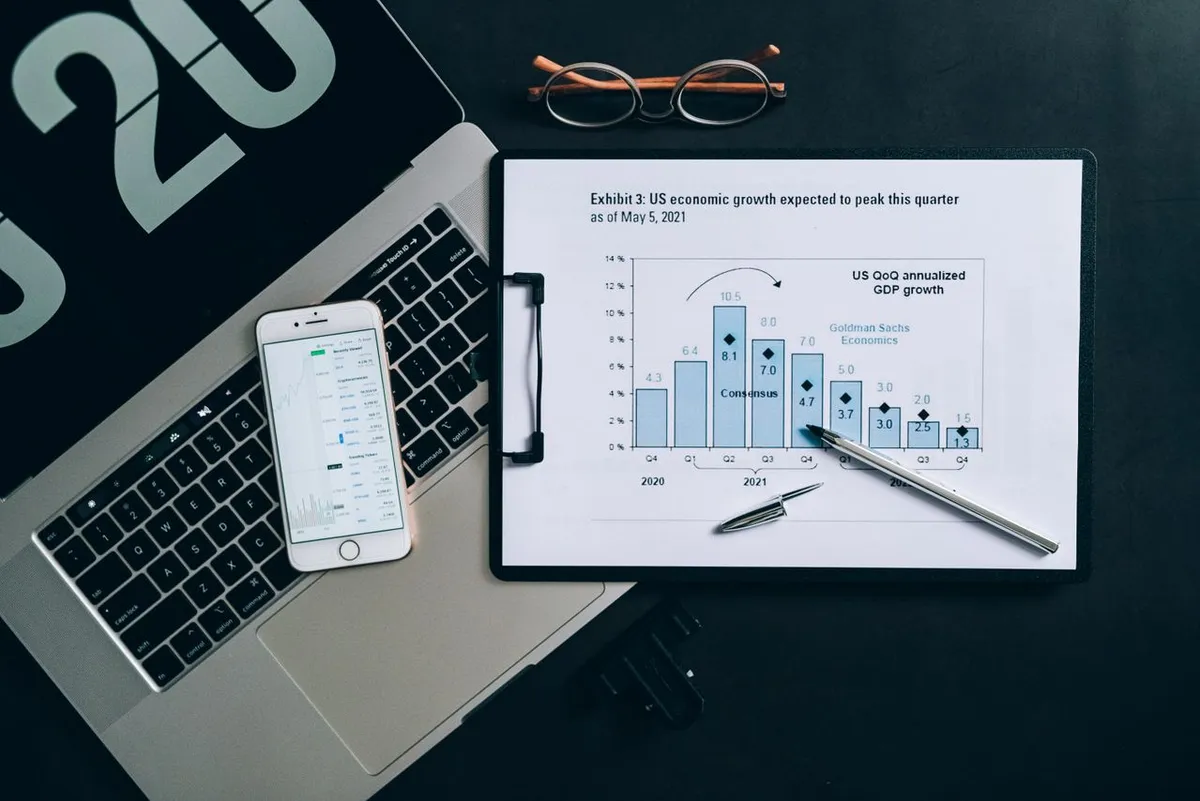
What Is GDP: Introduction
Every country’s economy is measured using different indicators that help economists, governments, businesses, and investors understand economic performance.
One of the most important economic indicators in the world is GDP (Gross Domestic Product).
GDP is often mentioned in financial news when discussing:
- Economic growth
- Recessions
- Government policies
- Investment decisions
- Global economic rankings
But many people do not fully understand what GDP means or why it matters.
Does a higher GDP always mean people are becoming richer?
How is GDP calculated?
Why do investors care about GDP numbers?
The simple idea is:
GDP measures the total value of all final goods and services produced within a country during a specific period of time.
In this guide, we will explain what GDP is, how it is calculated, different types of GDP, why it is important, its limitations, and how GDP affects businesses and investors.
What Is GDP?
GDP (Gross Domestic Product) is the total monetary value of all final goods and services produced inside a country during a specific period, usually one year or one quarter.
In simple words:
GDP shows the size and activity level of an economy.
If a country produces more goods and services, its GDP usually increases.
Examples included in GDP:
- Cars produced by companies
- Food and agricultural products
- Technology services
- Healthcare services
- Construction projects
- Financial services
What Does GDP Measure?
GDP measures economic production and activity.
It includes:
Goods
Physical products such as:
- Vehicles
- Electronics
- Food
- Clothing
Services
Non-physical activities such as:
- Banking
- Education
- Healthcare
- Transportation
Business Activity
GDP also reflects:
- Company production
- Investment
- Consumer spending
How Is GDP Calculated?
Economists commonly calculate GDP using four major components.
The formula is:
GDP = Consumption + Investment + Government Spending + Net Exports
or:
GDP = C + I + G + (X – M)
1. Consumption (C)
Consumption represents spending by households.
Examples:
- Buying groceries
- Purchasing electronics
- Paying for services
- Spending on entertainment
Consumer spending is usually one of the largest parts of GDP.
When people spend more money, businesses often produce more goods and services.
2. Investment (I)
Investment refers to spending that increases future production.
Examples:
- Businesses buying equipment
- Building factories
- Developing technology
- Construction projects
Investment helps increase economic capacity.
3. Government Spending (G)
Government spending includes public sector spending on:
- Infrastructure
- Education
- Healthcare
- Defense
- Public projects
Government activity can influence economic growth.
4. Net Exports (X – M)
Net exports measure the difference between exports and imports.
Formula:
Exports – Imports = Net Exports
Exports:
- Goods and services sold to other countries
Imports:
- Goods and services purchased from other countries
If exports are higher than imports, GDP receives a positive contribution.
Types of GDP
There are different ways to measure GDP.
1. Nominal GDP
Nominal GDP measures economic output using current market prices.
It does not adjust for inflation.
Example:
If prices increase, nominal GDP may rise even if production stays the same.
2. Real GDP
Real GDP adjusts for inflation.
It provides a clearer picture of actual economic growth.
Example:
If GDP increases because a country produces more goods, real GDP shows that growth more accurately.
3. GDP Per Capita
GDP per capita measures GDP per person.
Formula:
GDP ÷ Population
It helps compare average economic output between countries.
Example:
Two countries may have similar GDP, but the country with a smaller population may have higher GDP per capita.
4. GDP Purchasing Power Parity (PPP)
GDP PPP adjusts for differences in living costs between countries.
It helps compare the real purchasing power of economies.
Why Is GDP Important?
GDP is important for several reasons.
1. Measures Economic Health
GDP provides information about whether an economy is:
- Growing
- Shrinking
- Stable
A rising GDP often indicates increased economic activity.
2. Helps Governments Make Decisions
Governments use GDP data to design policies related to:
- Taxes
- Spending
- Economic support programs
3. Helps Investors Analyze Markets
Investors use GDP information to understand economic conditions.
A growing economy may create opportunities for:
- Businesses
- Stock markets
- Investment activities
4. Compares Countries
GDP helps compare the size of different economies.
Examples:
Countries are often ranked by:
- Total GDP
- GDP per capita
GDP Growth vs GDP Decline
When GDP increases, the economy is usually expanding.
This is called:
Economic growth
When GDP decreases for a period, it may indicate:
- Lower production
- Reduced spending
- Economic weakness
A significant decline can contribute to a recession.
GDP vs Economic Growth
Although related, GDP and economic growth are different.
| GDP | Economic Growth |
| Measures total economic output | Measures the increase in economic output over time |
| A specific economic indicator | A broader concept |
| Shows the size of an economy | Shows how fast an economy is expanding |
Example:
A country’s GDP may be $1 trillion.
If GDP rises to $1.05 trillion next year, the economy experienced growth.
GDP vs GNP
GDP and GNP are similar but measure different things.
| GDP | GNP |
| Measures production inside a country | Measures income generated by a country’s citizens and companies |
| Based on location | Based on ownership |
Example:
A foreign company producing goods inside a country contributes to that country’s GDP.
Factors That Affect GDP
Several factors influence GDP performance.
1. Consumer Spending
When consumers spend more:
- Businesses earn more revenue
- Production increases
- GDP may rise
2. Business Investment
Companies investing in expansion can increase economic output.
Examples:
- New factories
- Technology development
- Hiring workers
3. Government Policies
Government decisions can influence economic activity through:
- Tax policies
- Interest rate policies
- Public investment
4. International Trade
Exports and imports affect GDP.
Strong export activity can increase economic production.
5. Productivity
Higher productivity means producing more with fewer resources.
Technology and education can improve productivity.
Limitations of GDP
Although GDP is useful, it does not measure everything.
1. Does Not Show Income Distribution
A country may have high GDP, but wealth may not be equally distributed.
2. Does Not Measure Quality of Life Completely
GDP does not directly measure:
- Happiness
- Health quality
- Social well-being
3. Does Not Fully Consider Environmental Impact
Economic production may increase while causing environmental problems.
4. Does Not Include Some Informal Activities
Some economic activities may not be recorded officially.
How GDP Affects Businesses and Investors
GDP changes can influence financial decisions.
Businesses
Companies monitor GDP because it affects:
- Customer demand
- Expansion plans
- Revenue expectations
During strong economic growth:
- Consumers may spend more
- Businesses may expand
During economic weakness:
- Demand may decline
- Companies may reduce spending
Investors
Investors watch GDP because it provides clues about:
- Economic conditions
- Business performance
- Market opportunities
However, GDP is only one factor among many.
Investors also consider:
- Interest rates
- Inflation
- Company earnings
- Market conditions
Real-Life GDP Example
Imagine Country A invests in:
- Technology
- Infrastructure
- Education
- Business development
Over several years:
- Companies produce more goods
- More jobs are created
- Consumer spending increases
As production rises, GDP increases.
This indicates that economic activity is expanding.
Frequently Asked Questions (FAQ)
1. What is GDP in simple words?
GDP is the total value of goods and services produced within a country.
2. Why is GDP important?
GDP helps measure economic activity and shows whether an economy is growing or declining.
3. What are the four parts of GDP?
The four main parts are consumption, investment, government spending, and net exports.
4. Does a high GDP mean everyone is wealthy?
No. GDP measures total economic output but does not show how wealth is distributed.
5. What is the difference between GDP and GDP per capita?
GDP measures total economic output, while GDP per capita measures output per person.
Final Thoughts
GDP is one of the most important measurements used to understand an economy.
It helps governments, businesses, investors, and economists analyze economic performance and make decisions.
However, What Is GDP not a perfect measure of a country’s success.
A strong economy requires more than increasing production.
It also requires:
- Better living standards
- Equal opportunities
- Sustainable development
- Financial stability
Understanding What Is GDP provides a strong foundation for understanding economics, markets, and investment decisions.
If you want to learn What Is Trade, read our full guide; click here.
If you want to learn What Is a recession is, read our full guide; click here.
If you want to learn What Is International Trade, read our full guide; click here.
Author Note: This article is crafted by “The Economic Reader editorial team”, dedicated to analyzing the latest market trends, financial updates, and global economic shifts to keep you informed with accurate and comprehensive insights.
Disclaimer: The information provided on this website is for educational and informational purposes only and should not be construed as professional financial, investment, or legal advice. Always consult with a certified financial advisor or professional before making any financial decisions based on this content.
What Is GDP…